
SUMMARY
- White House denies emergency care, citing routine health monitoring.
- Online speculation highlights transparency gaps in presidential medical disclosures.
- Markets and allies monitor leadership stability amid global tensions.
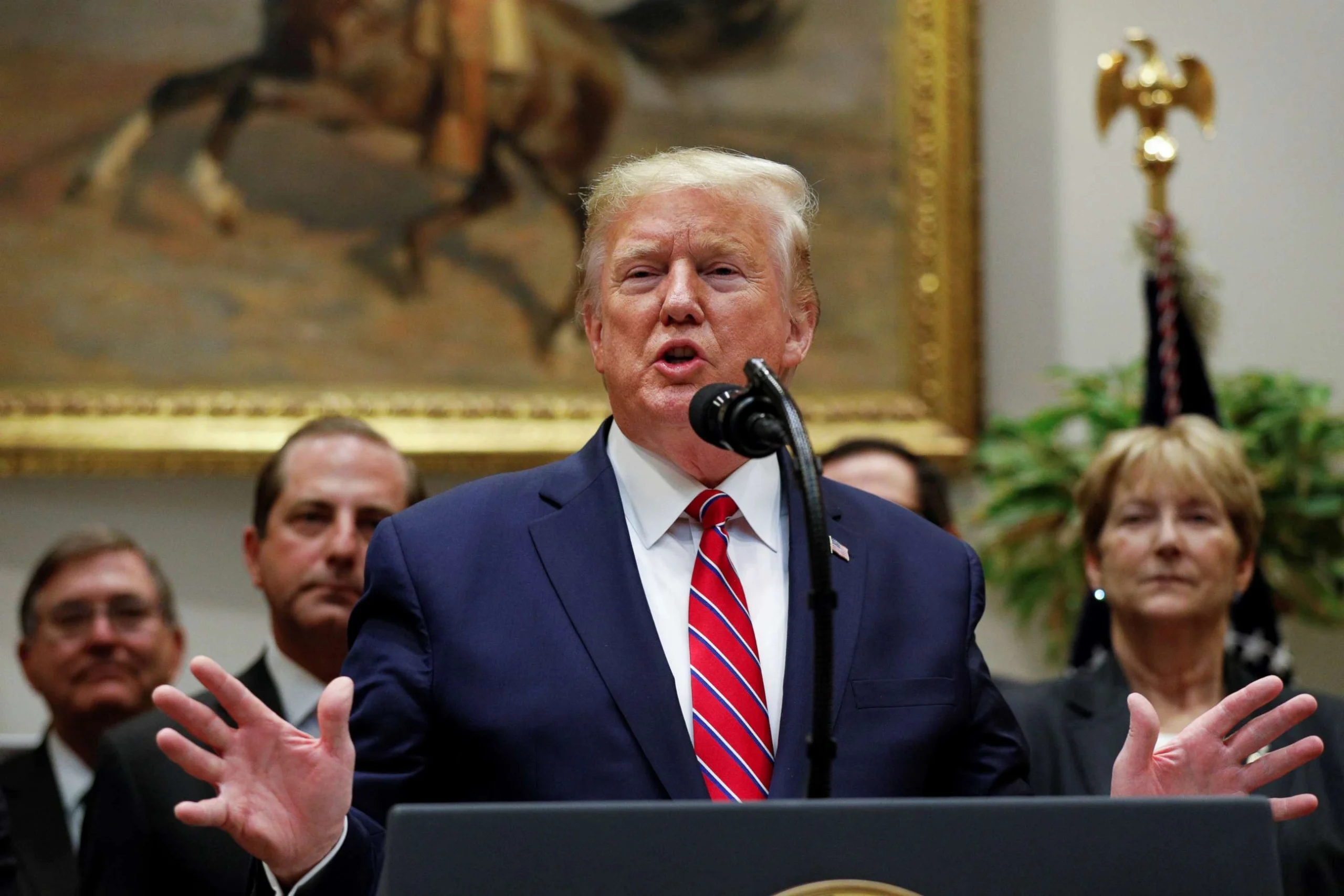
Speculation over Trump health rumors surged Saturday after Walter Reed National Military Medical Center was linked to an unconfirmed visit and the White House abruptly cleared his public schedule.
The sudden halt to public appearances by Donald Trump has renewed scrutiny of presidential health disclosures.
In March 2026, leadership continuity remains critical amid geopolitical instability and economic uncertainty, amplifying the global relevance of Trump health rumors.
Health concerns surrounding Trump have persisted since his first term. In October 2025, he confirmed undergoing an MRI, describing results as “perfect.”
Earlier that year, the White House disclosed a diagnosis of chronic venous insufficiency. Public attention intensified after visible bruising and physical fatigue during campaign and policy events.
Dr. Ezekiel Emanuel, vice provost for global initiatives at the University of Pennsylvania, said presidential health transparency “directly affects public trust and institutional stability.” He noted that limited disclosures often trigger disproportionate speculation.
Similarly, Dr. Ashish Jha, former White House COVID-19 response coordinator and dean of Brown University School of Public Health, emphasized that routine evaluations can be misinterpreted in high profile cases.
“Advanced imaging like MRI is common in preventive care for older adults,” Jha said, adding that communication gaps fuel Trump health rumors.
Politically, uncertainty surrounding Trump’s health intersects with ongoing U.S. policy debates, including tensions in the Middle East.
Economically, even brief uncertainty can influence market sentiment, particularly in defense and energy sectors sensitive to executive decision making.
Rear Adm. Dr. Sean Barbabella, the president’s physician, stated the visit was a “scheduled follow up evaluation.” Karoline Leavitt, White House press secretary, said there was “no cause for alarm.”
Dr. Lawrence Gostin, professor of global health law at Georgetown University, said public reassurance must be paired with “consistent, verifiable updates to maintain credibility.”
Over the next six to twelve months, the administration is likely to increase structured medical disclosures to counter recurring Trump health rumors.
Analysts at the Brookings Institution anticipate more frequent physician briefings as election cycles intensify.
The episode underscores the intersection of health transparency, political stability and global confidence in US leadership, reinforcing the strategic importance of credible communication during periods of uncertainty.
NOTE! This article was generated with the support of AI and compiled by professionals from multiple reliable sources, including official statements, press releases, and verified media coverage. For more information, please see our T&C.


