
SUMMARY
- Youth voters are driving opposition momentum, potentially reshaping Hungary’s political direction.
- Economic stagnation and governance concerns are weakening incumbent support.
- Election outcome could alter Hungary’s EU relations and foreign policy alignment.
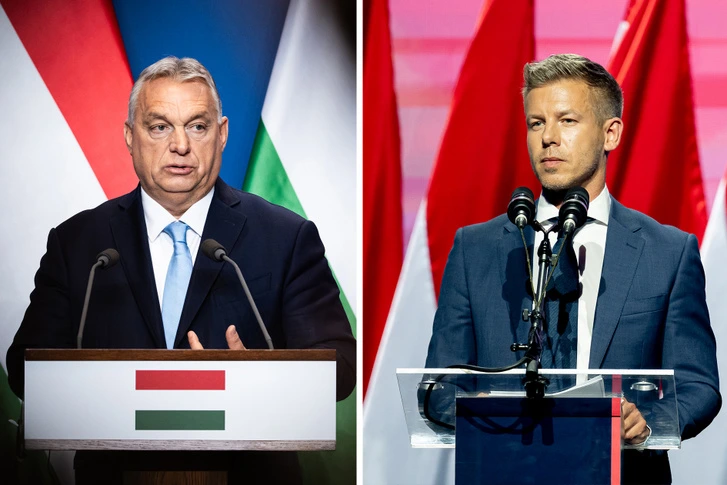
Hungary elections 2026 are shaping into a decisive generational contest as young voters rally behind challenger Péter Magyar, threatening Prime Minister Viktor Orbán’s long standing dominance ahead of the April twelve vote.
The Hungary elections 2026 have become a focal point for European policymakers as internal political shifts in Budapest carry broader implications for European Union cohesion.
With geopolitical tensions rising and EU unity under strain, Hungary’s electoral direction is drawing significant international attention.
Prime Minister Viktor Orbán has led Hungary since two thousand ten, reshaping institutions under his Fidesz government. His administration promoted nationalist policies while consolidating political authority.
Momentum shifted in early two thousand twenty four after a controversial presidential pardon involving a child abuse case triggered nationwide protests. The scandal led to resignations of senior officials and eroded public trust.
In the aftermath, Péter Magyar broke with Fidesz and established the Tisza Party, positioning it as a reform-driven alternative appealing to younger voters.
Andrea Szabó, senior researcher at Eötvös Loránd University, said the current shift reflects long term demographic transformation.
“A new political generation is emerging that challenges centralized governance,” she said.
Zoltán Pogátsa, political economist at the University of West Hungary, linked economic factors to political change.
“Slowing growth and restricted EU funding are directly influencing voter behavior, particularly among younger Hungarians,” he said.
According to 21 Research Center, sixty five percent of voters under thirty support Tisza, while only fourteen percent back Orbán. Among retirees, Fidesz leads fifty percent to nineteen percent.
This divide underscores structural tensions between generational expectations. Younger voters emphasize transparency, mobility, and EU integration, while older citizens prioritize welfare stability and policy continuity.
Florián Végh, a twenty five year old student volunteer, said younger voters seek systemic change. “We have only experienced one system and want to explore alternatives,” he said.
Levente Koltai, a student activist, criticized the ruling party’s evolution. “It has moved away from democratic values toward centralized control,” he said.
Zsuzsanna Prépos, a retiree attending a campaign rally, defended the government. “Social policies like pensions provide security and stability,” she said.
Over the next six to twelve months, Hungary elections 2026 will likely determine the country’s economic and diplomatic trajectory.
A Tisza-led government could improve access to EU funds and strengthen Western alignment.
If Orbán retains power, Hungary may continue its current path, balancing EU membership with closer ties to Russia and China.
Market responses, including currency stability and foreign investment flows, are expected to react quickly following the election outcome.
The Hungary elections 2026 highlight a broader European dynamic where generational change intersects with governance models.
The result will influence Hungary’s institutional direction and its role within the European political and economic framework.
NOTE! This article was generated with the support of AI and compiled by professionals from multiple reliable sources, including official statements, press releases, and verified media coverage. For more information, please see our T&C.


