
SUMMARY
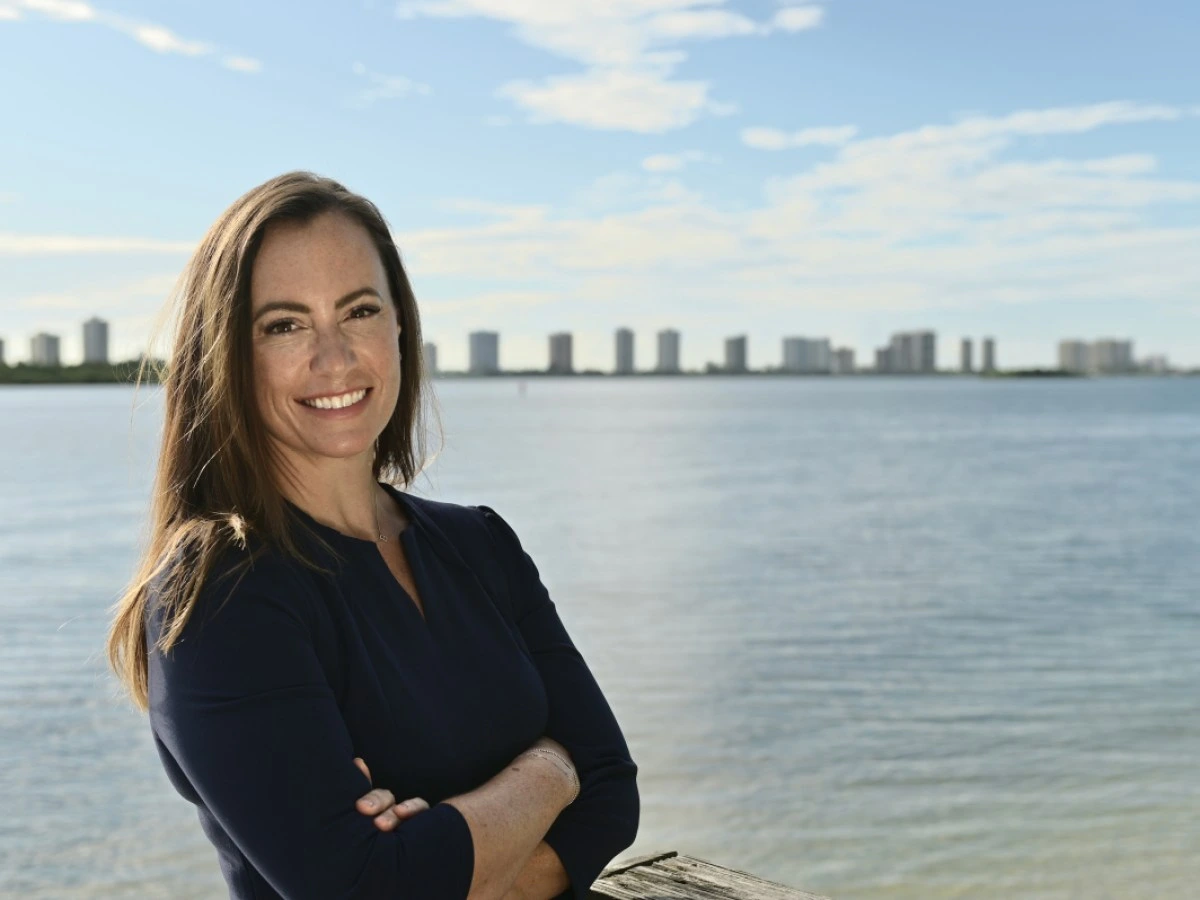
- Emily Gregory flipped Florida House District 87, a GOP-held seat tied to Donald Trump’s home base.
- The Florida House District 87 special election reflects evolving independent voter behavior.
- Republicans retain legislative supermajorities despite the upset result.
JUPITER, Florida — Democrat Emily Gregory won a closely contested special election for Florida House District 87 on March 24, defeating Republican John Maples by just over two percentage points in a district.
That includes former President Donald Trump’s Mar-a-Lago residence, signaling shifting voter dynamics in a traditionally Republican stronghold.
The Florida House District 87 special election has drawn national attention not only for its narrow margin but also for its symbolic geography.
The district, long considered safely Republican, became vacant after former Rep. Mike Caruso resigned following an appointment as clerk of courts by Gov. Ron DeSantis.
Gregory’s victory underscores emerging political undercurrents in Florida ahead of the November midterm elections.
Caruso had secured the seat by nearly twenty points in November 2024, while Trump carried the district by eleven points in the same cycle.
Maples, a former Lake Clarke Shores commissioner, entered the race with Trump’s endorsement, which he publicly reaffirmed days before the vote.
Historically, Republican candidates in Palm Beach County have relied on strong support from independent voters to maintain decisive margins.
However, recent elections across Florida have shown Democrats gaining traction in competitive and suburban districts.
Gregory, a small business owner from Jupiter, was backed by national Democratic groups aiming to recruit candidates with local business credentials and community ties.
Daniel Smith, professor of political science at the University of Florida, said the Florida House District 87 special election “suggests a softening of Republican dominance in suburban Florida, particularly among independents who are increasingly decisive in low turnout races.”
Similarly, Susan MacManus, professor emeritus at the University of South Florida, noted that “special elections often serve as early indicators of voter enthusiasm and issue salience, especially when economic concerns outweigh partisan loyalty.”
A Reuters/Ipsos survey released March 24 showed Trump’s approval rating at 36 percent, with 62 percent disapproving, adding broader national context to shifting voter sentiment.
Amanda Litman, co-founder of Run for Something, said in a statement that Gregory’s win reflects “voters demanding change and prioritizing leaders focused on local issues.”
Gregory said during election day interviews that cost of living concerns were central to her campaign, adding that national political figures “were not a factor” in her messaging. Republican response remained measured.
Sam Garrison, chair of the Florida House Republican Campaign Committee, said the party would “learn from today’s results” while emphasizing victories in two other House races and maintaining a voter registration advantage of nearly 1.5 million statewide.
The Florida House District 87 special election outcome may influence campaign strategies ahead of November, particularly in districts with significant independent voter blocs.
Both parties are expected to intensify outreach efforts, focusing on economic messaging and voter turnout operations.
While Democrats celebrate a symbolic gain, the broader balance of power in Florida remains unchanged.
The Florida House District 87 special election highlights evolving voter behavior without altering the Republican Party’s legislative control, setting the stage for a closely watched midterm cycle.
NOTE! This article was generated with the support of AI and compiled by professionals from multiple reliable sources, including official statements, press releases, and verified media coverage. For more information, please see our T&C.


