
SUMMARY
- Bahrain said Iran struck a desalination plant, raising concerns about attacks on civilian infrastructure in the Middle East conflict.
- Iranian President Masoud Pezeshkian vowed stronger retaliation against US and Israeli targets across the region.
- The expanding war has disrupted energy markets, displaced hundreds of thousands and heightened risks to water and oil infrastructure.
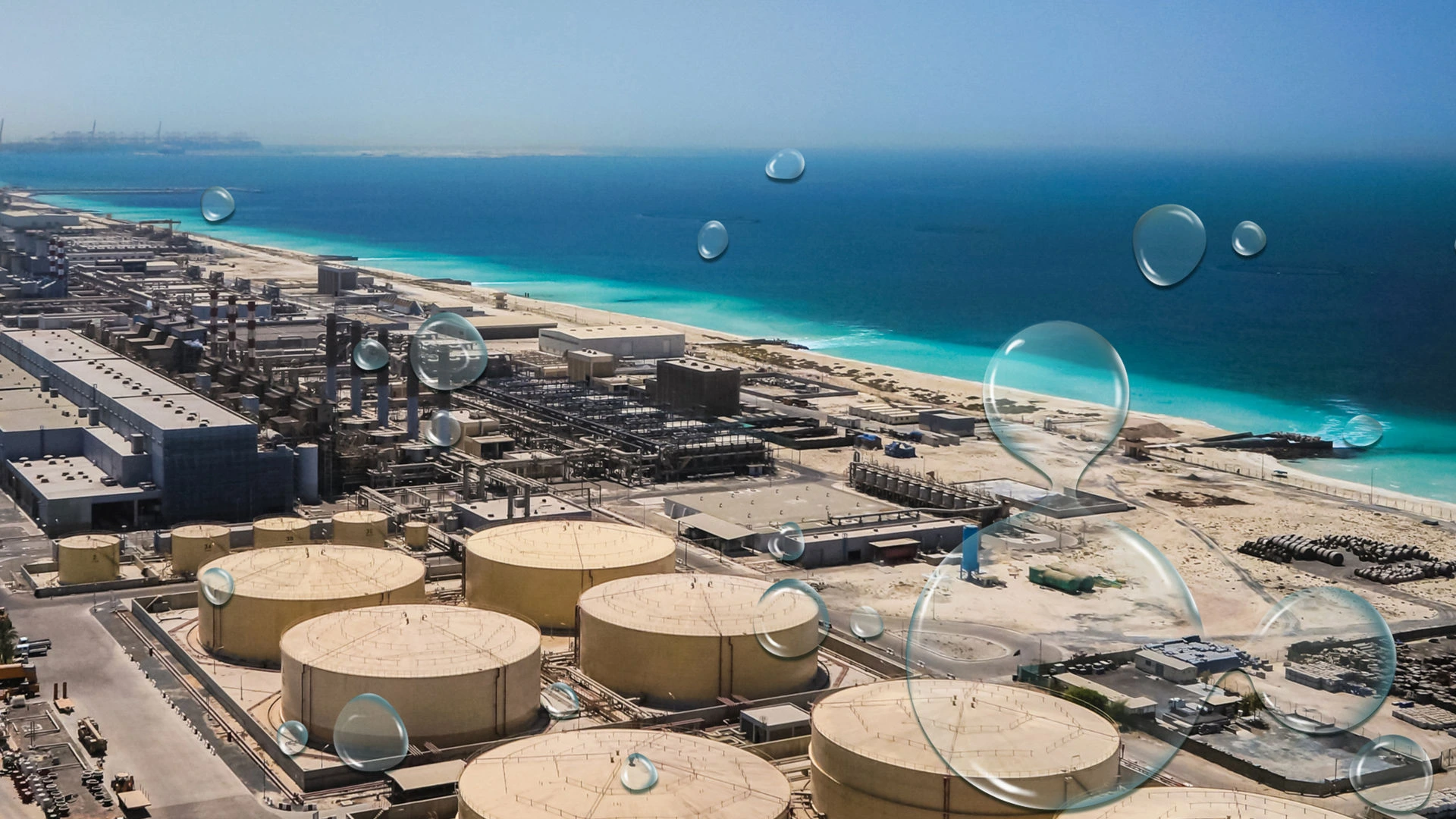
DUBAI, United Arab Emirates — Bahrain said Sunday that an Iranian missile strike damaged a desalination plant, intensifying fears that civilian infrastructure across the Middle East could become targets as the war between Iran, Israel and the United States expands into its second week.
The reported strike on the Bahraini desalination plant marks a significant escalation in a conflict already spreading across multiple countries.
Gulf states rely heavily on desalination plants for drinking water, meaning damage to such facilities could affect millions of residents in some of the world’s driest regions.
The attack comes as Israeli airstrikes hit oil facilities in Iran and fighting intensified in Lebanon between Israeli forces and the Iran backed militant group Hezbollah.
The current war began Feb. 28 when Israel and the United States launched coordinated airstrikes on Iranian military and strategic targets.
Since then, the conflict has expanded across the Middle East, drawing in regional actors and increasing pressure on global energy routes.
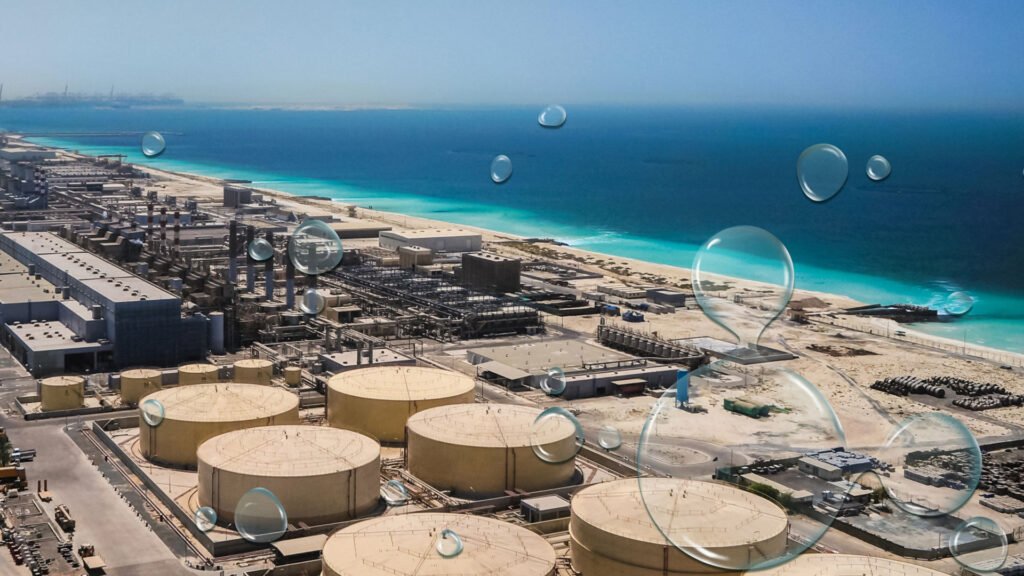
Bahrain, which hosts the US Navy’s Fifth Fleet, said Iranian missiles and drones have targeted several civilian locations, including ports, hotels and residential towers. Officials said the desalination plant strike did not interrupt water supplies.
Iran, meanwhile, said a US strike damaged a desalination plant on Qeshm Island in the Strait of Hormuz, cutting water access for dozens of villages.
Israeli strikes overnight Sunday also ignited fires at oil storage facilities in Tehran, sending thick smoke over parts of the capital.
Energy security analysts warn that attacks on desalination plants and oil infrastructure could widen the conflict’s economic consequences.
“This is a dangerous shift toward targeting infrastructure essential to civilian survival,” said Firas Maksad, managing director for the Middle East at the Eurasia Group geopolitical risk consultancy. “Water facilities in the Gulf are as strategically important as energy facilities.”
Jon Alterman, senior vice president at the Center for Strategic and International Studies in Washington, said the spread of attacks across several countries raises the risk of regional escalation.
“When desalination plants and energy terminals are hit, it signals that the conflict is moving beyond purely military objectives,” Alterman said. “That increases pressure on governments across the Gulf to respond.”
Iranian President Masoud Pezeshkian said Tehran would intensify retaliation if attacks continue.
“When we are attacked, we have no choice but to respond,” Pezeshkian said in televised remarks. “Our country will not bow in the face of aggression.”
Bahrain’s government accused Iran of indiscriminately targeting civilian infrastructure, including the desalination plant.
Iran’s Foreign Minister Abbas Araghchi said earlier US strikes on Iran’s desalination plant set a precedent for such attacks. “The United States set this precedent, not Iran,” Araghchi said.
Regional governments are increasing air defenses and security around critical infrastructure, particularly desalination plants and oil terminals along the Strait of Hormuz.
Energy analysts say continued strikes on these facilities could disrupt global oil shipments and water supplies across Gulf states that depend heavily on desalination.
The reported strike on Bahrain’s desalination plant underscores how the expanding Middle East war is increasingly threatening civilian infrastructure.
With airstrikes, missile attacks and regional fighting continuing, governments across the region face mounting pressure to protect essential water and energy systems.
NOTE! This article was generated with the support of AI and compiled by professionals from multiple reliable sources, including official statements, press releases, and verified media coverage. For more information, please see our T&C.


