
SUMMARY
- The original Pokémon Red and Green starters remain central to franchise identity 30 years later.
- Player attachment to Bulbasaur, Charmander or Squirtle influences long term brand loyalty.
- The focus keyword Pokémon Red and Green continues to drive anniversary sales and digital engagement.
TOKYO, Feb. 27, 2026 — Three decades after the release of Pokémon Red and Green, the original starter Pokémon Bulbasaur, Charmander and Squirtle continue to influence how players engage with the franchise, according to scholars, industry analysts and long time fans reflecting on the cultural impact of the landmark video games.
First launched in Japan in 1996 by developer Game Freak and publisher Nintendo, Pokémon Red and Green introduced players to a foundational choice: selecting one of three creatures at the start of their journey through the Kanto region.
That early decision, researchers say, has become one of the most enduring identity markers in gaming culture.
The 30th anniversary of Pokémon Red and Green has prompted renewed analysis of how a simple gameplay mechanic choosing a starter Pokémon helped transform the franchise into a global cultural force.
The games laid the groundwork for what is now one of the highest grossing entertainment properties worldwide, spanning trading cards, television, films and mobile apps.
Released on Nintendo’s Game Boy in February 1996 in Japan, Pokémon Red and Green asked players to select Bulbasaur, Charmander or Squirtle before embarking on a quest to collect gym badges and complete the Pokédex.
International versions, including Pokémon Red and Blue, followed in 1998. The mechanic established asymmetrical difficulty paths.
Bulbasaur’s Grass typing offered advantages against early gym leaders Brock and Misty. Charmander’s Fire typing made early battles more challenging but rewarded players with the powerful Charizard evolution.
Squirtle’s Water typing provided defensive balance and late game utility. Junichi Masuda, composer and former director at Game Freak, said in a 2024 company retrospective that the design team wanted the first choice to feel “personal and meaningful,” reflecting player temperament rather than pure strategy.
Keza MacDonald, games editor at The Guardian, said starter selection became “a shorthand for personality in playground debates and online communities.”
“It is rare that a mechanical choice becomes a lifelong badge of identity,” MacDonald said. “Pokémon Red and Green managed to do that with three sprites and limited memory.”
Dr. Mia Consalvo, Canada Research Chair in Game Studies and Design at Concordia University, said the psychological imprint begins with perceived difficulty curves.
“Players who chose Charmander often describe perseverance narratives, while Bulbasaur players emphasize planning and efficiency,” Consalvo said. “These archetypes reinforce community belonging over time.”
Industry data suggests the attachment has commercial implications. According to The Pokémon Company’s 2025 annual report, anniversary merchandise featuring first generation starters accounted for a significant share of legacy product sales.
Ken Sugimori, original character designer at Game Freak, said the trio was deliberately balanced to avoid a “correct” answer.
“We wanted children to argue about preference, not power,” Sugimori said during a Tokyo anniversary panel.
Sarah Johnson, a 34 year old software engineer in London who began playing in 1999, said her choice still shapes her fandom.
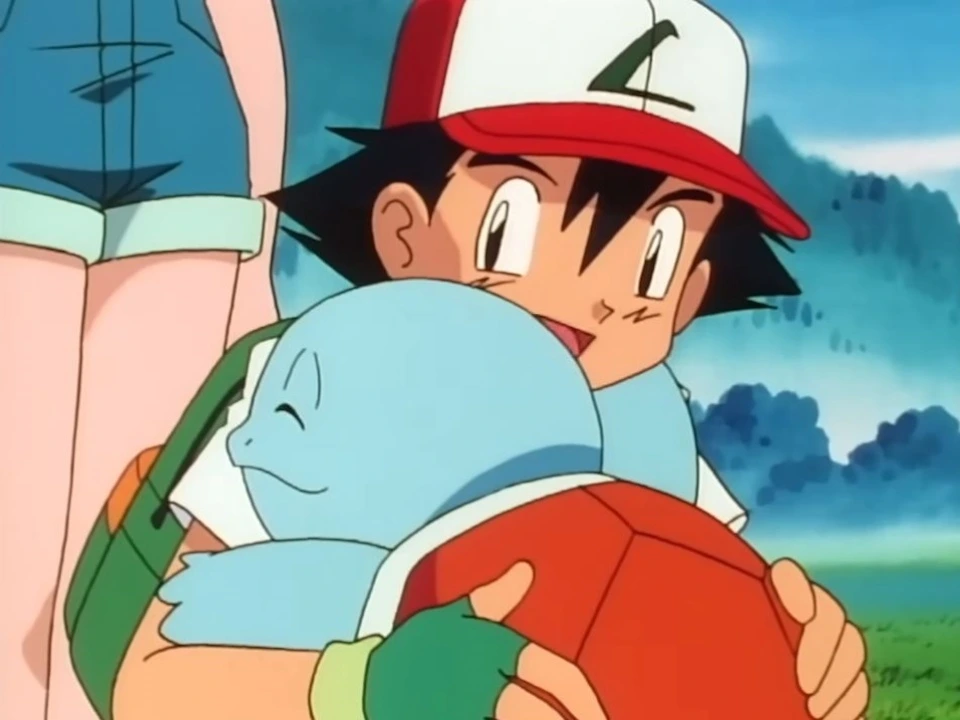
“I picked Squirtle because it looked resilient. Even now, I gravitate toward defensive strategies in games,” she said.
Hiroshi Yamamoto, retail analyst at Tokyo based Ace Research Institute, said nostalgia marketing tied to Pokémon Red and Green “creates repeat purchasing behavior across generations.”
As the franchise introduces new regions and mechanics, including open world formats seen in recent titles, analysts say first generation starters remain a strategic anchor.
The Pokémon Company has continued reissuing Kanto themed expansions in its trading card line and limited digital events centered on Bulbasaur, Charmander and Squirtle.
Consalvo said the original trio’s staying power demonstrates how early design decisions can define a brand for decades. “It shows that emotional architecture matters as much as technological innovation,” she said.
Thirty years after Pokémon Red and Green debuted, the choice between Bulbasaur, Charmander and Squirtle remains more than a gameplay preference.
It stands as an early example of interactive storytelling shaping identity, community and long term commercial success in the global video game industry.
NOTE! This article was generated with the support of AI and compiled by professionals from multiple reliable sources, including official statements, press releases, and verified media coverage. For more information, please see our T&C.


