
SUMMARY
- The State of the Union 2026 comes amid falling poll numbers and looming midterm elections.
- Newsrooms are deploying large, specialized teams for live reporting and fact checking.
- Unscripted exchanges and political theatrics have become central to modern addresses.
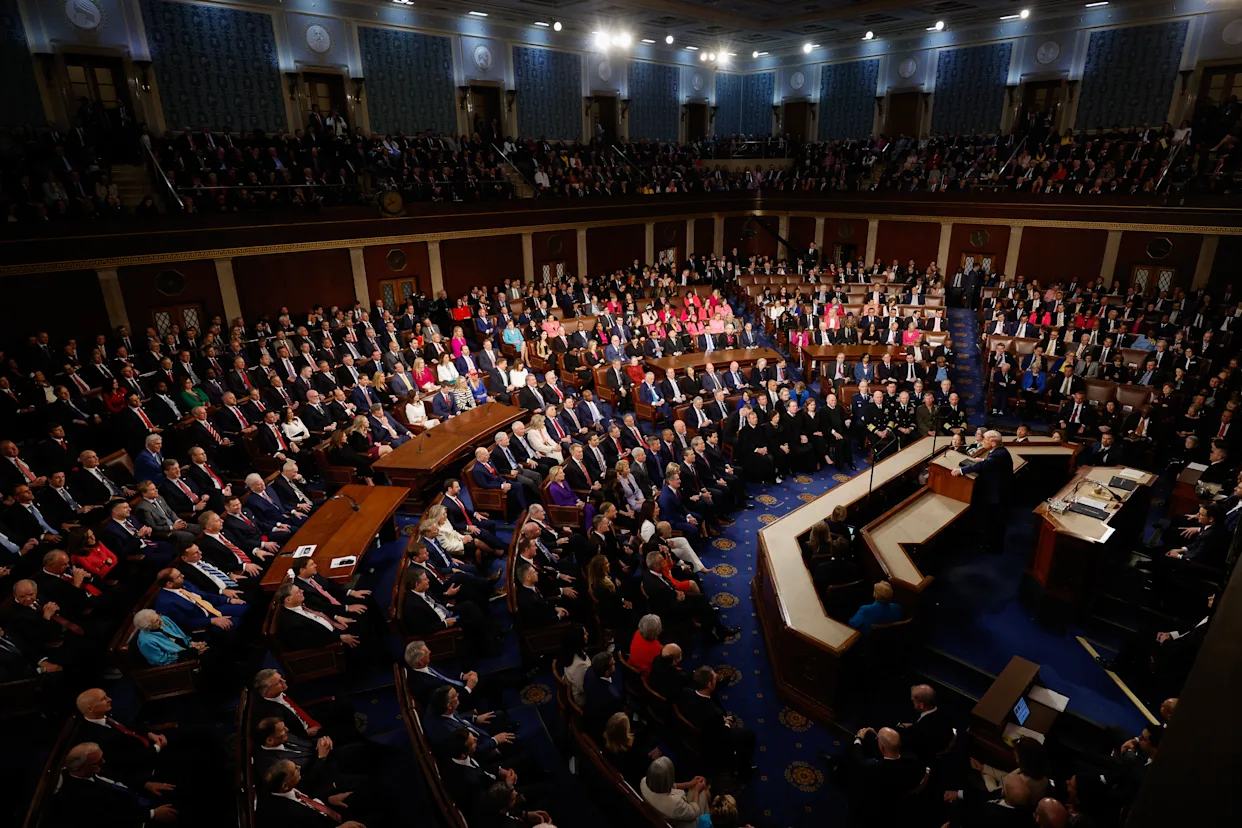
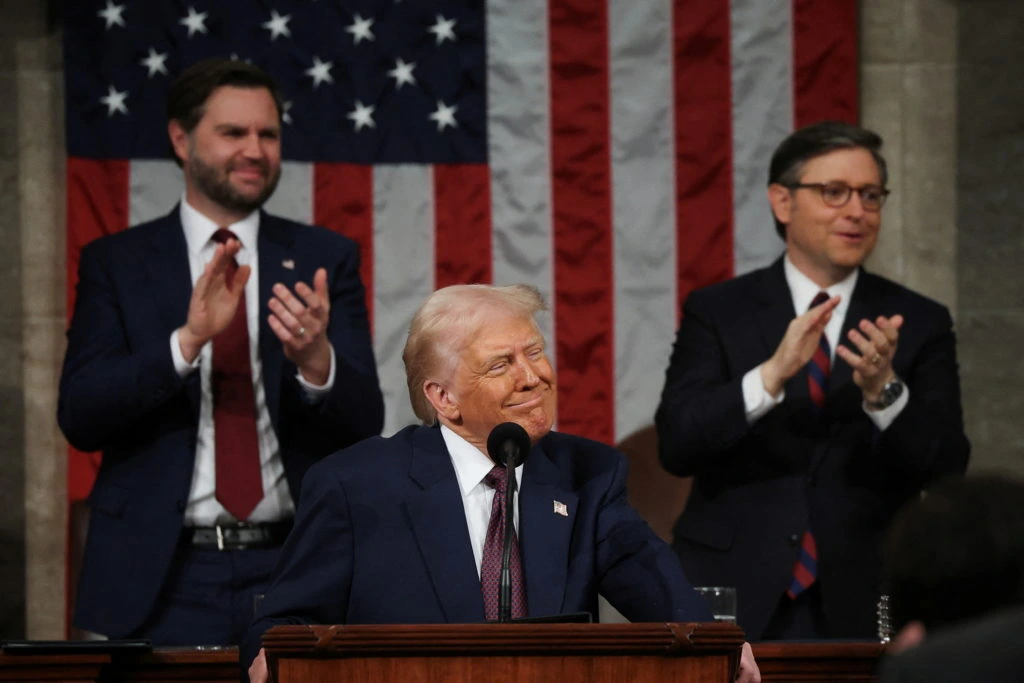
WASHINGTON — As President Donald Trump prepares to deliver his 2026 State of the Union address before a joint session of Congress on Tuesday night, news organizations are mobilizing extensive teams to cover what has increasingly become both a policy speech and a political spectacle.
Editors and reporters say preparation for the annual address requires planning for scripted policy proposals as well as unpredictable moments that can reshape the narrative in real time.
The State of the Union is constitutionally mandated and traditionally outlines the president’s legislative priorities.
This year’s address arrives at a politically sensitive moment for Trump, with midterm elections approaching and debate intensifying over tariffs, inflation and foreign policy.
Editors say the combination of policy stakes and political tension raises the likelihood of unscripted developments inside the House chamber.
Elizabeth Kennedy, White House editor at The New York Times, said preparations begin weeks in advance. “You have to be fast and accurate and capture the big themes in real time,” she said.
Kennedy previously served as a deputy bureau chief for The Associated Press and as a foreign correspondent in Africa, the Middle East and Asia.
Recent addresses underscore how the State of the Union has evolved into a high drama event. In 2024, President Joe Biden declared he was ready for a second term before later withdrawing from the race.
In 2020, then Speaker Nancy Pelosi tore up a copy of Trump’s speech after he concluded. In 2010, Justice Samuel A. Alito Jr. appeared to mouth “not true” during President Barack Obama’s remarks about a Supreme Court ruling.
Those moments reflect broader shifts in political communication. Jeffrey Engel, director of the Center for Presidential History at Southern Methodist University, said televised addresses now function as “a hybrid of governing document and campaign rally.”
He said partisan reactions in the chamber often signal broader electoral dynamics. This year, economic policy is expected to dominate.
Trump has faced criticism following a recent Supreme Court ruling on tariffs, and lawmakers from both parties are watching closely for signals about trade and inflation strategy.
William Galston, senior fellow at the Brookings Institution, said presidents use the address to “reset the narrative” when facing political headwinds.
“When approval ratings decline ahead of midterms, the State of the Union becomes an opportunity to frame contrasts and consolidate core supporters,” Galston said.
Live fact checking has become standard. Media outlets assemble beat reporters with expertise in economics, foreign affairs and health care to verify claims within minutes.
Kennedy said accuracy is critical because initial headlines often shape public perception.
Richard W. Stevenson, Washington bureau chief at The New York Times, said collaborative newsroom structures allow rapid editorial decisions.
“We are all talking about what we’re seeing and making decisions in real time,” he said.
Darrell West, senior fellow at the Brookings Institution, said public reaction increasingly depends on viral clips rather than full speeches.
“Moments of confrontation or surprise frequently travel farther on social media than detailed policy explanations,” West said.
On Capitol Hill, Rep. Maria Elvira Salazar, R-Fla., said she expects “clear answers on trade and border policy,” while Sen. Chris Coons, D-Del., said lawmakers will be listening for “specific economic solutions rather than broad themes.”
Lawmakers from both parties are expected to respond immediately following the address, setting the tone for legislative negotiations ahead of the midterms.
Analysts say the effectiveness of the State of the Union 2026 will likely be measured not only by applause lines inside the chamber but by how policy proposals translate into congressional action.
As Trump delivers the State of the Union 2026, journalists, lawmakers and voters alike are preparing for a night that blends constitutional tradition with modern political theater.
With economic pressures mounting and electoral stakes rising, the address stands as a defining moment in the administration’s effort to shape its agenda and its message to the nation and the world.
NOTE! This article was generated with the support of AI and compiled by professionals from multiple reliable sources, including official statements, press releases, and verified media coverage. For more information, please see our T&C.


