

KEY POINTS
- The Nipah virus outbreak in India has led to airport screenings in Thailand and Nepal.
- Five healthcare workers were infected in West Bengal, with more than one hundred contacts quarantined.
- The virus has a high fatality rate and no approved vaccine or treatment.
A Nipah virus outbreak in India’s West Bengal state has prompted heightened health screenings across parts of Asia, with Thailand and Nepal tightening airport and border checks this month after several healthcare workers were infected, raising regional concerns about cross border spread.
The latest Nipah virus outbreak in India has placed public health systems across South and Southeast Asia on alert.
While no cases have been detected outside India, authorities say early screening and surveillance are critical because of the virus’s history of rapid transmission and high mortality.
Health officials in West Bengal confirmed at least five Nipah virus cases linked to a private hospital in Barasat earlier this month.
According to the West Bengal Health and Family Welfare Department, two infected nurses remain in intensive care, with one listed in critical condition.
Authorities quarantined about one hundred ten people who had close contact with the patients.
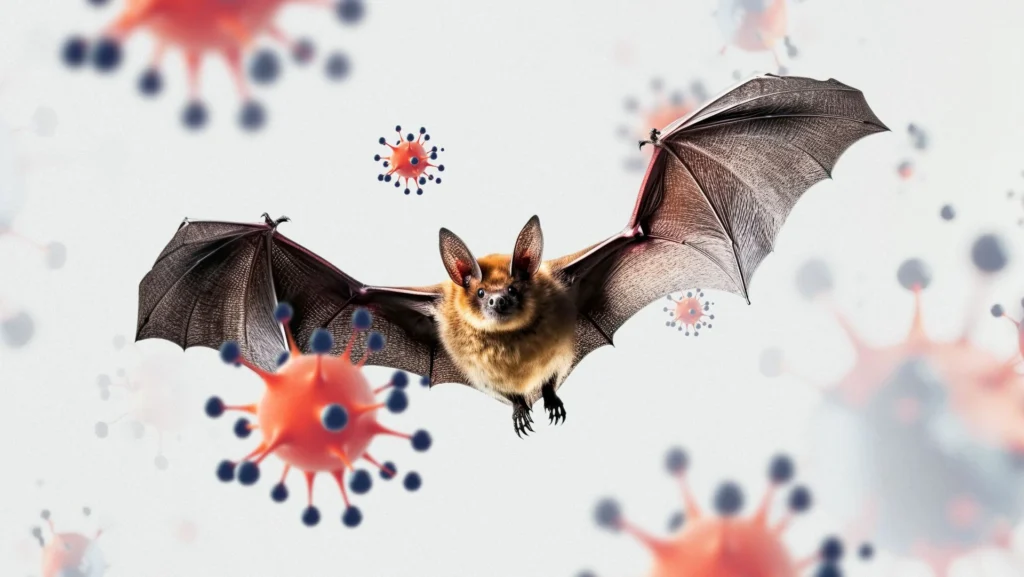
Nipah is a zoonotic virus transmitted from animals such as fruit bats and pigs to humans and can also spread through contaminated food or direct human contact.
The World Health Organization lists Nipah among its priority pathogens due to its epidemic potential and fatality rate of forty percent to seventy five percent.
India has faced previous outbreaks in West Bengal and Kerala, while Bangladesh has reported recurring seasonal cases since two thousand one.
Dr. Soumya Swaminathan, former chief scientist at the World Health Organization, said Nipah outbreaks require rapid containment because hospital based transmission can amplify spread if infection control lapses occur.
She noted that early isolation and contact tracing remain the most effective tools.
Thailand’s Department for Disease Control began screening passengers arriving from West Bengal at three international airports in Bangkok and Phuket.
Spokeswoman Jurai Wongswasdi said the measures include health declarations and temperature checks to reduce importation risk.
Nepal’s Ministry of Health and Population also expanded screenings at Kathmandu airport and land border crossings with India, according to Dr. Bikash Devkota, spokesperson for the ministry.
| Indicator | Current Situation | Historical Reference |
|---|---|---|
| Confirmed cases | Five in West Bengal | Nineteen in Kerala, 2018 |
| Fatality rate | 40% to 75% | Similar range in Bangladesh outbreaks |
| Incubation period | 4 to 14 days | Consistent across past outbreaks |
Dr. Rajeev Jayadevan, president of the Indian Medical Association’s Cochin chapter, said healthcare settings remain the highest risk areas during Nipah outbreaks and require strict protective protocols.
A senior West Bengal health official said surveillance teams are monitoring hospitals and communities daily.
Regional health agencies are coordinating with the World Health Organization to share surveillance data and laboratory findings.
Taiwan’s Centers for Disease Control has proposed classifying Nipah as a Category Five disease, reflecting its emerging risk status.
The Nipah virus outbreak in India underscores the ongoing threat posed by zoonotic diseases in a highly connected region.
While current cases remain limited, coordinated surveillance, transparent reporting and hospital preparedness are central to preventing wider regional impact.
FAQs: Nipah Virus Outbreak in India
Q1. What is the Nipah virus outbreak in India?
The Nipah virus outbreak in India refers to recent confirmed infections in West Bengal, where healthcare workers were exposed, prompting regional health alerts and airport screenings in parts of Asia.
Q2. How dangerous is the Nipah virus?
The Nipah virus is highly dangerous, with a fatality rate ranging from forty percent to seventy five percent, and there is currently no approved vaccine or specific treatment.
Q3. Can Nipah virus spread from person to person?
Yes, the Nipah virus can spread through close human contact, especially in healthcare settings, and through contaminated food or bodily fluids.
Q4. Why are Asian countries screening passengers after the Nipah virus outbreak in India?
Countries such as Thailand and Nepal started airport screenings to prevent cross border transmission after the Nipah virus outbreak in India raised regional public health concerns.
Author’s Perspective
In my analysis, the Nipah virus outbreak in India highlights how fragile regional health security remains amid rising zoonotic spillover risks driven by climate change and urban density.
I predict Asia will adopt mandatory cross border pathogen surveillance protocols tied to aviation and trade. For ordinary travelers and small businesses, this means stricter health compliance.
NOTE! This report was compiled from multiple reliable sources, including official statements, press releases, and verified media coverage.


