
KEY POINTS
- White House links Democratic leaders’ statements to the environment preceding Pretti’s fatal shooting.
- Pretti allegedly intended to attack federal immigration agents in Minneapolis.
- Federal and state officials have differing tones on law enforcement and immigration coordination.
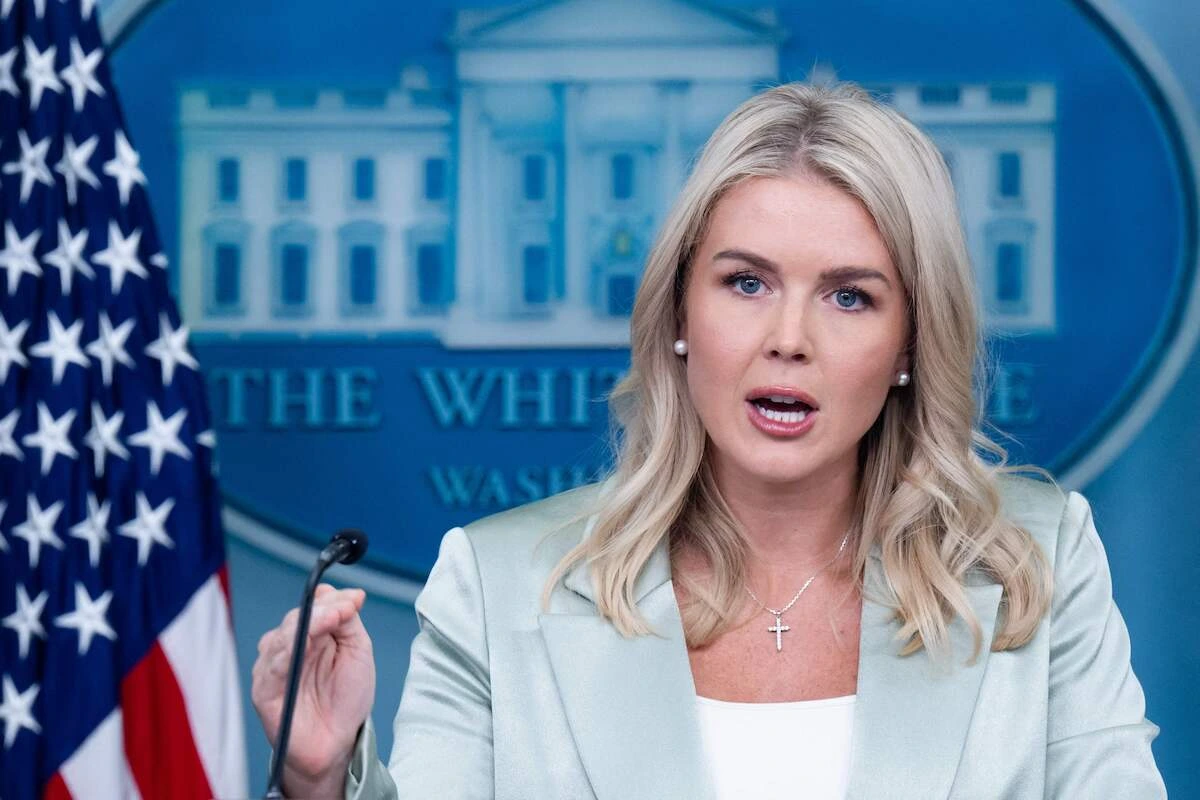
MINNEAPOLIS — White House Press Secretary Karoline Leavitt criticized Minnesota Governor Tim Walz and Minneapolis Mayor Jacob Frey for encouraging what she called “hysteria” against ICE and Border Patrol agents, linking their statements to the fatal shooting of Alex Pretti on Saturday.
Leavitt’s remarks came during a press briefing Monday, following President Donald Trump’s public praise for a “very good call” with Walz about federal state cooperation.
Leavitt said the Democratic leaders’ rhetoric contributed to a hostile environment that endangered law enforcement officers.
“This tragedy occurred as result of a deliberate and hostile resistance by Democrat leaders in Minnesota,” she said, accusing Walz and Frey of spreading misinformation about federal immigration officers.
Leavitt also criticized former President Joe Biden, alleging that his immigration policies led to increased illegal crossings that burdened enforcement agencies.
Pretti, according to Border Patrol Chief Greg Bovino, intended to “massacre” federal agents using a 9mm handgun. DHS Secretary Kristi Noem similarly stated that Pretti planned to “kill” officers.
Some immigration agents, however, expressed unease with the public characterization of the shooting. Fox News correspondent Bill Melugin reported Sunday that agents were “increasingly uneasy” and “frustrated” by statements from Bovino and Noem.
Tensions over immigration enforcement have escalated in Minnesota following the January death of Renee Good and ongoing disputes between state authorities and federal agencies.
Walz and Frey have restricted state and local police from assisting ICE in apprehending certain immigrants, citing policy disagreements. Leavitt characterized this as encouraging protests that could turn violent.
Amy Liu, senior fellow at the Migration Policy Institute, noted, “Public rhetoric framing federal enforcement as hostile can inflame local tensions, though causality in specific incidents is difficult to prove.”
Political analyst David Axelrod said, “Leaders’ words influence perceptions, but law enforcement safety depends on operational coordination and community trust.”
- Shooting occurred in Minneapolis on Saturday, January 24.
- Alex Pretti allegedly armed with 9mm firearm targeting federal agents.
- Minnesota leaders have limited cooperation with ICE under state policy.
- White House claims Democratic rhetoric contributed to law enforcement risk.
Authorities are reviewing coordination protocols between federal and local agencies. Legal investigations into Pretti’s actions are ongoing.
Statements from political leaders may continue shaping public perception of immigration enforcement risks.
FAQs
Q: Who was Alex Pretti and what happened in Minneapolis?
A: Alex Pretti was shot and killed in Minneapolis on January 24 after allegedly attempting to attack federal immigration agents.
Q: Why did the White House blame Minnesota leaders for the shooting?
A: Press Secretary Karoline Leavitt said Governor Tim Walz and Mayor Jacob Frey encouraged hostility toward ICE and Border Patrol agents, creating a dangerous environment.
Q: What role did federal and state agencies play in the incident?
A: Federal agents were carrying out enforcement duties, while Minnesota authorities limited local cooperation with ICE under state policies.
Q: How are officials responding to the shooting?
A: Investigations are ongoing, and authorities are reviewing coordination between federal and local law enforcement agencies.
Author’s perspective
In my analysis, the Pretti shooting highlights the growing operational tension between federal and state enforcement policies, underscoring how political rhetoric can escalate security risks.
I predict that federal guidelines will tighten coordination protocols with states to mitigate officer targeted violence. For citizens, this may reshape public safety perceptions in urban areas.
NOTE! This report was compiled from multiple reliable sources, including official statements, press releases, and verified media coverage.


