

KEY POINTS
- Usha Vance pregnant announcement represents a first in modern vice presidential history.
- The Vance family already includes three children, Ewan, Vivek and Mirabel.
- The last pregnancy by a top US executive branch spouse was by Jacqueline Kennedy in 1963.
WASHINGTON — Usha Vance pregnant with her fourth child, the White House announced Tuesday, Jan. 20, marking the first time a sitting second lady of the United States has publicly confirmed a pregnancy.
The announcement said the vice president’s wife and the baby “are doing well” and that the family looks forward to welcoming a son in July.
Usha Vance pregnant and expecting her fourth child adds a rare dimension to the social profile of the second family.
The announcement from the Office of the Vice President comes amid sustained public attention on the personal lives of national leaders and raises questions about visibility, privacy and the evolving roles of executive spouses.
Usha Vance and Vice President JD Vance have three children eight year old Ewan, five year old Vivek and three year old Mirabel.
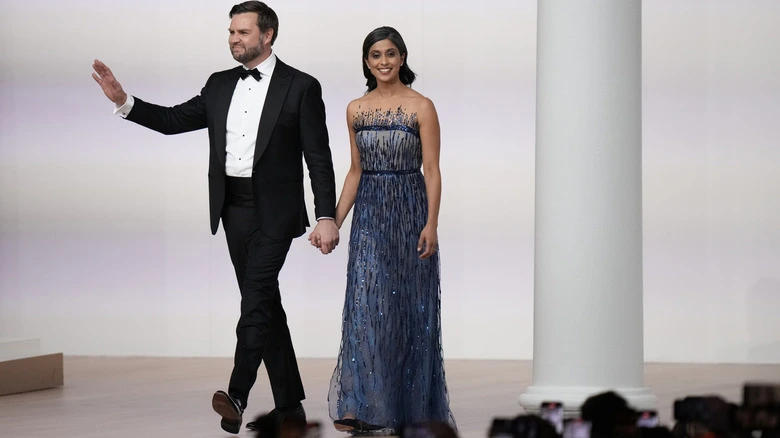
The family has kept their children largely out of public events and away from routine media coverage.
A sitting second lady has not previously announced a pregnancy, according to archival records of vice presidential families.
The last high profile pregnancy among US executive spouses was that of Jacqueline Kennedy in early 1963, who gave birth to Patrick Bouvier Kennedy in August of that year, the child died two days later.
The only birth in the White House occurred in 1893 when first lady Frances Cleveland delivered Esther Cleveland.
Political sociologist Maria Delgado said the announcement underscores shifting public expectations for transparency about leaders’ families.
“Usha Vance pregnant and sharing this news opens questions about work life, maternity care and support for families in high office,” Delgado said.
Historian Robert Lang noted such events are rare and carry symbolic weight domestically and internationally.

Dr. Elaine Winters, a maternal health expert, said public disclosures about pregnancies among leaders’ families can prompt broader discussions about prenatal care access.
“Visibility can promote policy engagement,” Winters said. Officials say updates will be limited to health status and expected timelines, with privacy prioritized for the family.
Usha Vance pregnant news resonates beyond personal milestone, reflecting on the role of executive branch families in public life and societal norms surrounding leadership and parenthood.
Author’s Perspective
In my analysis, Usha Vance’s pregnancy is not just a personal milestone but a cultural signal of how public leadership is becoming more visibly intertwined with modern family life and workplace norms.
I predict this will accelerate formal maternity and caregiver protocols for executive spouses, setting new transparency standards.
For everyday families, it normalizes balancing public careers with parenthood. Watch for federal policy language shifts on family visibility and caregiving roles.
NOTE! This report was compiled from multiple reliable sources, including official statements, press releases, and verified media coverage.


