
KEY POINTS
- SMS services resumed nationwide after eight days of near total internet shutdown.
- Authorities plan a phased restoration national internet, domestic apps, then international connectivity.
- Internet disruption compounded economic pressures that initially fueled protests.
TEHRAN, Iran — Iranian authorities restored nationwide SMS services Saturday as part of a phased rollback of an eight day internet blackout.
Following deadly antigovernment protests that erupted over rising prices and economic hardship in late December.
Officials said other internet and communication restrictions would be eased gradually.
The restoration of SMS marks the first sign of easing after nearly two weeks of almost complete digital isolation in Iran.
The blackout disrupted daily life, business operations, and public communications, leaving millions of Iranians largely offline while authorities sought to quell unrest that began on December 28 in multiple cities.
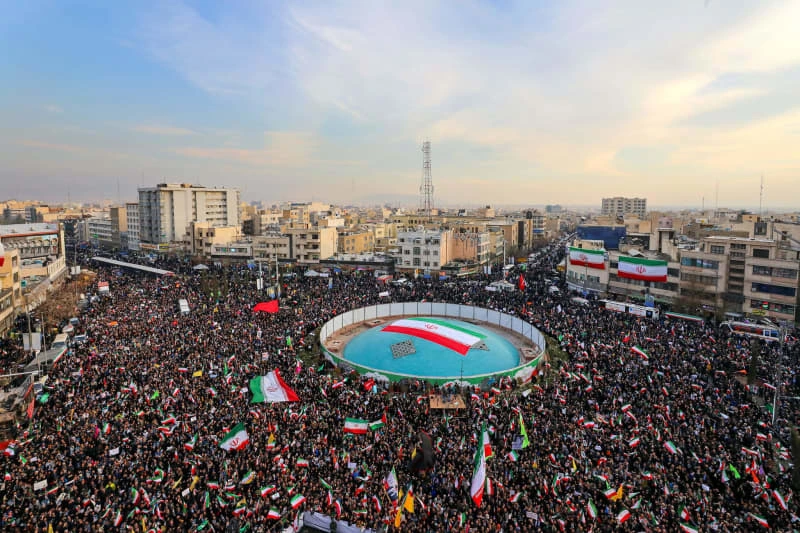
Protests in Iran initially focused on inflation and the cost of living but escalated into broader antigovernment demonstrations.
Authorities arrested thousands of participants, while reports indicate hundreds of casualties among both civilians and security personnel.
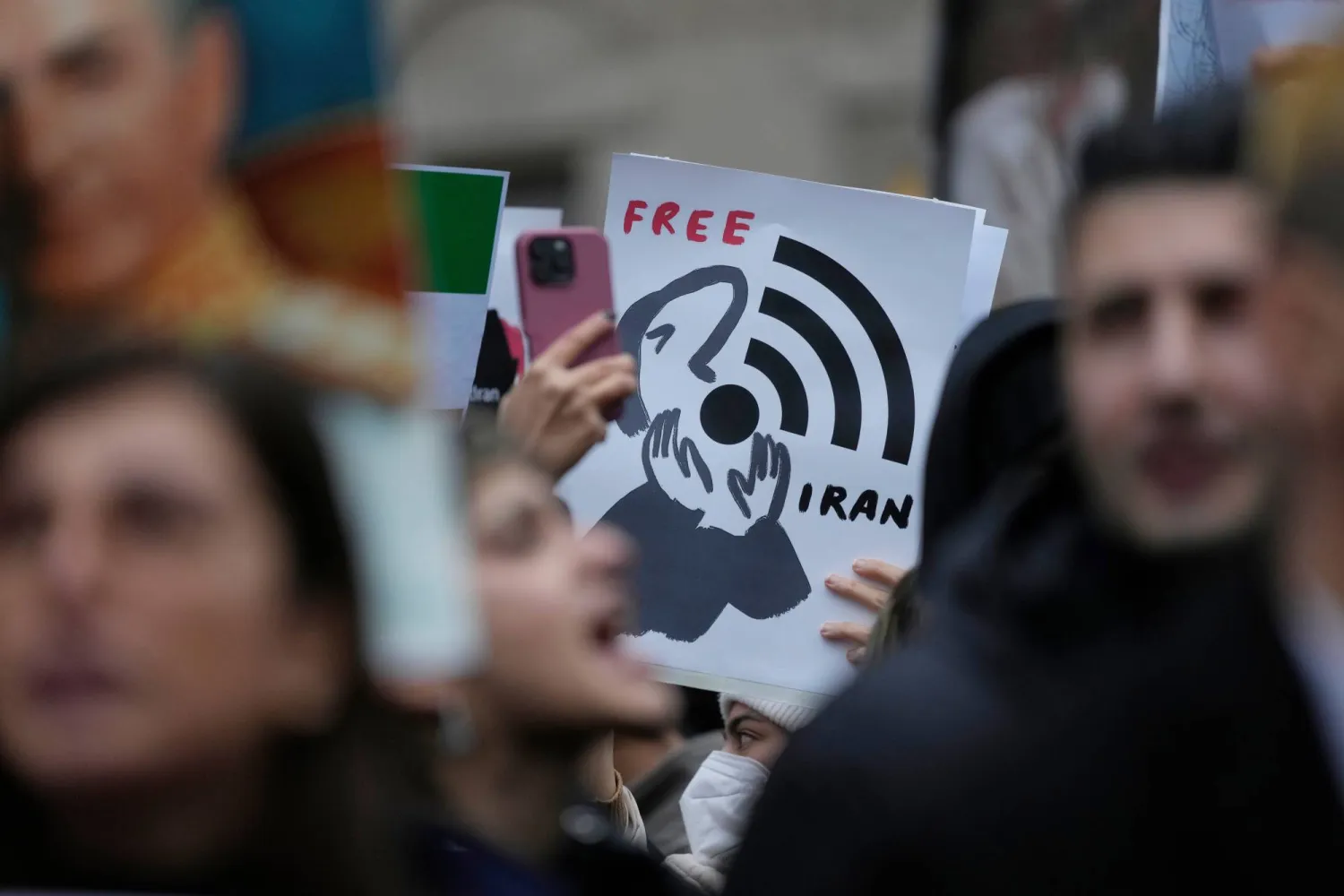
The internet shutdown was implemented to restrict the coordination of protests and limit the flow of information to international audiences.
Officials described the blackout as targeting “terror organisations” allegedly responsible for violent incidents during demonstrations.
Domestic messaging platforms such as Eita and Bale resumed service alongside SMS, while full international connectivity remains suspended.
Experts warn that prolonged communication blackouts deepen economic instability and social tension.
“Extended internet shutdowns affect supply chains, e-commerce, and foreign investment,” said Farideh Farzan, a Tehran based economist.
“Restoring even limited connectivity is a critical step toward normalizing economic activity, but the phased approach signals caution by authorities amid ongoing unrest.”
Political analysts note that Iran’s leadership is balancing domestic control with international scrutiny.
“The government aims to show restraint while retaining strategic oversight over public communications,” said Abbas Maleki, a former Iranian diplomat.
| Metric | During Blackout | Current (Partial Restoration) | Notes |
|---|---|---|---|
| Internet Connectivity | ~1-2% of normal | ~2% (slight increase) | NetBlocks reported minimal change |
| SMS Services | Offline | Restored nationwide | First phase of rollback |
| Domestic Messaging Apps | Limited/Offline | Resumed | Platforms include Eita and Bale |
| Arrests Related to Protests | N/A | ~3,000 | HRANA reports additional casualties |
| Fatalities Reported | N/A | 100+ security personnel, hundreds of civilians | Figures remain provisional |
“Life has felt like we’re living 30 years back,” said Resul Serdar Atas, Al Jazeera correspondent in Tehran. “Businesses are struggling, and people are frustrated by limited communication.”
A local shopkeeper told Reuters, “Our suppliers cannot confirm deliveries online. Even basic customer inquiries are blocked. Restoring SMS helps, but the economy is still paralyzed.”
Authorities have not provided a firm timeline for full internet restoration. Officials indicated a multi phase plan first domestic networks, then Iranian applications, followed by international connectivity.
Observers say partial restoration is unlikely to immediately stabilize social and economic pressures.
Iran’s phased rollback of the internet blackout, beginning with SMS, represents a cautious approach to restoring normalcy amid ongoing economic and political challenges.
While daily life may slowly resume digital connectivity, uncertainty remains over the timeline for full access and the long term impact on civil society and commerce.
In my analysis, Iran’s phased internet restoration reflects a strategic effort to control information flow while stabilizing economic activity amid unrest.
I predict Iran will implement a regulated national intranet standard, balancing security with digital commerce.
Citizens and small businesses remain constrained by connectivity gaps. Monitor domestic app adoption trends to navigate evolving communications channels.
NOTE! This report was compiled from multiple reliable sources, including official statements, press releases, and verified media coverage.
Adnan Rasheed, Lead Research Analyst


