
KEY POINTS
- Meta’s nuclear partnerships aim to provide long term, reliable electricity to power AI infrastructure and data centers.
- The agreements include both existing plants and advanced reactor projects under development, with potential delivery through 2035.
- These arrangements reflect growing interest among technology companies in secure, low carbon energy sources to meet AI compute demands.
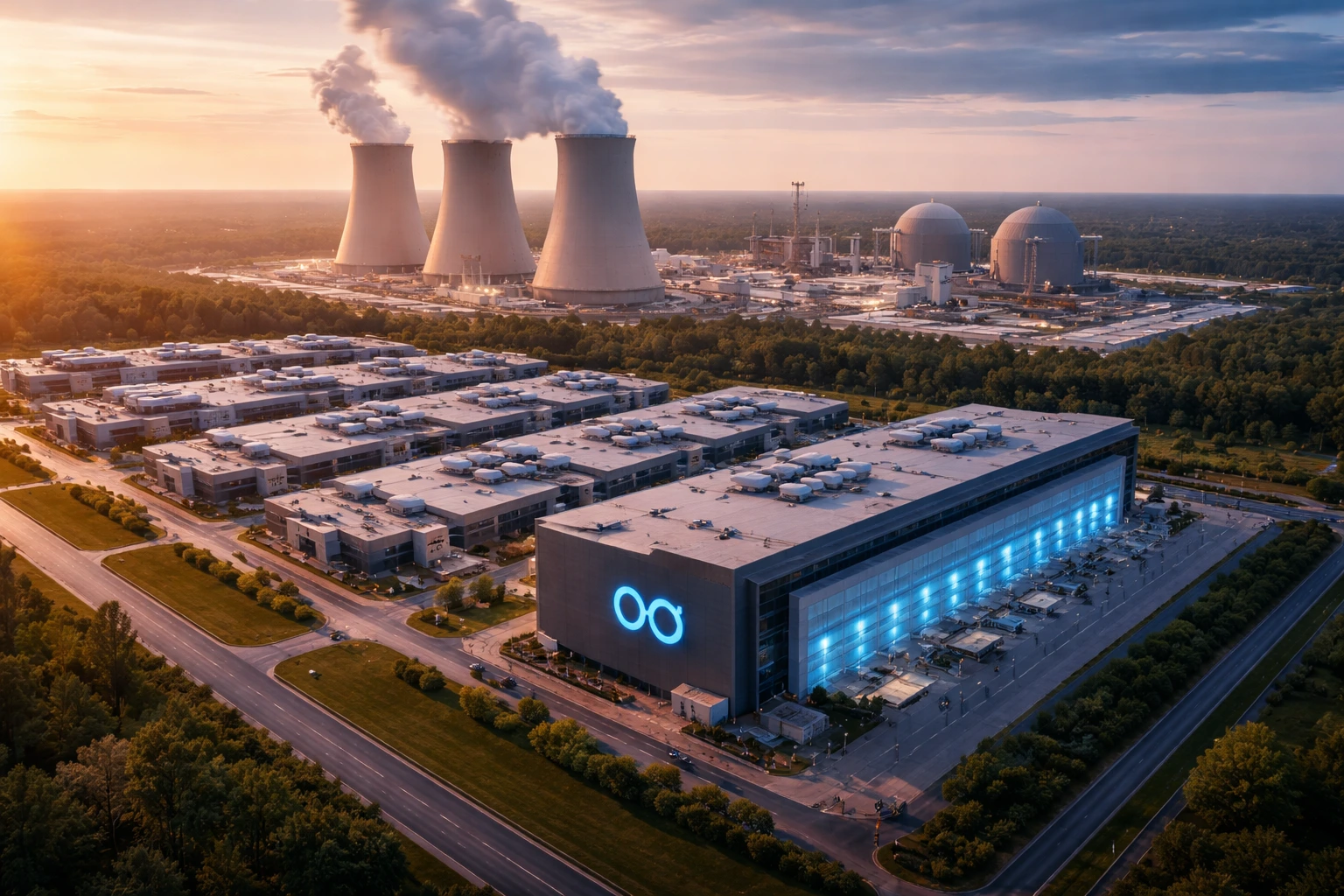
NEW YORK — Meta Platforms Inc. has entered agreements with three nuclear energy providers to supply electricity for its Prometheus AI supercluster, a major data center project under construction in New Albany, Ohio.
The deals involve Vistra Corp., TerraPower LLC, and Oklo Inc., including support for both operating and advanced nuclear reactors.
Meta said the combined energy from these agreements could reach 6.6 gigawatts by 2035, exceeding the total electricity consumption of New Hampshire.
Meta’s announcement highlights the company’s focus on ensuring stable power for its AI operations.
The Prometheus supercluster, which is expected to come online in 2026, will require uninterrupted electricity for large scale AI model training and operation.
By partnering with nuclear energy providers, Meta seeks to reduce reliance on intermittent energy sources while supporting its long term AI ambitions.
The tech industry’s increasing demand for electricity intensive AI computing has led major companies to secure long term power agreements.
Meta previously signed a 20 year contract with Constellation Energy to purchase nuclear power from the Clinton Clean Energy Center in Illinois, beginning in 2027.
Similarly, other tech giants such as Amazon and Google have pursued nuclear agreements to ensure continuous, low carbon energy for their computing infrastructure.
Details of the Agreements
Vistra Corp.: Meta will purchase electricity from operating nuclear plants in Ohio and Pennsylvania and help fund plant upgrades and life extension programs.
TerraPower LLC: Meta will support two advanced reactor projects, expected to generate electricity by 2032, with the option to access energy from additional reactors by 2035.
Oklo Inc.: Funding will support development of Oklo’s advanced nuclear campus in Pike County, Ohio, projected to start producing electricity as early as 2030. OpenAI CEO Sam Altman is a major investor in Oklo, holding a 4.3 percent stake.
Experts say corporate investments in nuclear power are becoming critical as AI workloads grow.
Jane Smith, senior analyst at the Energy Institute, said, “High performance AI computing requires continuous, stable power.
Nuclear energy can provide the consistent baseload that renewable sources cannot always deliver.”
Robert Lee, a former commissioner of the US Nuclear Regulatory Commission, noted that long term corporate contracts could influence the development and financing of nuclear projects.
“When companies commit to purchasing nuclear power for decades, it improves investment certainty for both existing plants and advanced reactor development,” Lee said.
Meta’s Nuclear Power Commitments
| Partner | Type of Commitment | Capacity Target | Expected Online |
|---|---|---|---|
| Vistra Corp. | Long-term power purchase and plant funding | ~2.6 GW | Immediate |
| TerraPower LLC | Funding for advanced reactors | ~0.69 GW + options | 2032 |
| Oklo Inc. | Development support for advanced nuclear | ~1.2 GW | 2030 |
| Total Potential by 2035 | — | 6.6 GW | — |
Urvi Parekh, Meta’s Head of Global Energy, said, “Investing in nuclear power ensures clean and reliable electricity for our AI operations while supporting broader energy transition goals.”
Chris Levesque, CEO of TerraPower, added, “Meta’s support accelerates the timeline for deploying advanced nuclear technologies that can meet future energy needs.”
These agreements may influence the broader US energy market by providing long term demand for both current and advanced nuclear projects.
While construction and licensing of new reactors face regulatory challenges, Meta’s commitment provides early signals to investors and regulators.
Potentially enabling faster deployment of next generation nuclear technology.
Meta’s nuclear energy strategy demonstrates the growing intersection of AI computing and energy planning.
By securing multi gigawatt nuclear power agreements, the company aims to ensure Prometheus and other AI systems have stable, low carbon electricity well into the next decade.
The initiative underscores how technology companies are increasingly shaping energy infrastructure and policy to support advanced computing capabilities.
Author’s Perspective
In my analysis, Meta’s nuclear energy deals mark a strategic shift, aligning AI compute demands with long term, low carbon power.
This approach mitigates energy volatility and positions the company at the forefront of infrastructure driven AI scalability.
I predict corporate backed nuclear procurement will become a benchmark for hyperscale AI operations, creating a $50 billion pipeline for advanced reactor development in the US.
For communities and businesses, this could mean more stable grids, new jobs, and reliable AI services.
Monitor advanced nuclear projects like TerraPower and Oklo for early partnership or investment opportunities.
NOTE! This report was compiled from multiple reliable sources, including official statements, press releases, and verified media coverage.


