
KEY POINTS
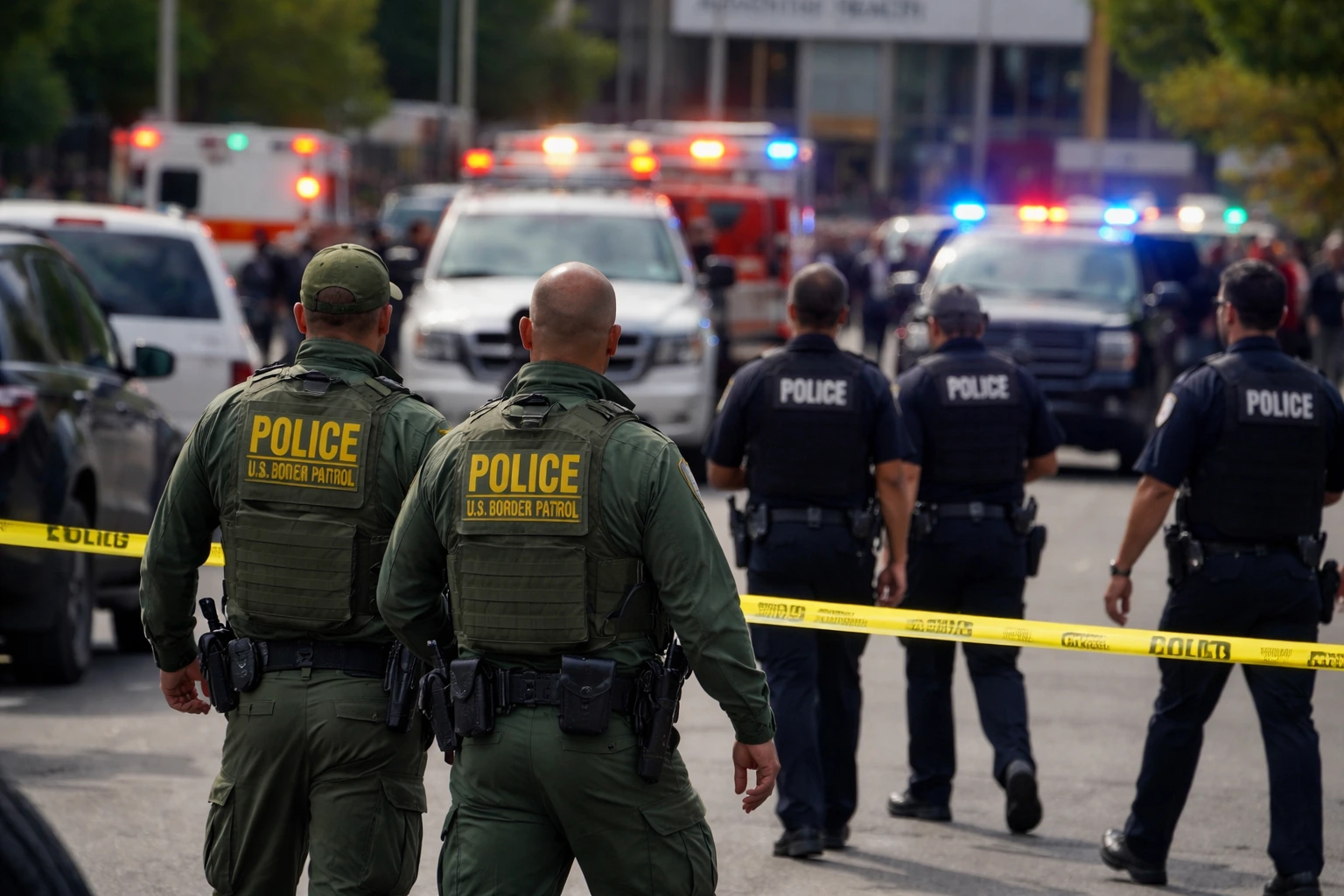
- Federal agents shot two people during an immigration enforcement stop in Portland, according to local and federal officials.
- The Department of Homeland Security said an agent fired after a driver attempted to strike officers with a vehicle.
- The incident has intensified local concerns about federal immigration operations and public safety, while officials urged residents to remain calm.
PORTLAND, Ore. — Federal agents shot two people during an immigration enforcement operation in southeast Portland on Thursday.
Triggering immediate calls from local leaders for calm and renewed demands for transparency around federal actions in a city known for political dissent and street level protests.
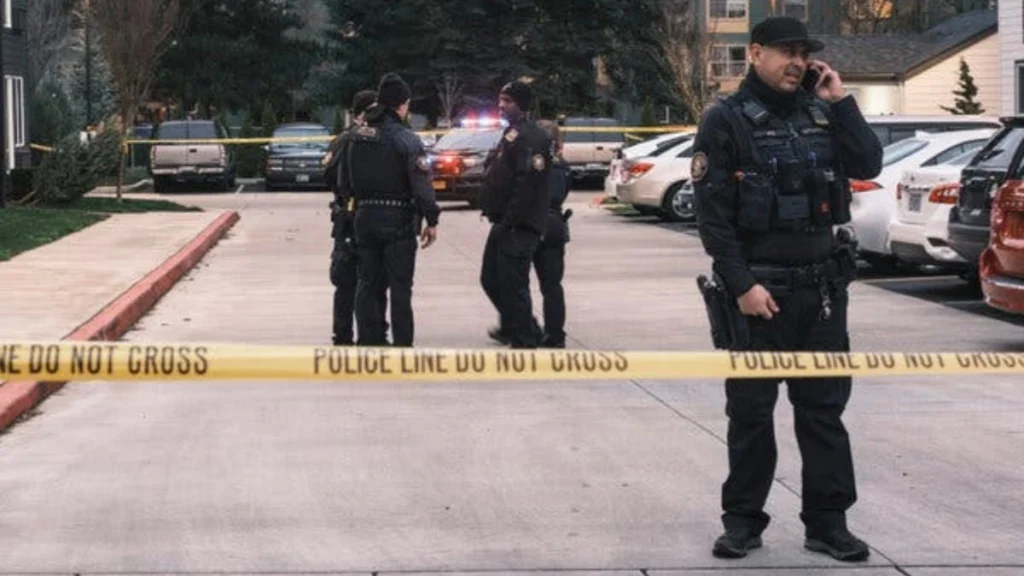
Authorities said the shooting occurred after a driver attempted to run over US Border Patrol agents during a targeted vehicle stop, according to the Department of Homeland Security.
The conditions of the two people who were shot were not immediately clear late Thursday, though local officials said they were believed to be alive.
The driver fled the scene, and the victims were later located a short distance away with gunshot wounds, police said.
The Portland shooting has become a flashpoint in the national debate over immigration enforcement.
Policing tactics and the expanding footprint of federal agencies in cities that have resisted cooperation with immigration authorities.
The event unfolded near Adventist Health Portland, a major hospital campus roughly eight miles from downtown, amplifying concerns about public safety and the use of force in densely populated areas.
Local officials said the shooting took place shortly after two pm Thursday. The Federal Bureau of Investigation and Portland police responded to the scene, though it remained unclear which agency would lead the investigation.
Elana Pirtle Guiney, president of the Portland City Council, told colleagues during a council meeting that she believed the two victims were still alive.
According to the Department of Homeland Security, Border Patrol agents were conducting what officials described as a targeted vehicle stop.
When the driver attempted to strike agents with a car. One agent then fired a weapon.
DHS spokeswoman Tricia McLaughlin said the agents were seeking an undocumented immigrant whom she described as a member of Tren de Aragua.
A transnational gang that originated in a Venezuelan prison system. She did not provide evidence to support the claim of gang membership.
Tren de Aragua has been cited repeatedly by the Trump administration as a justification for aggressive immigration enforcement.
Often linking the group to organized crime, human trafficking and violent offenses across multiple countries.
Law enforcement analysts note that while the group has expanded beyond Venezuela, its actual presence in most US cities remains difficult to verify.
Portland has long been a focal point for confrontations between federal authorities and local communities, particularly during periods of heightened political tension.
The city’s status as a sanctuary jurisdiction limits local cooperation with federal immigration enforcement, a stance that has repeatedly drawn criticism from federal officials.
This incident occurred one day after a fatal shooting involving an Immigration and Customs Enforcement officer in Minneapolis, further heightening emotions and scrutiny of federal operations.
Legal and policing experts say the Portland shooting underscores the complex legal terrain federal agents operate in when conducting immigration actions in cities that oppose their presence.
“When federal agents conduct enforcement actions in public spaces, especially in sanctuary jurisdictions.
The risk of escalation increases,” said Dr. Hannah Morales, a criminal justice professor at Oregon State University.
“These encounters often involve overlapping jurisdictions, unclear lines of authority and heightened community distrust.”
Morales said that claims of gang affiliation, while often used to justify enforcement intensity, require careful scrutiny.
“Gang labels can shape public perception immediately,” she said. “But from a legal standpoint, they do not replace the need for evidence or due process.”
Civil liberties advocates in Oregon have long warned that immigration operations in populated areas raise the risk of harm to bystanders.
The proximity of Thursday’s shooting to a hospital campus has intensified those concerns.
Federal Immigration Enforcement Context
| Category | Portland Area | National Context |
|---|---|---|
| Sanctuary city policies | Yes | Varies by state |
| Federal agencies involved | Border Patrol, ICE, FBI | DHS, DOJ |
| Common enforcement methods | Targeted stops, warrants | Raids, traffic stops |
| Use-of-force scrutiny | High | Increasing |
| Community protest history | Extensive | Varies |
Source: Public records, academic research, city policy documents
Portland Police Chief Bob Day urged residents to allow investigators to determine what happened.
“We understand the heightened emotion and tension many are feeling,” Day said. “But I am asking the community to remain calm as we work to learn more.”
Multnomah County District Attorney Nathan Vasquez said the FBI and local police were present at the scene but declined to specify who was leading the inquiry.
Sen. Jeff Merkley, an Oregon Democrat, warned against violence or unrest. “Please keep protests peaceful,” Merkley said in a statement. “Trump wants to generate riots. Don’t take the bait.”
Mayor Keith Wilson said the incident was part of a broader pattern of federal actions that have unsettled Portland residents, particularly in communities of color and immigrant neighborhoods.
“People deserve to feel safe in their own city,” Wilson said. “That includes safety from crime and safety from unnecessary escalation.”
Authorities said multiple investigations are expected, including reviews of the Border Patrol agent’s use of force and the circumstances surrounding the vehicle stop.
Federal and local agencies are likely to coordinate, though jurisdictional questions could delay public findings.
Civil rights attorneys anticipate possible lawsuits depending on the medical outcomes of the victims and whether body camera or surveillance footage emerges.
City leaders are also preparing for demonstrations, which have historically followed similar incidents in Portland.
Police officials said they were increasing patrols around key public spaces but emphasized that no curfews or emergency measures had been declared.
The Portland shooting involving federal agents has reopened long standing debates about immigration enforcement, public safety and federal authority in sanctuary cities.
While investigators work to establish the facts, local leaders have focused on maintaining calm and preventing further harm.
As the case unfolds, it is likely to become a test of how federal agencies conduct operations in politically charged environments and how cities like Portland balance public safety with civil liberties.
Author’s Perspective
In my analysis, the Portland shooting highlights the growing risk created by aggressive federal immigration enforcement operating within sanctuary cities, where jurisdictional friction often leads to rapid escalation.
From a strategic perspective, these incidents signal a widening gap between federal enforcement priorities and local public safety governance.
I predict federal immigration operations will face mandated national use of force standards.
Including expanded body camera requirements and independent oversight, driven by mounting legal and political pressure.
For ordinary residents, this tension erodes trust, disrupts daily life and raises safety concerns even in non protest settings.
Track federal court rulings on immigration enforcement use of force policies, as they will define how these operations unfold in major cities.
NOTE! This report was compiled from multiple reliable sources, including official statements, press releases, and verified media coverage.


