
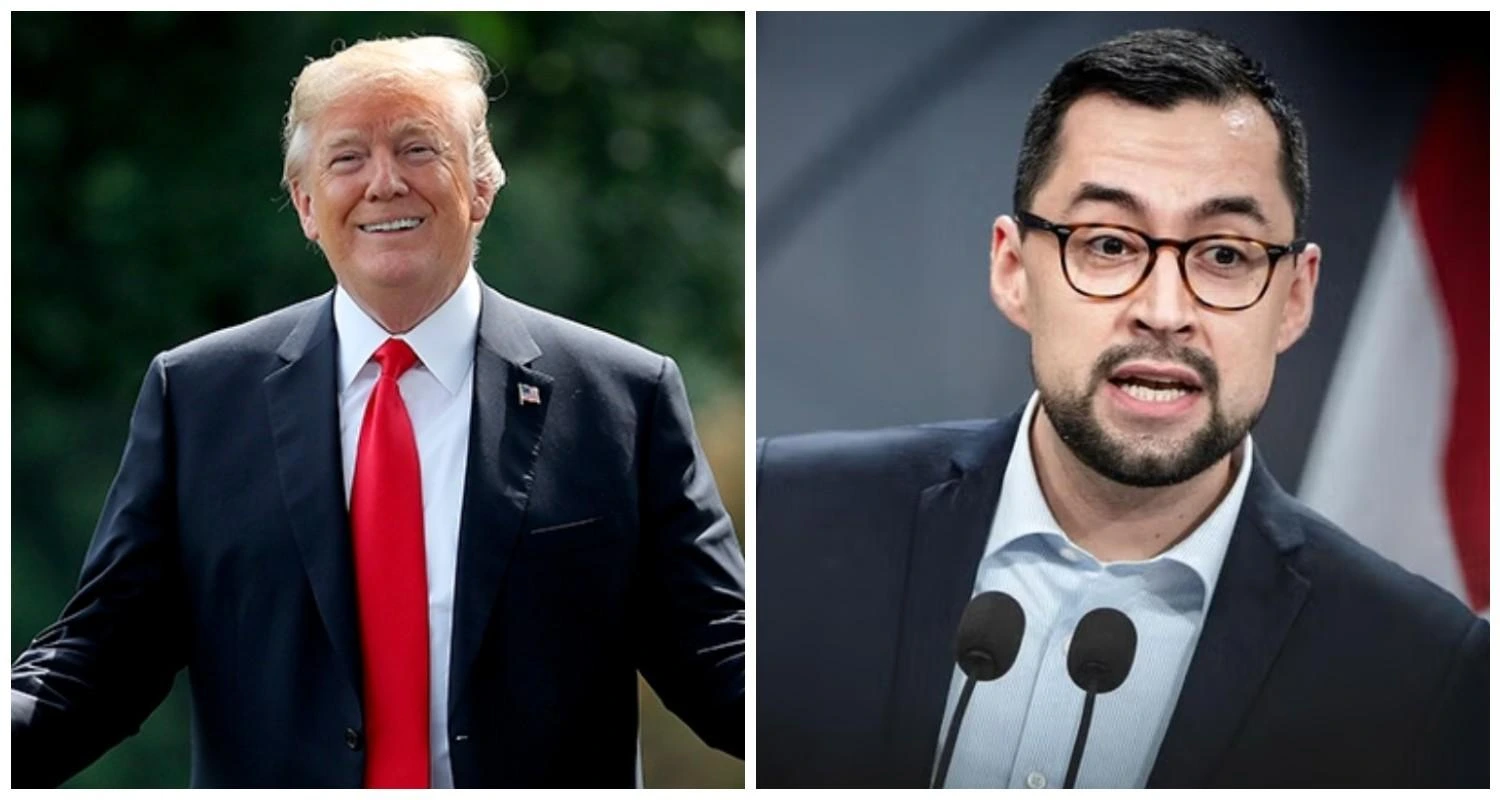
NUUK, Greenland — Greenland’s prime minister on Monday downplayed concerns over a possible US takeover of the Arctic island, following renewed interest from President Donald Trump.
The remarks came amid heightened attention after Washington’s recent military operation in Venezuela.
Prime Minister Jens Frederik Nielsen stressed that Greenland, an autonomous territory of Denmark, is “not comparable to Venezuela” and is a democratic society with long-standing institutions.
“The situation is not such that the United States can simply conquer Greenland,” Nielsen said at a press conference in Nuuk.
“We want to maintain and strengthen our existing cooperation with the United States.” Denmark, responsible for Greenland’s defense, also weighed in.
Danish Prime Minister Mette Frederiksen warned that any military action against Greenland could have serious consequences for NATO.
Stating that an attack on a NATO ally would trigger alliance wide ramifications.
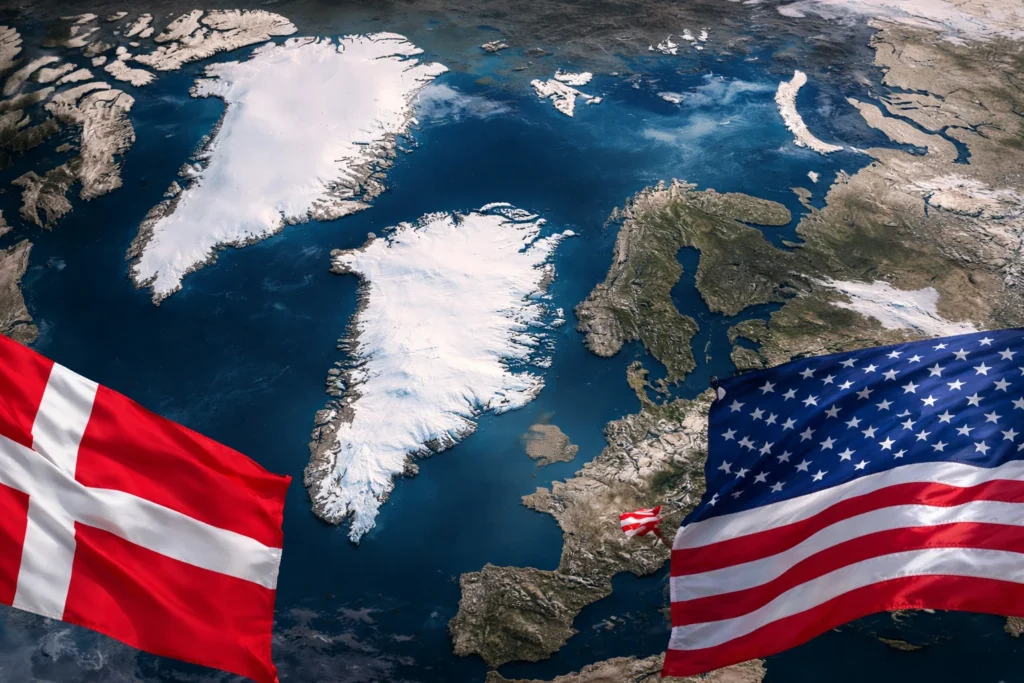
KEY POINTS
- Greenland’s leadership rejects fears of an immediate US takeover following President Trump’s statements.
- Denmark emphasizes that US military action against Greenland could undermine NATO’s security commitments.
- European allies have expressed support for Greenland’s sovereignty and self determination.
The discussion follows a US intervention in Venezuela over the weekend, which reignited Trump’s longstanding interest in Greenland.
The US president has previously described the island as strategically important for national security and has suggested the United States might consider acquiring it, though no formal plans or timelines exist.
Nielsen highlighted that Greenlanders overwhelmingly oppose foreign control.
Public opinion surveys consistently show strong support for maintaining self rule and pursuing gradual independence from Denmark.
Historical and Strategic Background
Greenland, the world’s largest island, is home to about 57,000 people and possesses significant natural resources, including rare earth minerals.
While part of the Kingdom of Denmark, it operates with self government in domestic matters.
The island is also of strategic importance to the United States. Greenland hosts military facilities, such as Pituffik Space Base, used for missile warning and Arctic surveillance.
These installations have been vital to US and NATO defense infrastructure since the Cold War.
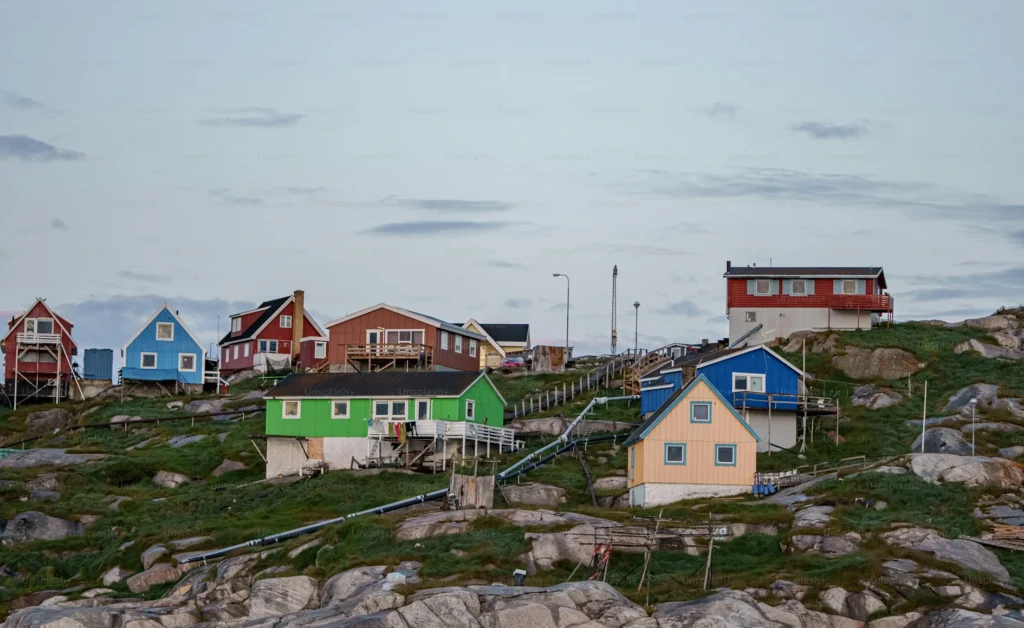
Climate change is opening new Arctic shipping routes, increasing Greenland’s geopolitical relevance.
Global competition over its natural resources has intensified, particularly in the context of reducing reliance on Chinese supplied minerals.
Experts note that Greenland’s legal and constitutional status within Denmark makes any US acquisition complex and diplomatically sensitive.
Laura Jensen, a senior fellow at the Arctic Policy Institute, said, “Greenland’s strategic value has grown, but forced acquisition would disrupt decades of alliances and international law.”
Hans Koenig, a European security analyst, added that Greenland is attempting to balance cooperation with the United States while maintaining sovereignty.
“The government wants strong defense partnerships without compromising public support for self rule,” Koenig said.
Nielsen reassured Greenlanders that there is no immediate threat. “We are not in a situation where a takeover is possible overnight,” he said.
Frederiksen emphasized Denmark’s role in safeguarding the island. “Any attack on Greenland would halt NATO operations and security guarantees,” she said, highlighting the potential international implications.
Greenland and Denmark have signaled a desire for continued diplomatic engagement with the United States, emphasizing respect for sovereignty and international law.
European allies are expected to maintain support for Greenland’s self determination.
While Arctic security discussions may intensify as global powers compete for strategic positioning and resources.
The situation underscores Greenland’s rising geopolitical importance amid climate change, resource competition, and shifting military priorities.
Its response reflects broader trends in modern sovereignty debates and the complexities of balancing national interest, alliance commitments, and public opinion in the Arctic region.
Author’s Perspective
In my analysis, Greenland is skillfully balancing US interest with its own sovereignty, signaling a new era in Arctic geopolitics.
I believe its strategic and resource value will only grow as global powers focus on the High North.
I predict Greenland will become a key hub for Arctic security and rare earth mineral partnerships, boosting its diplomatic and economic influence.
Track Greenland’s defense deals and infrastructure projects they reveal both geopolitical shifts and investment opportunities.
NOTE! This report was compiled from multiple reliable sources, including official statements, press releases, and verified media coverage.


