
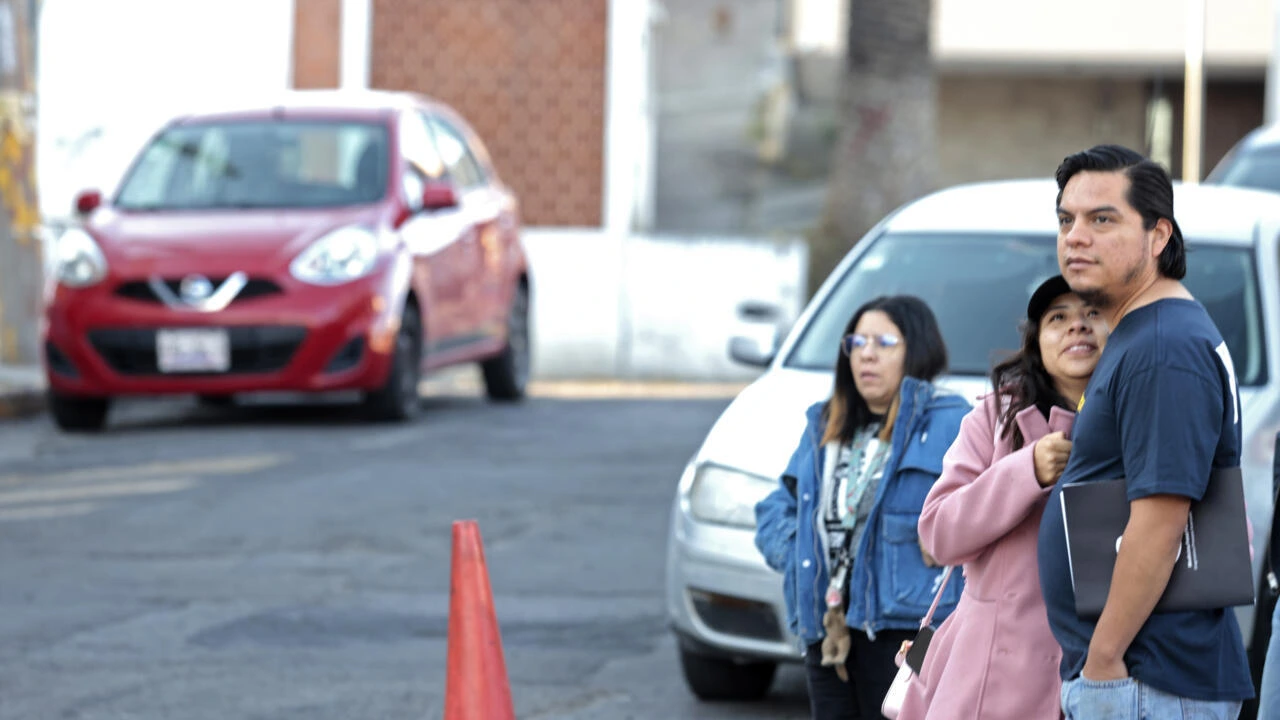
A 6.5 magnitude earthquake in southern Mexico struck the Pacific coast state of Guerrero on Friday, Jan. 2, briefly disrupting daily life and triggering precautionary evacuations.
Including during President Claudia Sheinbaum’s first press conference of the year, according to US and Mexican authorities.
Key Points
- A 6.5 magnitude earthquake in southern Mexico struck Guerrero at a depth of about twenty two miles, according to the US Geological Survey.
- No serious damage or casualties were immediately reported in Guerrero or Mexico City, officials said.
- The quake underscored Mexico’s ongoing seismic vulnerability along the Pacific subduction zone.
The earthquake was felt across large parts of southern and central Mexico, prompting emergency alerts and brief evacuations in public buildings.
President Claudia Sheinbaum said she spoke directly with Guerrero Gov. Evelyn Salgado and confirmed that initial reports showed no major damage, according to information shared by the presidency and Reuters.
The tremor occurred as Sheinbaum was addressing reporters in Mexico City, where warning sirens sounded and staff followed established evacuation protocols.
Video released by the federal government showed the president calmly directing aides and journalists out of the briefing room.
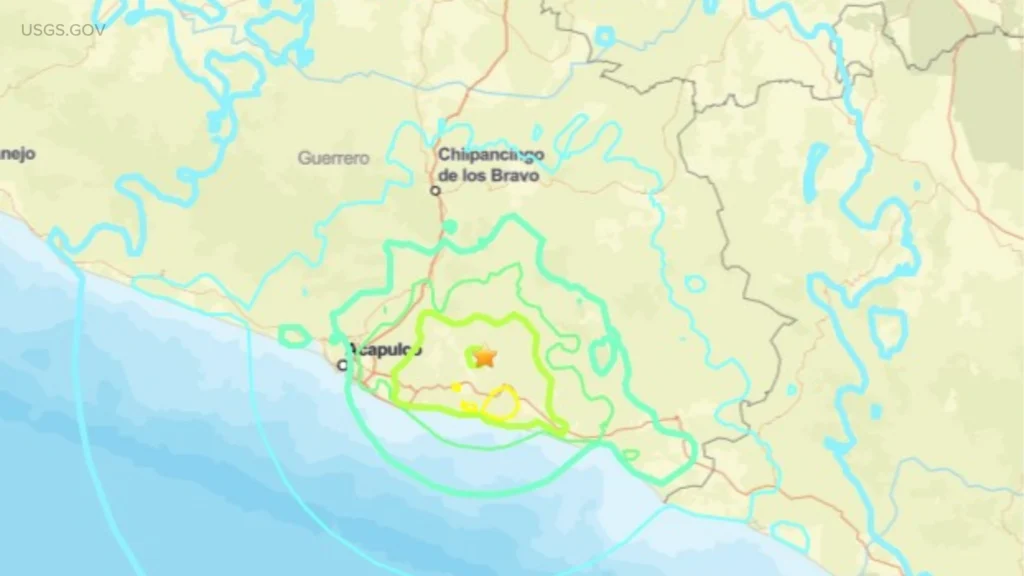
Guerrero sits along the Pacific coast near the Middle America Trench, where the Cocos tectonic plate subducts beneath the North American plate.
This region has long been one of Mexico’s most seismically active zones, producing some of the country’s strongest earthquakes.
Including the devastating nineteen eighty five Mexico City quake and the deadly two thousand seventeen Puebla Morelos earthquake.
According to the US Geological Survey, Friday’s 6.5 magnitude earthquake in southern Mexico originated at a depth of about thirty five kilometers, or roughly twenty two miles.
Earthquakes at this depth can be widely felt but often cause less surface damage than shallower events, depending on local soil conditions and building standards.
Seismologists say the absence of immediate damage reflects improvements in Mexico’s early warning systems and building codes, particularly in urban centers.
The National Seismological Service operates a network of sensors that can provide seconds of advance warning, allowing people to evacuate or take cover.
“Depth and distance from major population centers played a key role here,” said a seismologist at the National Autonomous University of Mexico.
Explaining that Guerrero’s coastal geography can limit the amplification of seismic waves toward the capital.
President Claudia Sheinbaum said on social media that she had spoken with Guerrero’s governor and that “there are no reports of serious damage.”
Guerrero Gov. Evelyn Salgado said state emergency teams were conducting inspections in coastal and mountainous areas as a precaution.
Mexico City’s Civil Protection agency said standard evacuation protocols were followed and that no injuries were reported in the capital.
Federal and state authorities said monitoring would continue for possible aftershocks, which are common following earthquakes of this magnitude.
Engineers and civil protection teams were expected to complete structural assessments in affected communities over the coming days.
The 6.5 magnitude earthquake in southern Mexico served as a reminder of the country’s persistent seismic risk, even as strengthened infrastructure.
Early warning systems and coordinated emergency responses continue to reduce the potential for large scale damage and loss of life.
Author’s Perspective Adnan Rasheed
In my analysis, the Guerrero earthquake showed how improved warning systems and disciplined emergency protocols are reducing real world risk, even during high profile public events.
I believe the calm response mattered as much as the quake’s depth in preventing harm.
I predict that Mexico will continue lowering earthquake related casualties through better early alerts and stronger building enforcement beyond major cities.
Treat evacuation drills seriously and act immediately on official seismic alerts, as early response saves lives.
NOTE! This report was compiled from multiple reliable sources, including official statements, press releases, and verified media coverage.


