
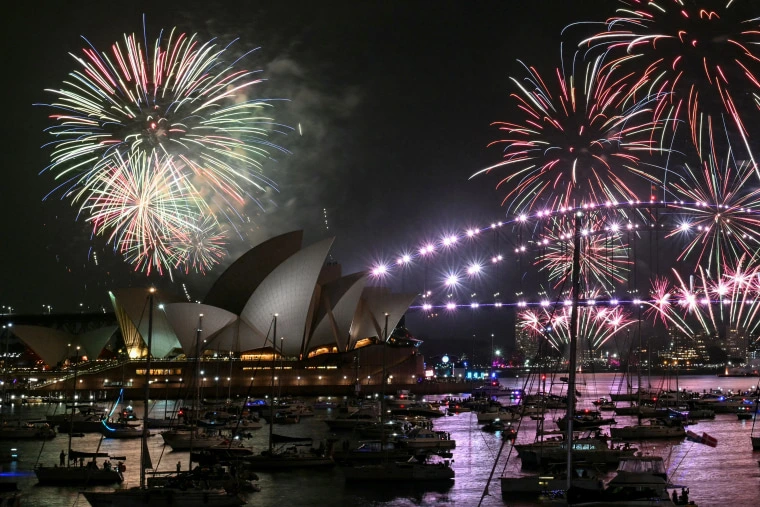
As the world closed out 2025, countries welcomed 2026 with celebrations marked by heightened security, somber reflection and renewed attention on ongoing international conflicts.
From Kiribati to New York, communities observed happy new year eve with both traditional festivities and caution, highlighting the fragile state of global peace.
The year 2025 saw historic developments, including the election of an American pope and diplomatic efforts to halt regional conflicts.
Former US President Donald Trump claimed a role in negotiating ceasefires, most notably between Thailand and Cambodia. While these agreements temporarily reduced hostilities, tensions remained high.
Russia’s invasion of Ukraine, now nearing its fourth year, continued to disrupt daily life and international diplomacy despite multiple attempts at peace negotiations.
Many nations adapted happy new year eve events to reflect security concerns and ongoing crises. Experts note that global reactions to the year’s conflicts illustrate enduring geopolitical fragility.
“The ceasefire in Southeast Asia demonstrates that temporary agreements can hold, but long term stability requires sustained multilateral engagement,” said Dr. Lina Morales, an international relations scholar at Georgetown University.
Analysts also pointed to US involvement in Ukraine, emphasizing that high profile diplomatic gestures alone have yet to produce a lasting resolution.
“Symbolic meetings and publicized plans can influence public perception but do not automatically translate to peace on the ground,” Morales added. Observers say happy new year eve celebrations often mirror the global political climate.
Historical patterns suggest that conflicts extending beyond three years rarely see immediate resolution. According to the Stockholm International Peace Research Institute, global armed conflicts lasted an average of eight years over the past two decades.
The ceasefire in Thailand and Cambodia marks a short term reduction in violence, while Ukraine continues to report daily civilian casualties and energy disruptions.
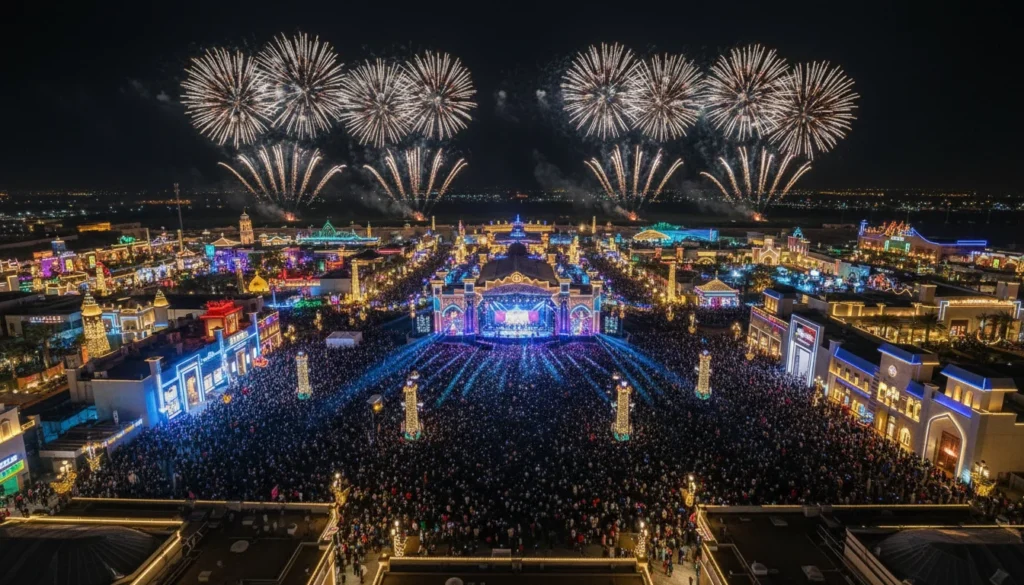
Many cities reported lower attendance at happy new year eve events compared with previous years due to safety and security measures.
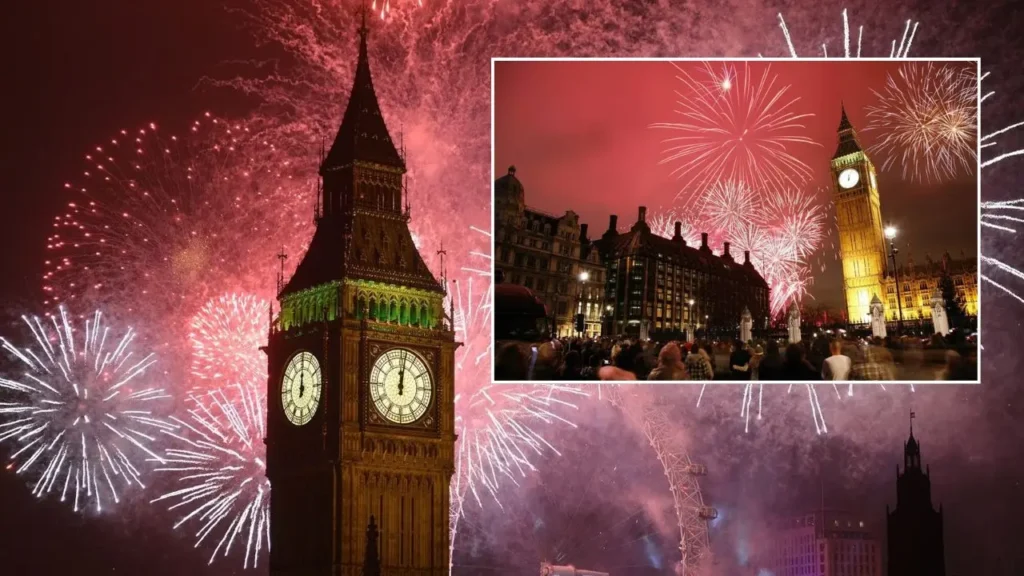
Communities marked happy new year eve with a mix of hope and caution. In Sydney, officials maintained tight security following a terrorist attack during Hanukkah, with the Harbor Bridge illuminated in white and a moment of silence observed.
“It’s important to remember those we lost while looking ahead,” said local resident Emily Tan. Kyiv residents, meanwhile, spent New Year under blackouts, with many unable to join public celebrations.
“We welcomed 2026 quietly, hoping for an end to the suffering,” said Petro Ivanov, a local teacher. Diplomatic efforts are expected to continue in 2026, though experts caution that major conflicts may persist.
Peace talks, international sanctions and multilateral interventions remain key tools, but analysts emphasize incremental progress rather than immediate resolutions.
Observers note that happy new year eve events may continue to be shaped by both security concerns and broader geopolitical tensions.
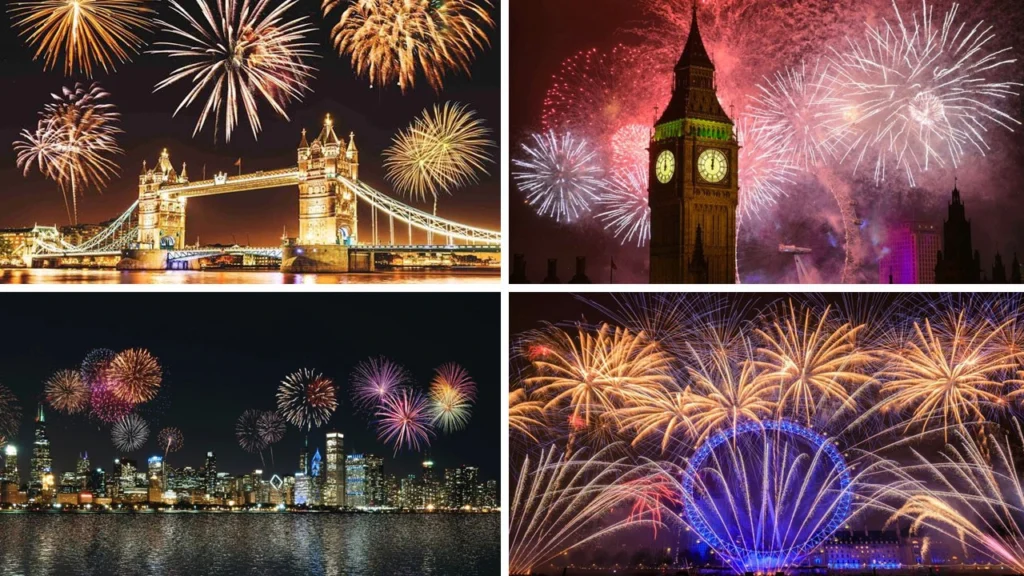
As the world ushers in 2026, the juxtaposition of celebration and conflict underscores ongoing geopolitical challenges.
From temporary ceasefires to enduring wars, the year ahead will test the capacity of leaders and communities to maintain peace, reflecting the broader significance of international diplomacy and local resilience.


