
MAIN POINTS:
- Court: Appeals court allows Trump era law cutting Planned Parenthood Medicaid funding.
- Impact: Law may close clinics and limits Medicaid for abortion providers.
- Next: Case may go higher, creating uncertainty for patients and services.
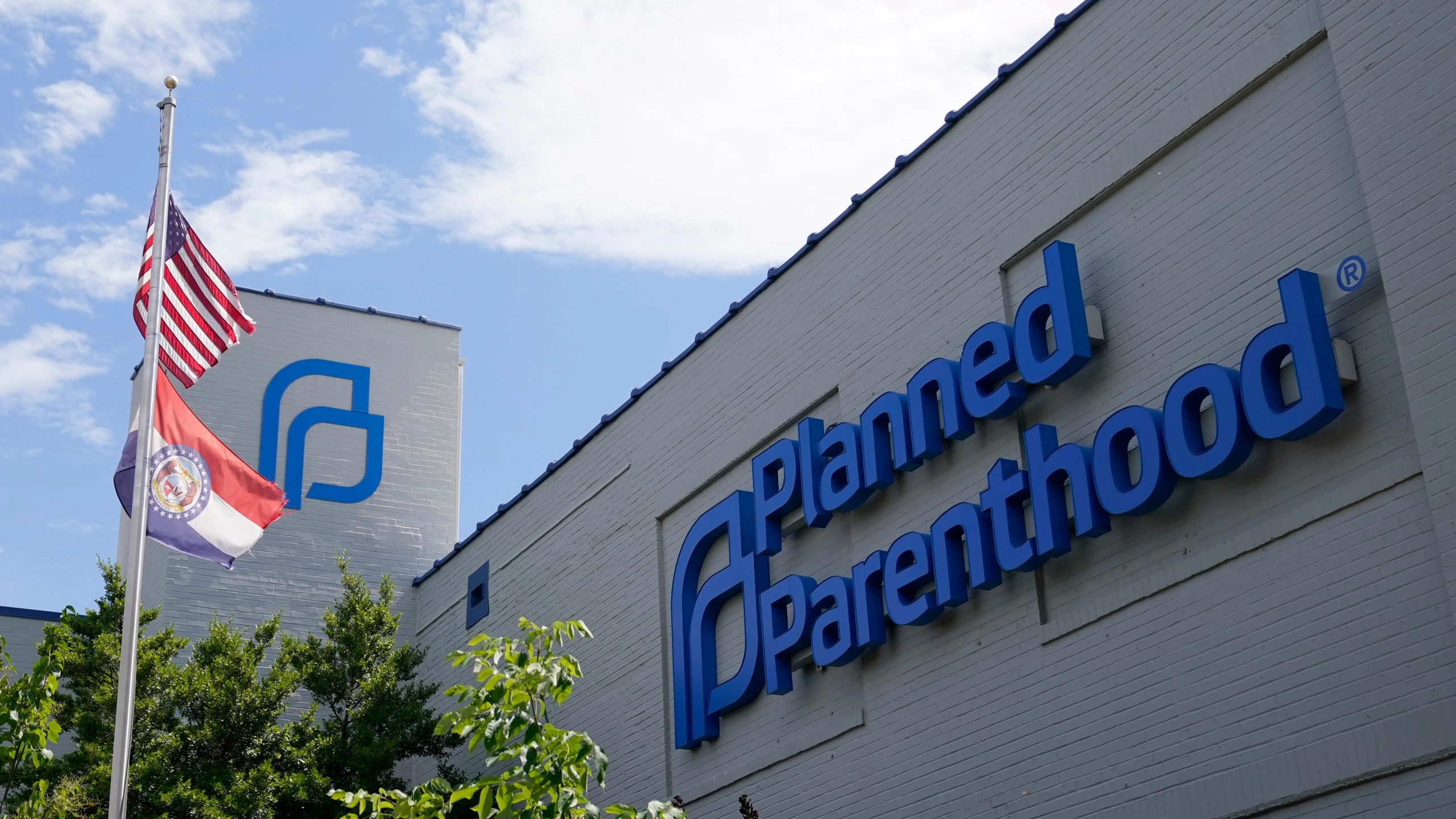
A US appeals court on Tuesday allowed the Trump administration to enforce a provision of its signature tax and domestic policy bill that cuts Medicaid funding to Planned Parenthood health centers performing abortions in several Democratic led states.
The decision lifts a lower court injunction that had temporarily blocked the law, marking the latest judicial development in a long running legal battle over reproductive health funding.
The case centers on a provision of the One Big Beautiful Bill Act, passed by the Republican led Congress, which bars Medicaid funding for tax exempt organizations providing family planning and reproductive health services if they perform abortions and received more than $800,000 in Medicaid funds during the 2023 fiscal year.
Planned Parenthood, the nation’s largest reproductive health provider, has said the law targeted its operations, contributing to the closure of at least 20 of its health centers since the measure was enacted in July.
The legal fight began when US District Judge Indira Talwani, appointed by former President Barack Obama, blocked enforcement of the law in 22 states and the District of Columbia, citing concerns it imposed an unconstitutional retroactive condition on state Medicaid programs.
Democratic attorneys general from California, Connecticut and New York co-led the challenge, arguing that states could not have anticipated the restriction when their Medicaid plans were approved.
Legal experts said the appeals court decision underscores the broad authority Congress holds over Medicaid funding but signals ongoing uncertainty for reproductive health providers.
“This ruling reaffirms Congress’s power to condition federal funds, yet it raises complex questions about retroactive application,” said Marylin Hodge, a health law professor at Georgetown University.
Political analysts note that the case reflects broader national tensions over abortion access and federal funding.
“Judicial interpretation of Medicaid restrictions can have profound effects on both service provision and state budgets,” said Thomas Riegel, a policy analyst at the Center for Health Policy Studies.
Medicaid is a primary funding source for low income Americans, covering approximately 74 million people nationwide.
According to Planned Parenthood, nearly 40 percent of its health centers rely on Medicaid reimbursements, making the loss of funding significant for both access and operational stability.
Previous federal restrictions, such as the Hyde Amendment, have similarly limited abortion related funding but allowed other health services to continue, making this law a particularly targeted measure.
California Attorney General Rob Bonta called the appeals court ruling disappointing but emphasized the ongoing commitment to healthcare access.
“We will continue to fight to ensure vulnerable Californians can receive the care they need,” he said. Health providers in affected states expressed concern.
“This decision could force clinics to reduce hours or cut essential services,” said Dr. Lauren Mitchell, director of a family health center in Massachusetts. The case is likely to proceed through further appeals, potentially reaching the US Supreme Court.
Legal observers caution that enforcement could create significant disruptions in reproductive health services while the courts resolve the constitutional questions at the heart of the dispute.
Tuesday’s appeals court ruling highlights the continuing legal and political contest over federal funding for reproductive health services.
While the law can now be enforced in several states, its long term impact on Medicaid-funded clinics, patient access and state healthcare budgets remains uncertain, underscoring the evolving intersection of law, policy and public health.


