
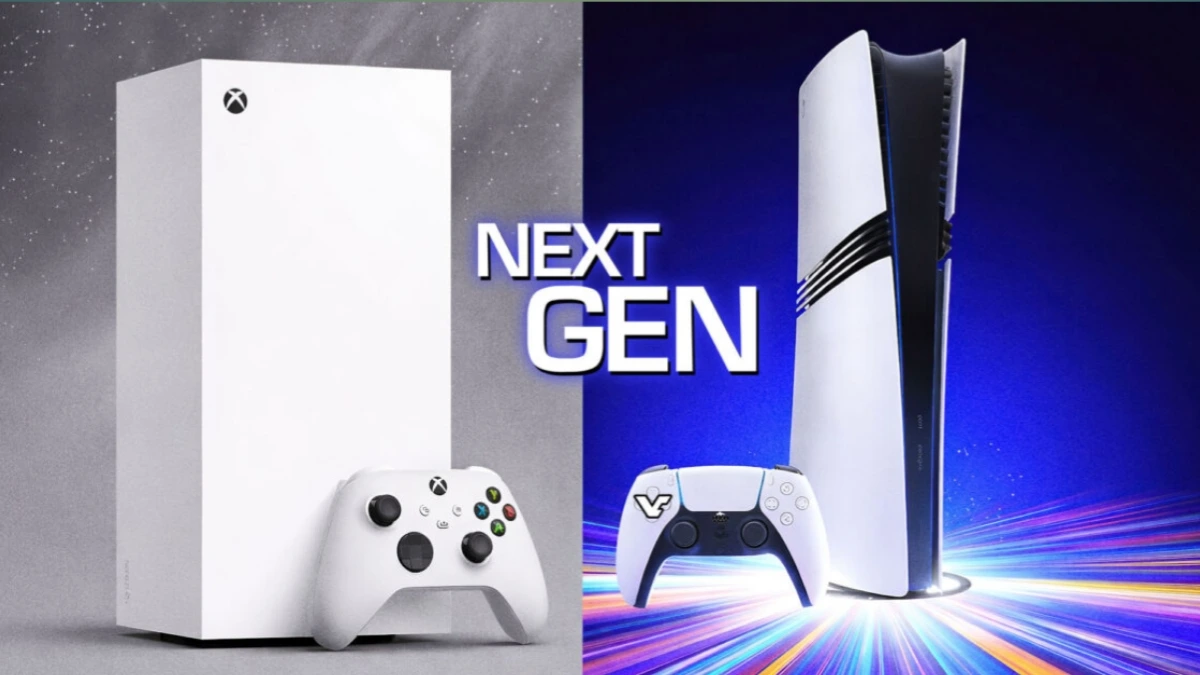
A new report from Insider Gaming indicates that the next generation of video game consoles, including Sony’s PlayStation 6 and Microsoft’s follow up to the Xbox Series X, could face potential delays due to rising hardware costs driven by artificial intelligence demands.
Industry analysts warn that RAM shortages and price surges could affect launch timelines and consumer pricing.
According to Tom Henderson, an industry insider at Insider Gaming, both Sony and Microsoft are reportedly evaluating potential delays for console launches initially planned for 2027 or 2028.
This would mark seven to eight years since the release of the PS5 and Xbox Series X and S. The root of the issue, Henderson said, lies in the escalating cost and limited availability of high performance RAM, a critical component for next generation gaming systems.
“AI infrastructure globally is consuming unprecedented amounts of memory, driving prices up several hundred percent over the past year,” Henderson said.
Sony and Microsoft have already adjusted prices for their current generation consoles in response to supply chain pressures.
The PS5 has increased in cost since its launch five years ago, while Microsoft raised the price of the 2-terabyte Xbox Series X to $800. Nintendo, which recently launched the Switch 2 at $450, has avoided multiple price hikes but remains above the original Switch’s $300 launch price.
Industry experts say the AI driven surge in hardware demand could affect both production and pricing for next generation consoles. “High end RAM is no longer just for data centers,” said Marcus Lee, a technology analyst at Global Gaming Insights.
“Gaming consoles, cloud services, and AI processing are all competing for the same resources. This could push the launch windows of PS6 and the next Xbox further out.”
Economic factors compound the issue. Global inflation and decreased consumer purchasing power may deter spending on premium gaming hardware.
“Consumers are increasingly cautious about spending over $1,000 on entertainment products when basic costs like rent and groceries continue to rise,” said financial analyst Priya Singh of MarketWatch Consulting.
Data from hardware suppliers shows RAM prices have risen over 200 percent in some markets over the past 18 months, driven largely by AI adoption across cloud computing and research sectors.
By comparison, high end consumer electronics, including current generation consoles, saw price increases of 15 to 30 percent in the same period.
Gaming console sales trends highlight the impact. Microsoft reported a decline in Xbox hardware sales following its price adjustments, while Sony’s PS5 remains strong but is affected by limited stock and higher retail prices.
Nintendo’s Switch line shows more stable sales but has faced criticism for higher launch prices compared with the original model.
Gamers and retail insiders are also noticing the strain. “I was planning to upgrade to the PS6 at launch, but at these prices, it doesn’t make sense,” said Jordan Matthews, a gaming enthusiast from Dallas, Texas.
Retailer accounts echo these concerns. “We are seeing fewer pre orders for high end consoles because customers are hesitant to commit to $900 or $1,000 machines,” said Lena Kim, store manager of a major electronics retailer in San Francisco.
Industry insiders suggest that unless RAM production increases or prices stabilize, both Sony and Microsoft may consider further delaying launches to avoid financial losses.
“Next-gen consoles may not only arrive later than expected, but they could also launch at unprecedented price points,” said Lee. Analysts caution that these trends could reshape the console market for years to come.
Supply chain experts recommend monitoring AI hardware investments and RAM production closely, as shifts in these markets could determine whether launch schedules remain feasible.
Rising RAM prices tied to global AI infrastructure are creating uncertainty in the console market, potentially delaying the PlayStation 6 and the next Xbox.
Combined with higher current generation prices and declining consumer purchasing power, industry analysts say gamers may face longer waits and steeper costs for next generation systems.
The ongoing intersection of AI growth and gaming hardware demand underscores the complex challenges facing console makers as they plan for the future.


