
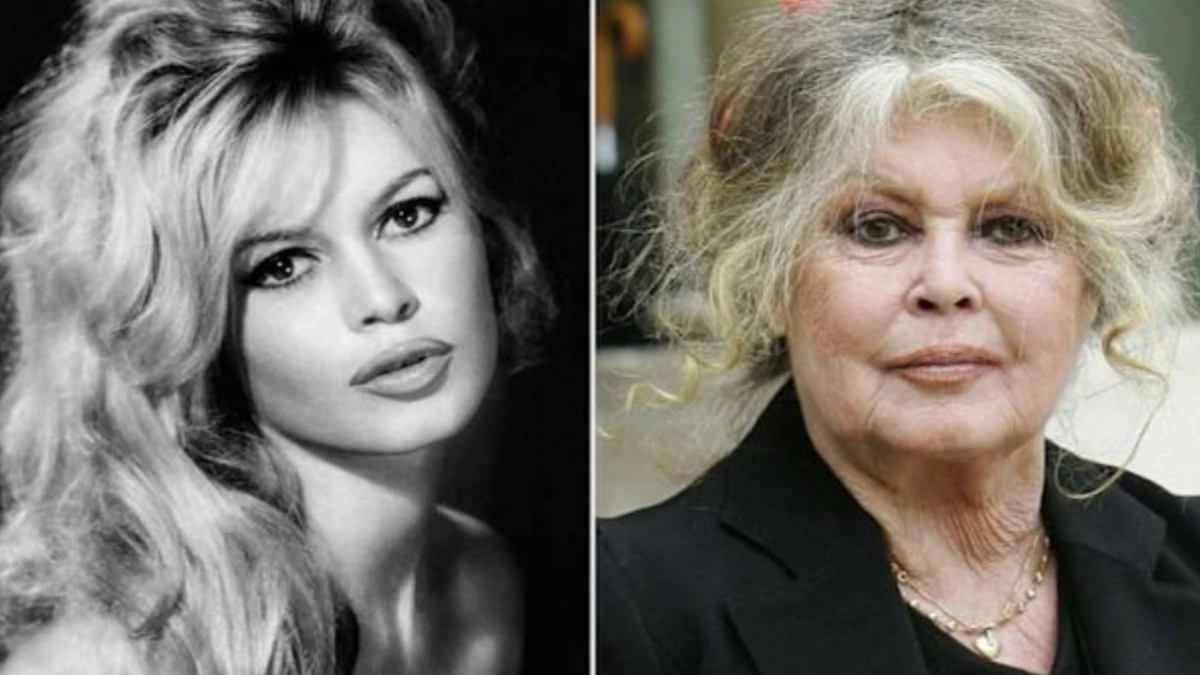
PARIS — Brigitte Bardot, the French actress, singer and animal rights activist whose image came to symbolize both postwar liberation and enduring controversy, has died at the age of ninety one.
Her death was confirmed Tuesday by a representative of the Brigitte Bardot Foundation, which she founded in nineteen eighty six. No cause of death was disclosed.
The news of Brigitte Bardot’s death marks the passing of one of France’s most internationally recognized cultural figures, a woman whose influence extended well beyond cinema into fashion, politics and social debate.
Born in Paris in nineteen thirty four, Bardot rose to prominence in the mid nineteen fifties with the film And God Created Woman.
Directed by Roger Vadim, her then husband, the movie transformed her into a global star and redefined on screen femininity in Europe and beyond.
Bardot’s fame accelerated rapidly. By her early twenties, she was one of the most photographed women in the world, pursued relentlessly by paparazzi and emblematic of a new, unapologetic sensuality.
In nineteen sixty nine, she became the first celebrity selected as the model for Marianne, the national symbol of the French Republic.
“She represented a break with the past,” said Claire Dubois, a French film historian at the Sorbonne. “Bardot embodied a France that was modern, assertive and unafraid of contradiction.”
Despite her success, Bardot often rejected the trappings of stardom. She publicly criticized the film industry and retired from acting in nineteen seventy three, before turning forty.
Unlike many high profile retirements, she never returned to the screen. Cultural analysts note that Brigitte Bardot’s death revives discussion of her complex public identity.
While she was widely celebrated as a feminist icon in the nineteen sixties, Bardot later became associated with far right political views.
She was convicted multiple times in French courts for inciting racial hatred over statements about immigration and Islam.
“Her life forces France to confront an uncomfortable reality,” said sociologist Marc Legrand. “She could be a symbol of liberation and intolerance at the same time.”
At her peak, Bardot appeared in more than forty films over less than two decades, a pace that reflected both audience demand and studio pressure.
Several of her films ranked among France’s top box office releases of their respective years, particularly her comedies, which critics later reassessed more favorably.
Internationally, Bardot’s influence rivaled that of contemporaries such as Marilyn Monroe, though Bardot’s image was more closely tied to national identity.
Her likeness as Marianne appeared in thousands of French city halls, on stamps and on official documents throughout the nineteen seventies.
In Paris, reactions to Brigitte Bardot’s death were mixed but deeply felt. “She made France visible to the world in a new way,” said Jean Paul Martin, a seventy two year old retired teacher.
“We grew up with her films. She was everywhere.” Others emphasized her later years. “You cannot separate her activism from her politics,” said Amira Ben Salah, a university student.
“She defended animals fiercely, but her words hurt many people.” Officials from the Culture Ministry issued a brief statement acknowledging Bardot’s role in French cinema while noting her “singular and sometimes divisive public presence.”
Scholars expect Bardot’s legacy to be revisited in the coming years, particularly as debates continue over how societies remember public figures whose achievements coexist with controversy.
Film retrospectives and academic reassessments are already being planned in Paris and Cannes, according to industry groups.
Her foundation, which remains active in animal welfare campaigns across Europe, is expected to continue its work under existing leadership.
“The conversation will not end with Brigitte Bardot’s death,” said Dubois. “If anything, it will become more nuanced.”
Brigitte Bardot’s life traced the arc of postwar celebrity, from meteoric rise to deliberate withdrawal, from adulation to dispute.
As news of Brigitte Bardot’s death spreads, France and the wider world are left with a legacy that reflects both cultural transformation and unresolved tension, a reminder of how public figures can embody the complexities of their time.


