
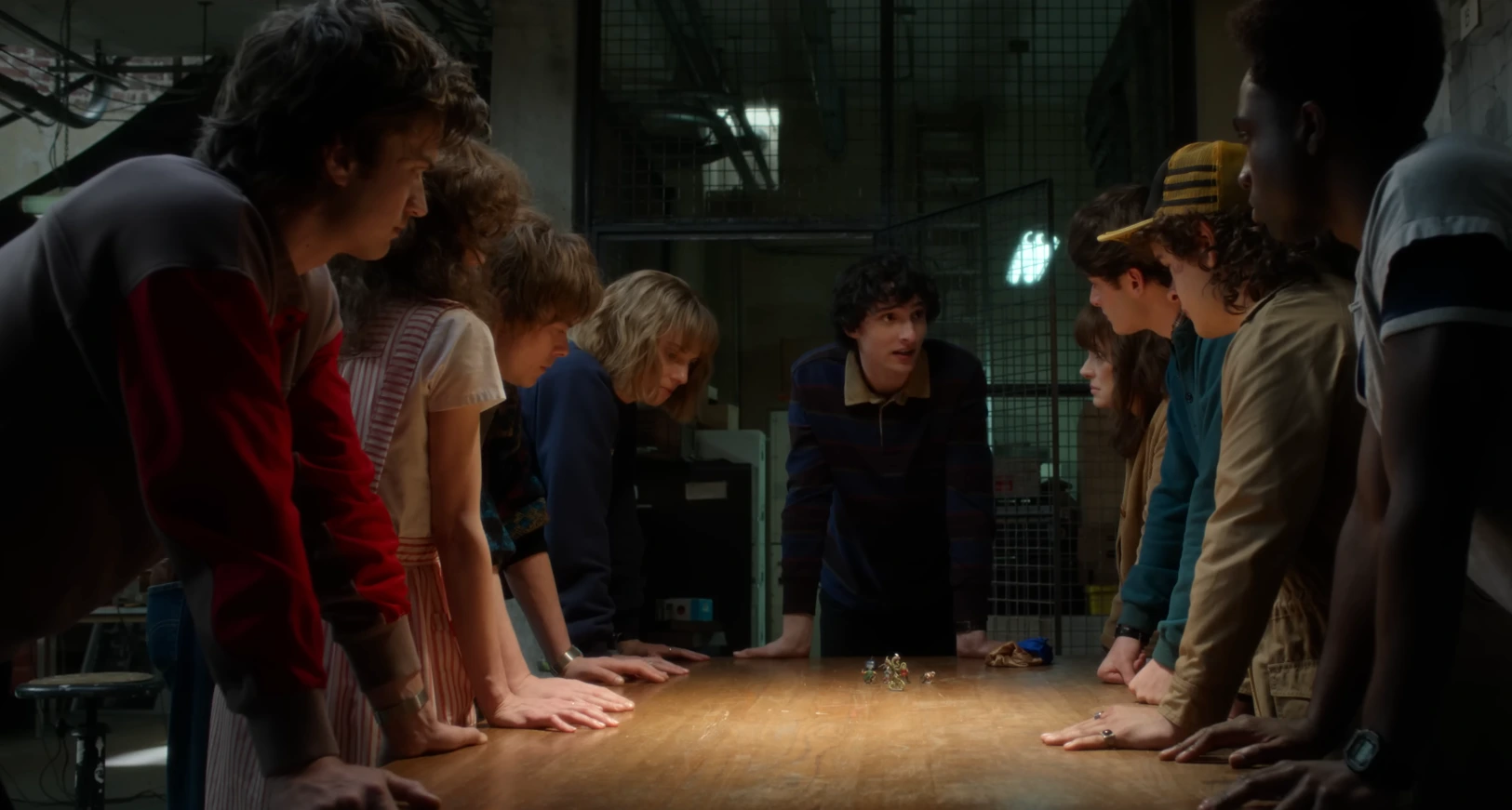
LOS ANGELES — The Netflix series Stranger Things has grown into a cultural phenomenon since its 2016 debut, drawing audiences with a blend of 1980s nostalgia, supernatural intrigue, and coming of age storytelling.
The series’ third season marked a turning point as characters navigated adolescence, consumer culture and the challenges of growing up, all while facing the extraordinary dangers of the Upside Down, the show’s alternate dimension.
Stranger Things, created by the Duffer Brothers, premiered to critical acclaim for its portrayal of a small town in Indiana haunted by a parallel dimension and a girl with telekinetic powers.
Eleven, played by Millie Bobby Brown, became an emblem of resilience and curiosity, growing from an experimental lab subject into a teenager exploring identity and friendships.
By the third season, the show had expanded both its narrative scope and its audience. Set against the backdrop of Reagan era consumerism, the introduction of Starcourt Mall gave the tween characters a tangible symbol of normal adolescence.
Eleven, confronting the bewildering array of clothing options, asked her friend Max, portrayed by Sadie Sink, “How do I know what I like?” Max responded, “You just try things on until you find something that feels like you.”
While seemingly about fashion, the dialogue reflected the series’ deeper exploration of growing up. The series continued to evolve with each season.
The second season delved into Eleven’s past and incorporated elements of horror, while the fourth season introduced a complex antagonist, Vecna, who tested the bonds of friendship and loyalty in the face of grief and trauma.
Media analyst Dr. Laura Henderson of the University of Southern California said the series’ appeal lies in its combination of nostalgia and universal adolescent themes.
“Stranger Things resonates because it intertwines supernatural storytelling with the very human experience of coming of age,” Henderson said.
“Viewers witness characters making mistakes, forming relationships, and exploring identity, which mirrors the trial and error process of adolescence.”
Henderson added that the setting of the third season, particularly Starcourt Mall, functions as a narrative device. “The mall is not just a backdrop for shopping.
It represents the consumer driven culture that shapes teenagers’ identities, highlighting how personal growth occurs within societal contexts,” she said.
According to Nielsen ratings, Stranger Things has consistently ranked among the top streamed original shows on Netflix, with the third season drawing more than forty million viewers in its first month of release.
Comparisons with other supernatural dramas indicate that few shows have successfully balanced horror, mystery, and coming of age narratives to this extent.
The series’ exploration of adolescence aligns with broader trends in streaming media, where teen focused supernatural dramas such as Locke & Key and Chilling Adventures of Sabrina have garnered significant audiences.
“Stranger Things sets a benchmark for integrating complex character development with genre storytelling,” said Jake Morrison, a television industry analyst at Media Insights.
Fans have also responded to the blend of nostalgia and personal growth. Sarah Kim, a 17 year old viewer from Chicago, said, “Watching Eleven figure out who she is and deal with relationships made me feel like I was going through the same struggles.”
Similarly, a local pop culture blogger, Thomas Rivera, noted, “The show gives depth to characters beyond their supernatural abilities. You care about their lives, school, friendships and heartbreaks.”
As Stranger Things moves into its later seasons, experts predict that the series will continue to balance adolescent themes with horror and science fiction elements.
Henderson said, “The challenge will be maintaining character authenticity while introducing higher stakes supernatural plots. The fourth season’s focus on Vecna shows the series can still explore darker themes without losing sight of coming of age storytelling.”
Morrison noted that the series’ expansion into merchandise, spin-offs, and fan experiences suggests that Netflix is positioning Stranger Things as a long-term franchise capable of evolving alongside its audience.
Stranger Things demonstrates how a supernatural drama can also serve as a reflection of adolescence, identity formation, and cultural context.
By combining nostalgic settings like Starcourt Mall with the suspense of the Upside Down and the complex challenges of growing up, the series has maintained a unique place in the streaming landscape.
Its continued evolution will likely influence both teen focused programming and the broader approach to genre storytelling in the years ahead.


