
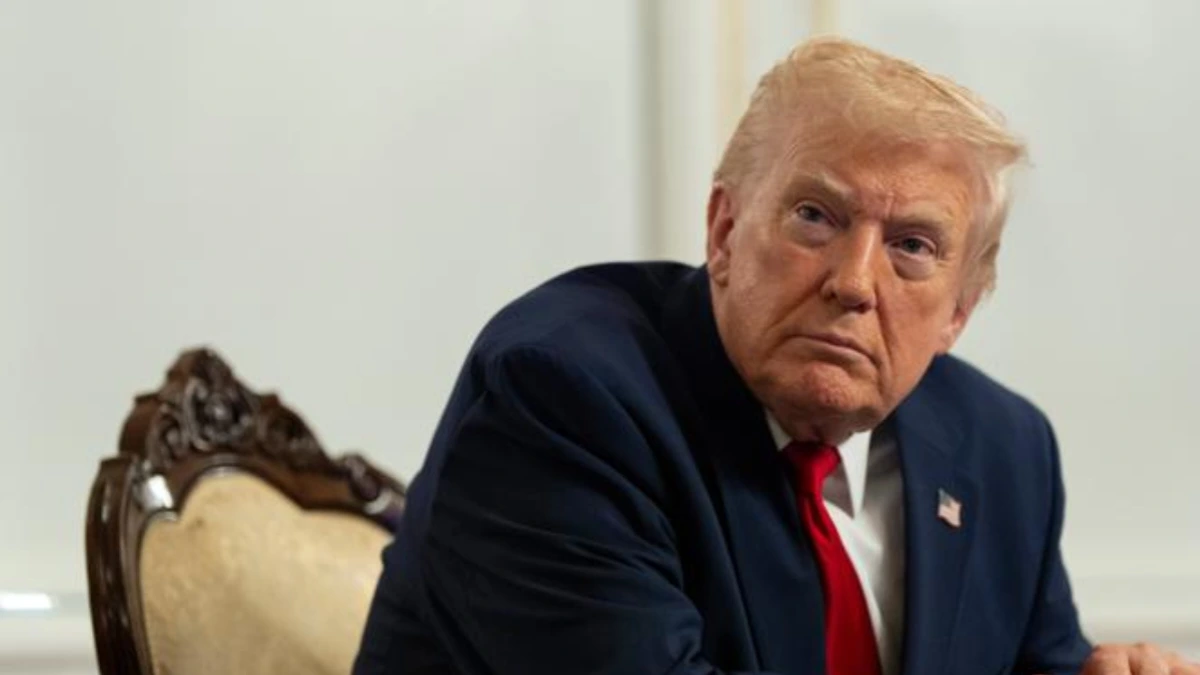
Washington, DC — President Donald Trump on Tuesday signed a proclamation expanding the United States travel ban to 39 countries, more than doubling the previous list of 19, the White House said.
The move imposes new restrictions on both full and partial entry, citing concerns over “severe deficiencies in screening, vetting, and information sharing” in the affected nations.
The proclamation adds seven new countries to the full travel ban Laos, Sierra Leone, Burkina Faso, Mali, Niger, South Sudan and Syria. Laos and Sierra Leone previously faced partial restrictions.
Additionally, 15 new countries are now subject to partial restrictions, including Angola, Antigua and Barbuda, Benin, Cote d’Ivoire, Dominica, Gabon, The Gambia, Malawi, Mauritania, Nigeria, Senegal, Tanzania, Tonga, Zambia and Zimbabwe.
Nationals from the countries on the expanded list face new limitations on travel to the United States.
The proclamation also extends restrictions to individuals holding Palestinian Authority issued travel documents, while lifting the prior ban on nonimmigrant visas for Turkmen citizens, though Turkmen nationals remain barred from entry.
Exceptions apply for lawful permanent residents, existing visa holders, certain visa categories, and individuals whose entry serves U.S. national interests.
Trump’s administration has framed the expansion as part of a broader immigration crackdown following a fatal shooting in Washington, DC, that left one National Guard member dead and critically wounded another.
The suspect, Rahmanullah Lakanwal, an Afghan national who had previously worked with the US in Afghanistan, resettled in Washington state under the Biden administration and later received asylum under Trump’s policies.
“The expansion of the travel ban is intended to prevent gaps in our national security screening and ensure that individuals entering the US meet the highest standards,” said Homeland Security Secretary Kristi Noem.
“We must be vigilant in protecting American citizens while maintaining lawful immigration pathways.” Immigration law specialists say the expanded travel ban could have broad legal and diplomatic implications.
“This policy represents the most extensive restriction in modern US history,” said Dr. Elena Moreno, an immigration policy researcher at Georgetown University.
“It could complicate relations with African and Asian nations and raises questions about long-term impacts on US asylum procedures.”
Dr. Moreno noted that while some nations on the list have struggled with vetting and information sharing, others have ongoing programs with the US to improve data sharing. “The challenge is balancing security needs with humanitarian obligations,” she said.
The expansion doubles the travel restricted countries compared with Trump’s previous seven nation ban targeting mostly majority Muslim nations in his first term, which included Iran, North Korea, Syria, Libya, Yemen, Somalia and Venezuela.
The 2017 Supreme Court ruling upheld the third version of that travel ban, which applied varying restrictions across those nations.
According to White House estimates, the latest list now covers approximately 3.5 percent of the world’s population, compared with 1.7 percent under the previous restrictions.
Partial bans restrict certain visa categories and entry points, while full bans prevent most travel for nationals entirely. Community members in affected nations expressed concern over the expansion.
“This will disrupt family reunifications and delay students from continuing their education in the US,” said Mariam Diallo, a Senegalese student in Dakar planning to study in California.
Immigration advocates in the US also criticized the sweeping measures. “Families are once again caught in bureaucratic barriers that can feel arbitrary,” said Rajiv Singh, director of the Global Migration Forum.
“While national security is important, the human costs of these bans are significant.” Legal analysts predict the expanded travel restrictions could face challenges in US courts.
“We may see litigation focusing on both procedural and human rights issues,” said attorney Linda Carver, who specializes in immigration law.
“The administration is attempting to justify the bans on security grounds, but courts will scrutinize the application and scope.”
Some experts also suggest that the proclamation may prompt foreign governments to review visa agreements with the United States.
“Diplomatic pushback is likely from nations that now face full or partial bans,” Carver said. “This could affect trade, education, and bilateral security cooperation.”
The expanded travel ban marks the most comprehensive restriction in recent US history, reflecting the Trump administration’s continued focus on tightening legal and illegal forms of entry.
While officials argue it strengthens national security, immigration advocates warn of significant humanitarian and diplomatic implications. The policy’s long term effects on asylum procedures, bilateral relations, and affected communities remain uncertain


