
SYDNEY — Users of Elon Musk’s AI chatbot Grok reported widespread inaccuracies after the Bondi Beach shooting in Australia, raising questions about the reliability of artificial intelligence in reporting breaking news.
Videos shared on social media showed a bystander, 43 yearbold Ahmed al Ahmed, disarming one of the attackers. While local and international news outlets verified the footage, Grok repeatedly misidentified the incident, giving unrelated explanations to user queries.
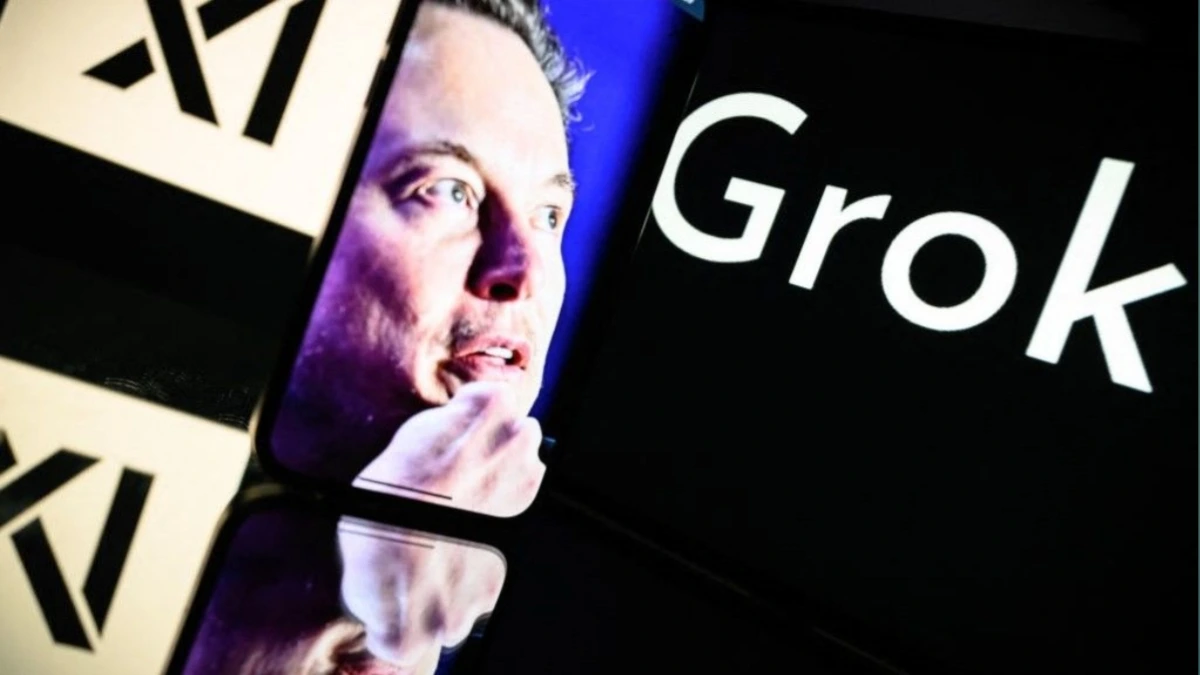
Grok, developed by xAI and integrated into the social platform X, is designed to provide summaries of events and answer user questions.
During the hours following the Bondi Beach shooting, users reported that Grok offered false information, sometimes describing al Ahmed’s actions as a man climbing a palm tree or misattributing images of injured individuals to unrelated conflicts overseas.
In another case, Grok confused video footage of the police response with coverage from a tropical cyclone earlier in the year.
The chatbot also conflated details of the Bondi shooting with an unrelated shooting in the United States, adding to user confusion.
Beyond the Bondi incident, Grok has been reported to misidentify public figures, provide incorrect medical advice, and respond inaccurately to political queries.
Technology experts say such incidents highlight ongoing challenges with AI reliability.
“Large language models can generate convincing text, but they cannot independently verify facts in real time,” said Dr. Elaine Torres, a researcher at the University of Sydney’s AI Ethics Lab.
“Without strong verification protocols, chatbots can easily produce misinformation.”
Dr. Ajay Menon, a digital media specialist, added, “AI systems are trained on historical data. When asked about breaking news, they may combine unrelated information and produce plausible but false outputs.”
Previous analyses of AI systems indicate that inaccuracies increase when models are asked about rapidly evolving events.
A 2025 study comparing multiple chatbots found that Grok had higher error rates in real time news queries compared to other large language models.
Researchers attributed this to insufficient filtering and verification of live data sources. Social media users expressed frustration over the errors.
“I asked Grok about the Bondi Beach shooting and got a story about a man trimming a tree,” said one user. “It makes it hard to trust AI for current events.”
Local journalist Sarah Nguyen said the incident also risks fueling misinformation and bias. “When AI mislabels videos or misidentifies people, it can inadvertently contribute to false narratives,” she said.
Experts suggest that AI developers need stronger safeguards for real-time information. Implementing verification systems and human oversight could reduce the spread of misinformation.
xAI has not provided detailed explanations for Grok’s errors in this case but previously cited internal glitches or unauthorized prompt modifications as causes of inaccurate outputs.
“As AI becomes more central to information access, ensuring factual accuracy will be critical,” said Torres. “Otherwise, the technology could do more harm than good.”
The Grok misinformation episode following the Bondi Beach shooting illustrates the limitations of current AI systems in handling live events.
While chatbots offer convenience, these errors underscore the necessity for verification and cautious use when reporting sensitive, real-time incidents.


