
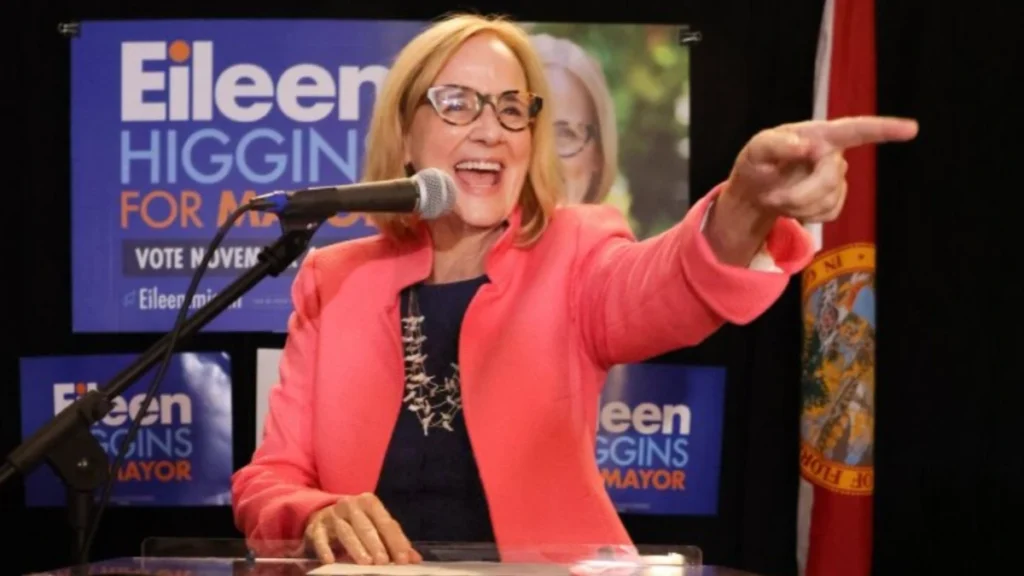
MIAMI — Democrat Eileen Higgins has won the mayoral race in Miami, becoming the first woman to lead the city and ending nearly three decades of Republican dominance.
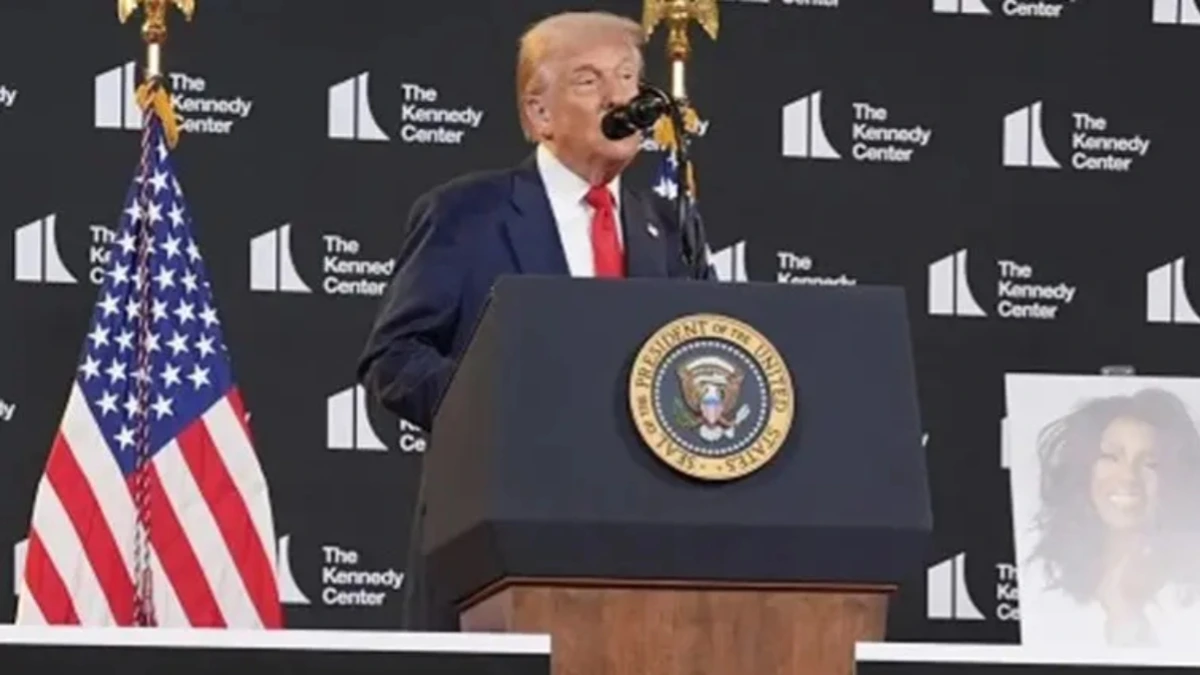
The election marked a notable political setback for former President Donald Trump, whose policies on immigration and law enforcement were central issues in the campaign.
Miami, a Hispanic majority city, has long leaned Republican in local elections, with Democrats struggling to break the party’s hold.
Higgins’ campaign focused on community engagement, affordable housing, and criticism of Trump’s hardline immigration policies.
Her victory reflects both demographic shifts and growing discontent among voters concerned about immigration enforcement and economic pressures.
Trump spent the day of the election in Pennsylvania on the first leg of his “Affordability Tour,” promoting his economic agenda.
During a rally in Mount Pocono, he dismissed concerns about rising living costs as a “hoax” and touted the success of his first ten months back in office.
He also repeated criticisms of undocumented migration policies and referenced military actions against alleged drug operations in Central America. Political analysts say Higgins’ victory signals a potential realignment in urban Florida politics.
“Miami’s electorate is changing, and candidates who address local concerns while differentiating from national Republican policies are resonating,” said Dr. Clara Rivera, a political science professor at the University of Miami.
Dr. Rivera noted that the mayoral outcome may not directly predict statewide elections but suggests that urban centers in Florida are increasingly receptive to Democratic candidates.
“Trump’s national profile might energize his base in rural areas, but urban voters are responding to issues like housing, migration, and city infrastructure,” she added.
Higgins secured 52 percent of the vote compared with 47 percent for her Republican opponent, marking the first Democratic mayoral victory in Miami since 1995.
Voter turnout was approximately 63 percent, up from 59 percent in the previous city election, highlighting increased engagement in a city where younger and Hispanic voters have steadily grown in influence.
Comparisons with other major Florida cities show a similar trend. In Tampa and Orlando, Democrats have made gains in local council races over the past two election cycles, particularly in districts with diverse populations.
Analysts say these trends could reshape Florida’s political landscape ahead of the 2026 midterms.
Residents and local business owners expressed a mixture of optimism and cautious expectation following the election results.
“I think Higgins will listen to the community in a way we haven’t seen in years,” said Carlos Mendoza, a small business owner in Little Havana. “Her focus on affordable housing and city services gives us hope.”
Others voiced concerns over potential political polarization. “I don’t always agree with the Democrats, but the city needs someone who can bring practical solutions,” said Ana Lopez, a longtime Miami resident.
It’s a chance for change, but also a challenge to unite different communities. Higgins will take office amid ongoing debates over city funding, housing affordability, and public safety.
Political analysts predict her administration may prioritize community based programs and a measured approach to migration related policies, contrasting with Trump era rhetoric.
Meanwhile, Trump’s presence in Florida politics remains influential. Though defeated in Miami, the former president continues to hold rallies and shape Republican discourse, particularly in suburban and rural counties.
Analysts suggest that both parties will closely watch Miami as a bellwether for future urban campaigns in Florida.
Eileen Higgins’ historic victory as Miami’s first Democratic mayor in nearly thirty years highlights shifting demographics and voter priorities in one of Florida’s largest cities.
While the election represents a setback for Trump in his home state, it also underscores broader trends in urban political engagement. Observers will continue to monitor how this outcome influences local governance and party strategies statewide.


