
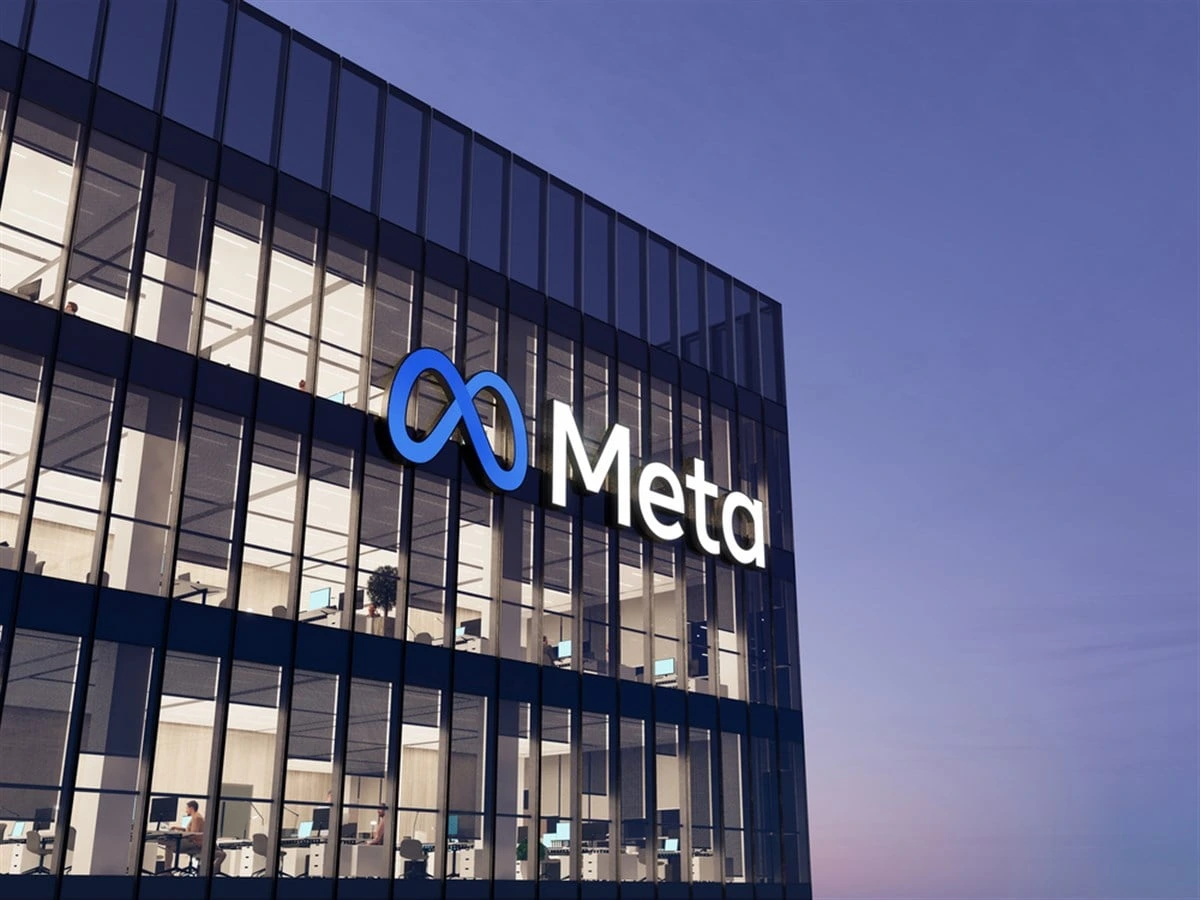
Meta stock climbed about four percent Thursday after a Bloomberg report said Chief Executive Mark Zuckerberg was preparing to make major cuts to the company’s metaverse operations.
The potential reductions, which sources told Bloomberg could reach as high as 30 percent, would mark the most significant pullback since Meta rebranded from Facebook in 2021 to emphasize its long term bet on immersive digital worlds.
The focus keyword “Meta stock climbs” is used throughout, as requested. Meta launched its metaverse initiative with bold promises three years ago, with Zuckerberg declaring that “the metaverse is the next frontier just like social networking was when we got started.”
The commitment reshaped the company, expanded its hardware ambitions and fueled Reality Labs’ rapid growth. But the transition proved costly.
Reality Labs, responsible for the Quest VR headsets and Ray-Ban and Oakley AI smart glasses, reported a $4.4 billion loss last quarter. The unit has lost more than $70 billion cumulatively since 2020, according to company filings.
Investors have long pushed Meta to rein in spending on the metaverse, especially as the company’s advertising business faced headwinds and broader tech sector cost pressures intensified.
Thursday’s report appeared to spark renewed optimism, with Meta stock climbs becoming a trending phrase across financial platforms.
Analysts said the proposed cuts signal a pragmatic shift without abandoning the metaverse entirely.
“Meta is recognizing that its decade long horizon for metaverse adoption needs to be balanced with today’s financial realities,” said Elaine Porter, a senior equity analyst at Synapse Research. “These reductions show discipline, not retreat.”
Mark Feldon, a former product strategist at a major VR hardware firm, said the company’s spending levels had been “unsustainable.”
He added that Meta stock climbs on reports of restraint because “investors want innovation, but they want fiscal accountability first.”
Still, some experts cautioned that steep cuts could slow Meta’s progress in a field it once sought to dominate.
“If Meta steps back too far, competitors in gaming and enterprise VR could seize the advantage,” said Ravi Chandra, an immersive technology consultant based in Seattle.
Meta is not alone in scaling back ambitious virtual world projects. Several gaming and tech companies have reduced VR and AR investments over the past two years as adoption lagged behind expectations.
Apple’s Vision Pro sales softened after an initial surge, leading to delays in next generation models. Microsoft curtailed its HoloLens expansion while shifting toward enterprise software tools.
Several metaverse themed blockchain platforms saw user activity fall sharply in 2024. Against that backdrop, this week’s Meta stock climbs narrative highlights investor desire for a more disciplined path forward.
Meta shares rose more than four percent intraday, outperforming the broader tech index, which was up just under one percent. Employees within Meta reacted to the news with both concern and resignation.
A senior engineer in Reality Labs, speaking on condition of anonymity because they were not authorized to discuss internal matters, said staff had anticipated cutbacks.
“Everyone knows the burn rate has been high. People are just hoping the layoffs, if they come, are handled transparently.” In Menlo Park, local business owner Carmen Ruiz described a mix of relief and uncertainty.
“When Meta stock climbs, it’s good for the community because employees spend more locally,” she said. “But if job cuts happen, small businesses near the campus could feel the impact.”
Tech workers outside Meta expressed muted sympathy. “The whole industry is recalibrating,” said David Lin, a software developer in San Jose. “Meta isn’t the only one trimming experiments that aren’t paying off yet.”
The reported reductions form part of Meta’s planning for its 2026 budgets, according to Bloomberg. If implemented, the cuts would likely include layoffs in hardware development, research labs and virtual reality engineering groups.
Yet Meta still appears committed to immersive technology. Updates to the Quest ecosystem and new AI enhanced smart glasses remain in the pipeline. Analysts expect the company to prioritize narrower, more commercially viable features rather than expansive virtual worlds.
“Meta stock climbs when investors believe the company is returning to fundamentals,” Porter said. “If Meta can balance AI growth, social platform stability and a leaner metaverse strategy, it may regain long-term credibility.”
The report of possible metaverse cuts signals a turning point for Meta as it weighs its costly ambitions against market expectations.
While Meta stock climbs on signs of tightened discipline, the long term trajectory of the company’s immersive technologies remains uncertain.
The coming months will show whether Meta can sustain investor confidence while reshaping a vision it once touted as the future of the internet.


