
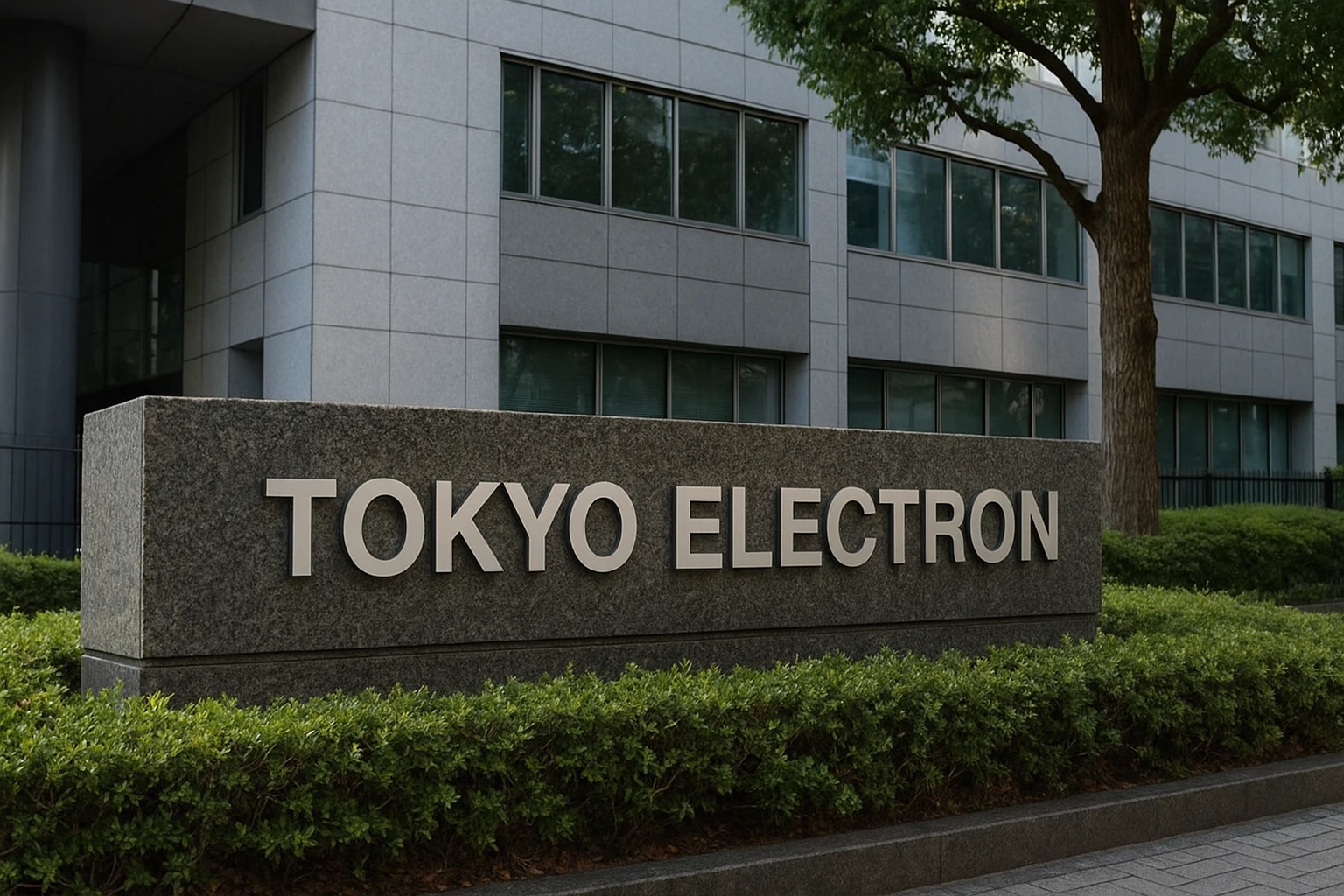
Taipei, Taiwan — Taiwan prosecutors charged Tokyo Electron’s Taiwan unit on Tuesday with violating the National Security Act and the Trade Secrets Act, marking the first corporate indictment under the nation’s national security law related to the alleged theft of critical technology trade secrets from semiconductor giant TSMC (2330.TW).
The indictment follows the August prosecution of a former employee, identified by the surname Chen, accused of conspiring to steal sensitive information on TSMC’s advanced 2 nanometer chip technology to benefit Tokyo Electron in supplier competitions. The prosecutors said the Taiwan unit could face fines of up to T$120 million, approximately $3.8 million, if convicted.
According to the prosecutors, after reviewing evidence and questioning the former employee and Tokyo Electron staff, the company failed to implement adequate preventive measures to supervise Chen.
“While the company had general internal rules and cautionary guidance, there was no evidence of concrete preventive or managerial measures,” the prosecutors said. “As a result, the company failed to take necessary steps to prevent the offense and bears corporate criminal liability under relevant provisions.”
Tokyo Electron, the Japanese parent company listed as 8035.T, issued a statement on Wednesday emphasizing that the parent entity was not indicted and the matter had no impact on its financial results.
“We deeply regret this matter, take it with the utmost seriousness and sincerely apologize for the considerable concern this has caused our stakeholders,” the statement said.
The company also said that the indictment does not allege organizational involvement in directing or encouraging the former employee to improperly obtain information.
Furthermore, no external leakage of the confidential information has been identified. “Our internal investigation confirmed no organizational involvement or leaks,” the statement added.
Industry experts say the indictment could signal a more aggressive approach by Taiwan authorities to protect its semiconductor industry, a cornerstone of the global technology supply chain.
“Taiwan has a national interest in safeguarding its semiconductor technologies, which are essential for both economic and national security,” said Dr. Lin Mei-hua, a professor of technology law at National Taiwan University.
“This case sets a precedent for corporate responsibility in supervising employees handling sensitive information.” Legal analysts noted that corporate liability under the National Security Act is rare.
“It is unusual for a company to face direct criminal charges for the actions of a single employee,” said Alex Chou, a Taipei based corporate lawyer. “It underscores the expectation that firms proactively prevent any access or misappropriation of critical technology.”
Taiwan is home to the world’s leading semiconductor manufacturer, TSMC, which produces chips for Apple, Nvidia, and major tech companies. Its 2 nanometer process represents the cutting edge of chip manufacturing and is considered highly sensitive intellectual property.
Over the past five years, Taiwan has prosecuted fewer than ten cases of trade secret theft involving semiconductor technology, illustrating the rarity of corporate indictments under national security legislation.
Tokyo Electron is one of the world’s largest semiconductor equipment suppliers, with global revenue exceeding $20 billion in recent years. Its Taiwan unit primarily provides equipment and services to chip manufacturers on the island.
Local industry stakeholders expressed concern over potential impacts on business relationships and market trust.
“Taiwan’s semiconductor industry relies heavily on trust and strict confidentiality. Any hint of technology leakage could affect international partnerships,” said Chen Wei, a manager at a semiconductor equipment firm in Hsinchu Science Park.
Meanwhile, employees at Tokyo Electron’s Taiwan unit, speaking on condition of anonymity, said internal compliance programs have been intensified following the indictment.
We have new monitoring systems and tighter auditing processes. The company wants to prevent any incident like this from happening again, one staff member said.
Experts predict heightened scrutiny of corporate compliance in Taiwan’s semiconductor sector, especially for foreign companies operating in sensitive technology areas.
“Expect regulators to demand stronger preventive measures and continuous monitoring of employees with access to trade secrets,” said Lin Mei-hua. “This case could influence global suppliers who work with Taiwanese chipmakers.”
Tokyo Electron has pledged to reinforce its information security framework, including round the clock monitoring and stricter audits across its group, particularly at the Taiwan unit. Analysts say these measures could mitigate reputational damage but may not shield the company from fines if found liable.
The indictment of Tokyo Electron’s Taiwan unit highlights Taiwan’s commitment to protecting its critical semiconductor technologies and holding companies accountable for internal oversight failures.
While the parent company and broader operations remain unaffected, the case serves as a warning to multinational firms handling sensitive intellectual property in highly regulated sectors.


