
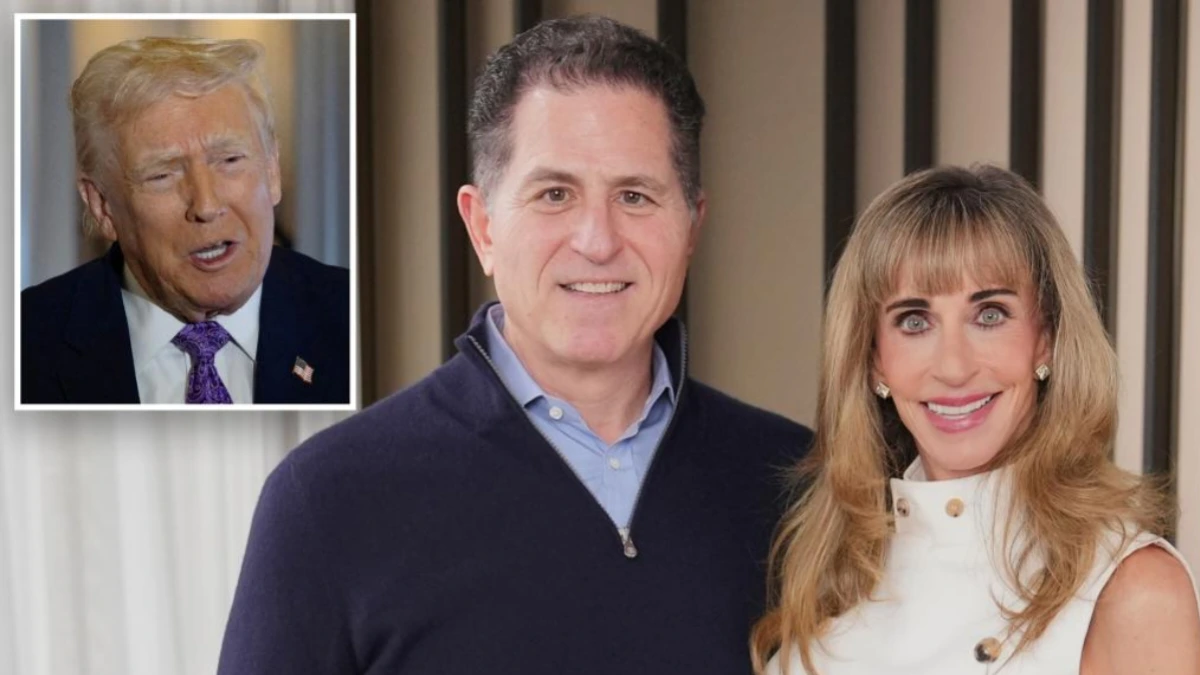
Michael and Susan Dell have pledged $6.25 billion to fund investment accounts for at least 25 million American children, marking one of the largest charitable donations in the nation’s recent history.
The funds will support so called “Trump Accounts,” a program set to launch in 2026, which allows parents to manage investment accounts on behalf of their children.
The donation comes after President Donald Trump proposed the initiative this summer as part of his “One Big Beautiful Bill Act,” designed to provide early financial resources for US children.
According to the Treasury Department, every US citizen child born between January 2025 and January 2029 will automatically receive $1,000 in their account, while the Dells’ contribution will fund $250 deposits for children ages 10 and under who were born before the government’s funding cut off.
“If there’s one investment that never stops growing, it’s investing in children. They are our future,” the Dells said in a joint statement.
“From our years of experience in supporting education, health and financial stability programs, we know that this program will give young Americans more than a savings account. It will give them momentum. It will give them confidence and opportunity.”
The “Trump Accounts” initiative was unveiled in June during a White House event where Trump outlined the benefits of providing early financial support for children.
The accounts aim to give families a flexible tool to manage savings or investments, encouraging long term financial planning from a young age.
Michael Dell, CEO of Dell Technologies and the 11th richest person globally according to Bloomberg’s Billionaires Index, has previously donated $2.9 billion through the Michael & Susan Dell Foundation. The latest pledge more than doubles their total giving to date.
Economists say the initiative represents a significant public private partnership, combining federal funding with private philanthropic contributions to reach a broad demographic of US children.
Financial analysts note that while large scale donations to children’s savings programs are rare, the model could have long term economic benefits.
“Programs like these can instill a habit of saving and investing early in life, which may lead to greater financial literacy and stability as these children grow,” said Laura Chen, a professor of economics at Georgetown University.
“However, the impact will depend on accessibility, financial education for families, and the management of the accounts over time.”
Critics, however, have expressed concern over naming the accounts after a sitting president, arguing that it could politicize an otherwise nonpartisan initiative.
The effectiveness of these accounts should be judged by outcomes, not by branding, said David Morales, a senior fellow at the Brookings Institution.
The Dells’ $6.25 billion donation will fund $250 deposits for at least 25 million children, translating to more than $6 billion in new investment capital for minors who would not otherwise benefit from the Treasury’s funding.
By comparison, similar child savings programs in other countries, such as Canada’s Registered Education Savings Plans, provide government matched contributions but on a smaller scale and more targeted basis.
The US Treasury’s planned $1,000 funding for children born between 2025 and 2029 underscores the federal commitment to supporting early financial growth.
Combined with private contributions, analysts suggest this initiative could represent the largest single investment in children’s accounts in US history.
Families and educators have expressed cautious optimism about the initiative. Jennifer Alvarez, a school counselor in Dallas, Texas, said, “Any program that helps kids start their financial journey early is a positive step.
It also gives parents a chance to engage their children in learning about money and investments.” Parents echoed similar sentiments.
“Even a small deposit can make a difference over time,” said Michael Nguyen, father of two young children in Los Angeles. “It’s encouraging to see private philanthropists supporting programs that benefit everyday families.”
The Dells’ donation is scheduled to begin disbursing in 2026 alongside the official launch of the Trump Accounts. Experts note that the program’s success will depend on ongoing oversight, financial education, and participation rates among families.
Financial planners also emphasize that early exposure to investing could yield substantial benefits if accounts are managed wisely.
“Compound growth over a decade or more can significantly increase a child’s financial resources,” said Chen. “This is not just about money it’s about opportunity and teaching lifelong skills.”
Legislators are expected to monitor the program’s rollout closely, particularly as additional private contributions and federal funding converge.
The Treasury Department has indicated it will release guidelines for parents to access and manage the accounts safely.
Michael and Susan Dell’s $6.25 billion pledge marks a historic commitment to supporting American children through early financial investment.
By funding Trump Accounts for millions of minors, the initiative combines private philanthropy and federal funding to create new opportunities for savings and growth.
As the program prepares to launch in 2026, educators, parents, and analysts will watch closely to evaluate its impact on the next generation’s financial literacy and long term stability.


