
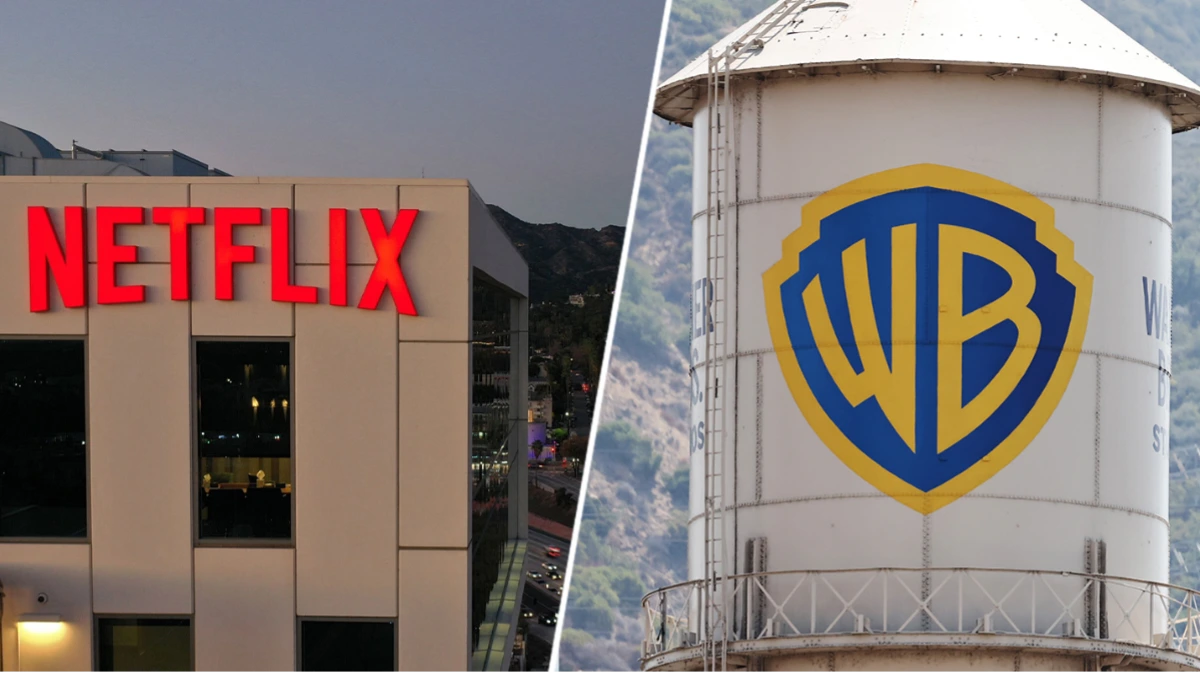
LOS ANGELES — Media company Warner Bros Discovery received a revised offer this week from streaming giant Netflix in a binding second round of bids that could unlock a sale within days or weeks, a person familiar with the matter told Reuters on Monday.
The Netflix offer is mostly cash and stands alongside competing bids from Paramount Skydance and Comcast for all or part of the company.
Warner Bros Discovery’s board earlier rejected a preliminary bid from Paramount Skydance of roughly twenty four dollars per share, valuing the company at about sixty billion dollars.
At that time the board said it would explore strategic options including a sale. This week’s development comes as Warner Bros Discovery asked interested parties to submit improved offers by December one.
According to the source, bankers for Paramount Skydance, Comcast and Netflix worked over the weekend to revise their proposals.
Bids now are binding, meaning the board could approve a deal quickly if terms align, though none of the proposals were described as final. Netflix and Warner Bros Discovery declined to comment.
The potential deal represents a fresh wave of consolidation in the media industry following the recent merger of Skydance Media and Paramount Global, a transaction valued at eight point four billion dollars.
Media analysts say the Netflix cash heavy bid underlines the streaming platform’s urgency to expand its portfolio and diversify holdings beyond its in‑house content catalog.
“Netflix is signaling that it wants more control over content libraries and production infrastructure,” said Laura Chen, a senior analyst at Boswell Media Advisory in New York.
Acquiring all or part of Warner Bros Discovery would give Netflix access to established franchises and a vast content vault, which could reshape the streaming competitive landscape.
Chen noted that a mostly cash offer might appeal to the Warner Bros Discovery board because it reduces execution risk compared with deals that rely heavily on stock swaps or complex equity arrangements.
Another expert, former studio executive Marcus Rivera, said that while Netflix may benefit from scale, it also faces challenges integrating a legacy studio.
“Merging corporate and creative cultures is rarely seamless. Netflix would need to manage talent, contracts and legacy obligations carefully,” Rivera said.
Under the earlier Paramount Skydance bid of nearly twenty four dollars per share, the company was valued at about sixty billion dollars.
If Netflix’s revised offer matches or exceeds that valuation in cash terms, the price could be comparable or higher.
By contrast, many industry investors had valued Warner Bros Discovery at a lower premium given uncertainties over streaming profitability and the competitive pressures from streaming rivals.
The proposed deal would mark one of the largest media acquisitions since the Skydance Paramount merger. The combined Skydance Paramount entity completed its merger after rigorous political scrutiny and shareholder concerns.
A potential Netflix Warner deal would further consolidate content creation and distribution under fewer corporate umbrellas.
Employees at Warner Bros Discovery studios say speculation over the sale has injected both hope and anxiety into offices and production lots across Los Angeles and Atlanta.
One mid level production staffer, who requested anonymity given the sensitivity, said There’s excitement at the idea of joining forces with Netflix but also uncertainty over what that means for contracts, projects and job security.
Meanwhile smaller production companies that work with Warner Bros Discovery worry disruption could ripple through the industry.
“If a Netflix takeover happens we could see some production slates delayed or cancelled as they reassess priorities,” said Jordan Patel, chief operating officer of indie studio Morning Light Films. “That will hit independent contractors and smaller outfits hard.”
If the board of Warner Bros Discovery accepts Netflix’s mostly cash proposal, the acquisition process could conclude rapidly potentially within weeks.
But analysts caution obstacles remain. Regulatory review is possible, particularly given increased media consolidation and potential antitrust scrutiny.
Additionally, integrating two large companies with different cultures and businesses legacy cable networks, streaming platforms, film studios, international distribution will require careful planning and execution.
Moreover, even after a deal closes, Netflix will face the challenge of managing legacy obligations, including union contracts, long term studio commitments and global production pipelines all while attempting to preserve the agile, data driven content model that defines its brand.
Netflix’s revised binding bid for Warner Bros Discovery signals a dramatic potential shift in the media landscape.
With the auction possibly concluding in the near term, a sale would further concentrate content creation and distribution power under major streaming and media platforms.
Whether that ultimately benefits audiences, creators or the broader industry will depend on how well the merging entities navigate corporate integration, regulatory oversight and shifting consumer demands.
In the coming days market watchers will be closely watching what the Warner Bros Discovery board decides and how any deal will reshape the contours of a media world increasingly defined by consolidation.


