
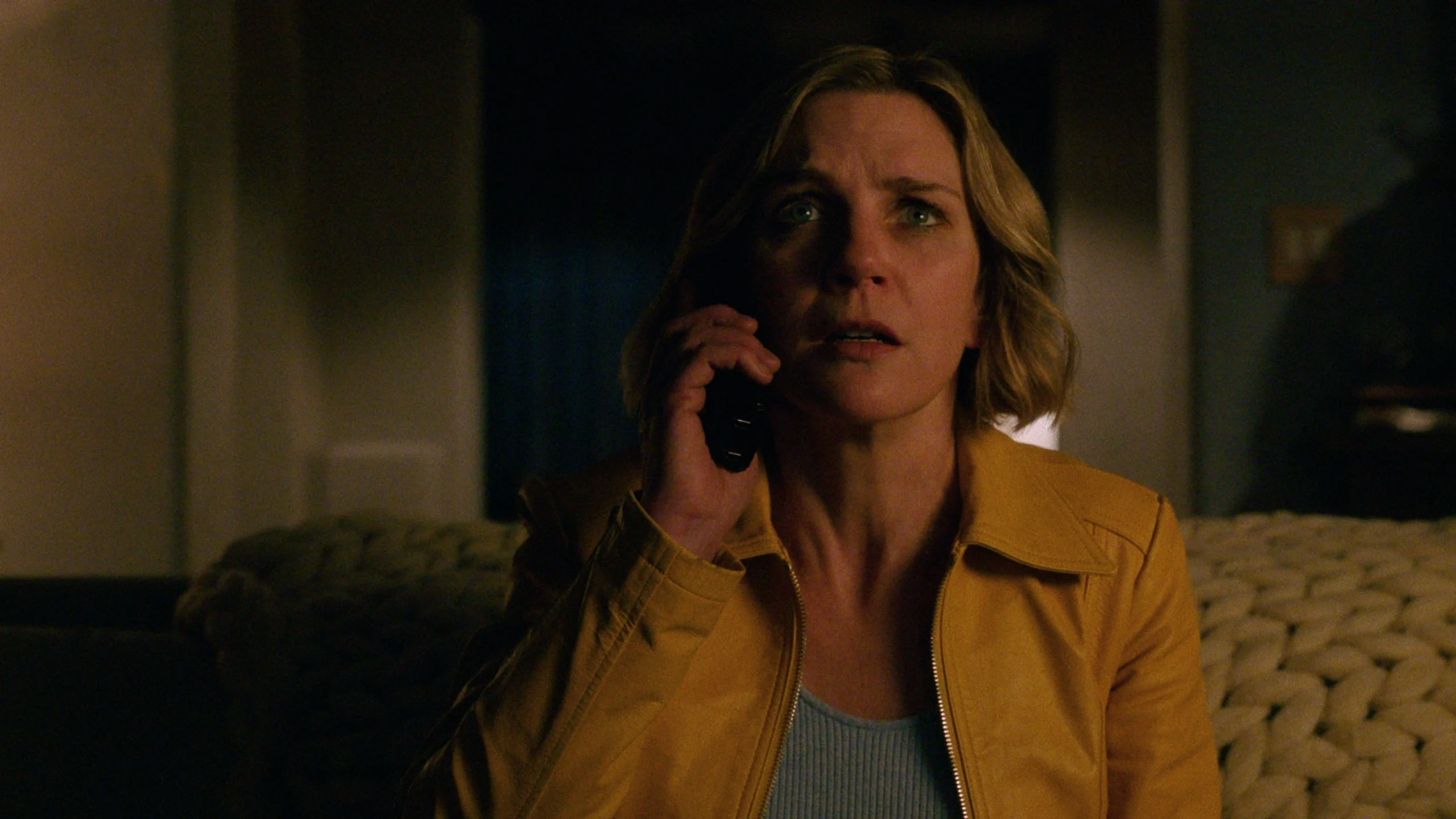
LOS ANGELES — Apple TV’s latest original series Pluribus marks a striking return for Breaking Bad and Better Call Saul creator Vince Gilligan, pairing him once again with acclaimed actress Rhea Seehorn in a project that defies conventional television genres.
The nine episode series, which premiered Friday, offers a mix of science fiction, dark comedy, and emotional drama, positioning Seehorn at the center of a story that examines human connection in an increasingly artificial world.
Critics have described Pluribus as both “funny and unnerving,” highlighting Seehorn’s performance as Carol Sturka, a novelist confronting a reality transformed by mysterious forces from space. Early reviews suggest the show could emerge as one of Apple TV’s most distinctive original dramas this year.
Gilligan’s return to television outside the Breaking Bad universe has been met with anticipation and scrutiny. His last major creation, Better Call Saul, earned wide critical acclaim and multiple Emmy nominations but concluded without a single win for Seehorn despite years of praise for her portrayal of attorney Kim Wexler.
In Pluribus, Seehorn leads a new ensemble cast that includes Miriam Shor and a number of Gilligan’s long time collaborators behind the camera. The series is Gilligan’s first original work since Battle Creek in 2015 and represents his first creative partnership with Apple TV.
The show’s premise begins with a cryptic message from space that alters the behavior of humanity, leaving Carol among the few seemingly unaffected. As she navigates the bizarre aftermath, Pluribus unfolds as an exploration of authenticity, individuality, and the digital illusion of togetherness.
Television critic Dana Feldman described Pluribus as “a haunting reflection of how technology connects and isolates us in equal measure.” Feldman added that the show’s pacing and ambiguity “mirror the confusion of living in an era where reality often feels algorithmically curated.”
Media analyst Robert Hensley of the University of Southern California said the series demonstrates Apple TV’s growing willingness to take risks with auteur-driven storytelling.
“Gilligan has earned the freedom to experiment,” Hensley said. “Pluribus doesn’t hand audiences easy answers, but it rewards attention in a way that few network or streaming dramas attempt anymore.”
Industry insiders noted that Apple TV’s marketing strategy shrouding plot details in secrecy has helped generate intrigue. “In an age of spoiler culture, that’s a bold move,” said entertainment consultant Lara Mendel. “The lack of transparency could backfire for casual viewers, but it’s clearly working among serious fans of Gilligan’s work.”
Early metrics from entertainment analytics firm Parrot Insight show that Pluribus ranked among Apple TV’s top three most anticipated series of the fall, alongside Silo and Slow Horses.
Viewer sentiment data tracked on launch day reflected a 92 percent positive response to Seehorn’s performance, according to social media monitoring service ListenFirst.
The series’ tone and visual design draw clear comparisons to Gilligan’s earlier work, though Pluribus shifts from crime drama to existential science fiction. Much of the same production team returned, including cinematographer Marshall Adams and composer Dave Porter.
Apple TV’s investment in Pluribus aligns with its recent push into high concept storytelling, following series such as Severance and Foundation.
Media researchers point out that Apple’s strategy emphasizes quality over volume, positioning Pluribus as both prestige entertainment and a potential awards contender.
In Albuquerque, where Pluribus was filmed, residents expressed excitement about the city once again serving as a backdrop for a Gilligan project.
“After Breaking Bad, people still visit to see the filming spots,” said local business owner Luis Ortega. “Now with Pluribus, we’re getting that energy back. It’s great for tourism.”
Fans also praised Seehorn’s range in portraying Carol Sturka. “She can make a quiet moment feel as powerful as an explosion,” said film blogger Heather Liu. “This role lets her show everything from heartbreak to absurd comedy in the same scene.”
Meanwhile, some viewers voiced mixed feelings about the show’s pacing. “It’s confusing at first, but that’s the point,” said local viewer Jamal Robertson. “You’re supposed to feel lost, like the character does. By the end, it hits hard.”
Apple TV has already ordered a second season of Pluribus, signaling confidence in both Gilligan’s creative vision and Seehorn’s star power.
Television experts predict the show will be campaigned as a drama at the Emmy Awards, despite its comedic and science fiction elements.
“Genre fluidity is one of its strengths,” said critic Sarah Nolan. “But it may complicate awards classification. Still, Seehorn is almost guaranteed another round of Emmy buzz.”
Industry observers believe Pluribus could influence how streaming platforms balance artistic experimentation with mainstream appeal. If successful, it may encourage other networks to take similar creative risks with established showrunners.
Pluribus stands as a bold, unpredictable entry in Apple TV’s expanding lineup, blending humor, mystery, and melancholy under Vince Gilligan’s meticulous direction. Rhea Seehorn delivers a commanding performance that anchors the show’s shifting tones and elusive narrative.
For audiences seeking a character driven exploration of modern alienation through the lens of speculative fiction, Pluribus offers an experience that’s as thought provoking as it is disorienting another testament to Gilligan’s enduring ability to redefine television storytelling.


