
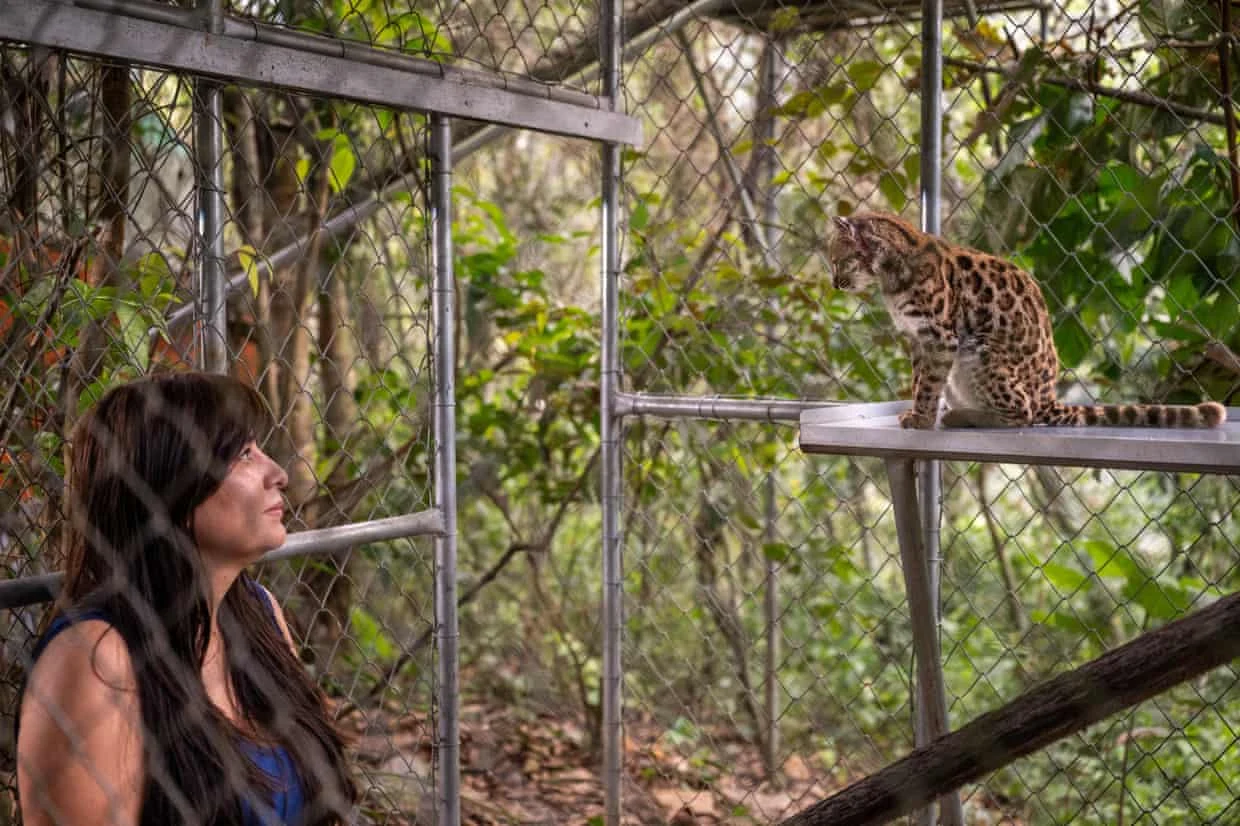
Scientists have formally identified a previously unknown wild cat species in Bolivia’s Yungas forest, marking the first description of a new living cat species in more than a century.
Known locally as Tilcayo, the small spotted feline is about 45–46 centimeters long and weighs roughly 1.3–1.4 kilograms. Its light-brown coat carries irregular dark rosettes, while its size is smaller than that of an average domestic cat.
The investigation began after biologist and National Geographic Explorer Paola Nogales-Ascarrunz encountered an unusual animal at Bolivia’s Senda Verde wildlife sanctuary.
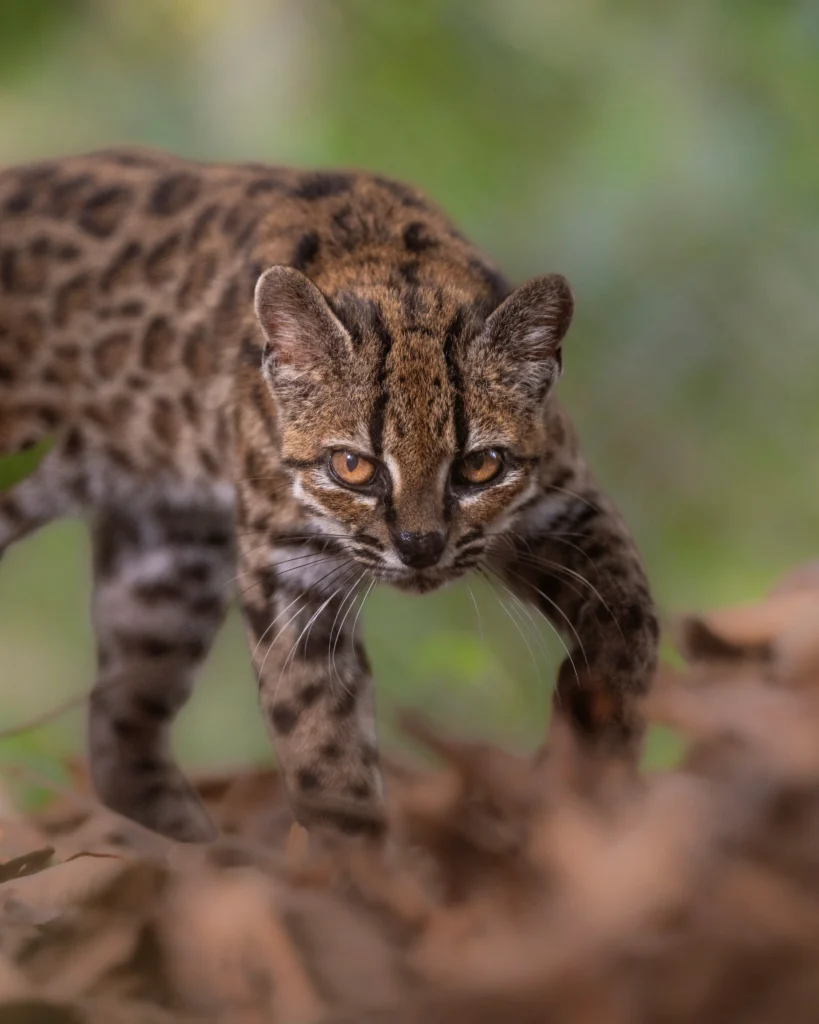
A local resident had found it as a kitten near a forest road and initially believed it was a domestic cat. Its appearance initially suggested the tiger cat Leopardus tigrinus, but differences in its markings raised questions.
Later genomic work provided stronger evidence that the Bolivian animal represented a separate evolutionary lineage.
Researchers compared genetic material from 38 cats across the Leopardus genus, including museum specimens. The analysis placed L. tilcayo apart from other tiger cats, with its lineage estimated to have separated about 1.4 million years ago.
The study, published in Current Biology, also recognizes a new tiger cat subspecies in Peru’s Yungas: Leopardus tigrinus antisuyo. The findings expand the tiger cat group to five genetically distinct species.
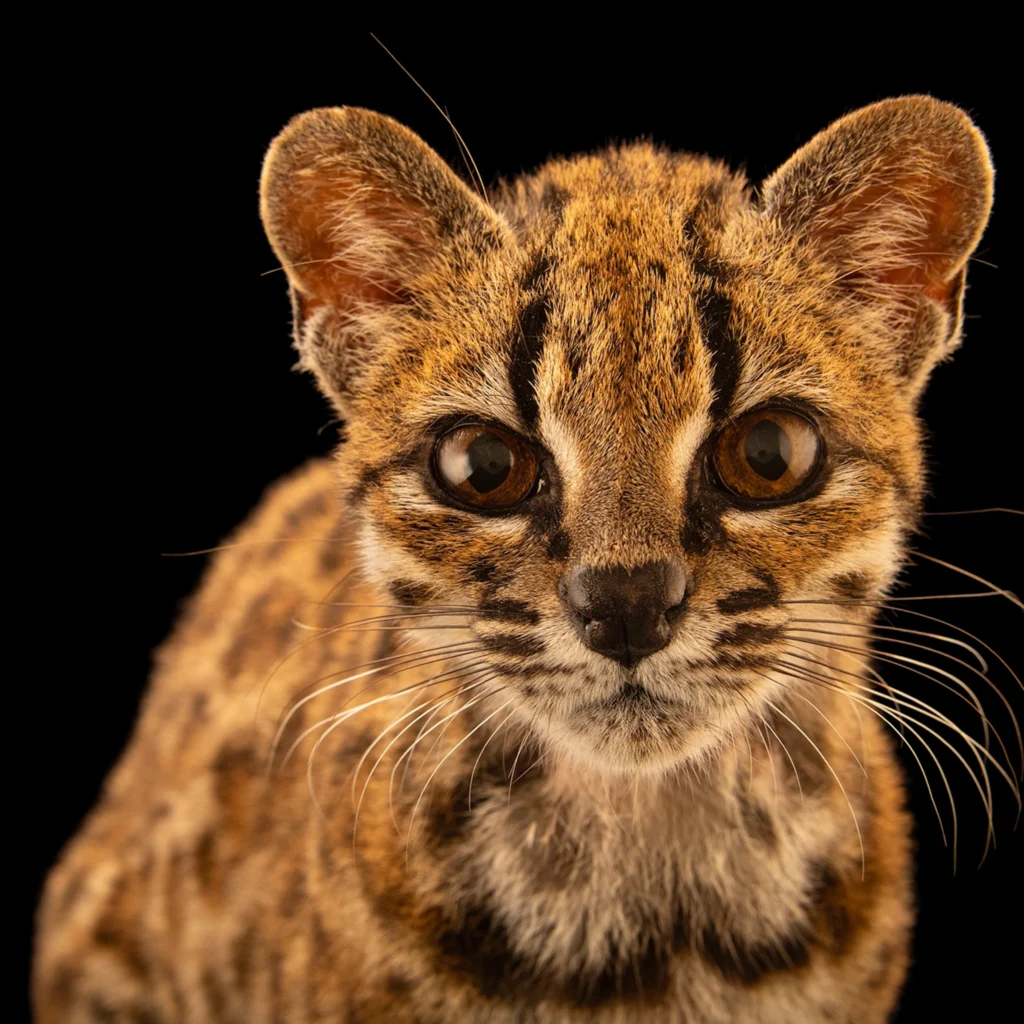
Scientists currently know little about the Tilcayo’s population, reproduction or broader behavior.
Scat containing small-rodent remains and camera-trap observations provide early indications that it may hunt rodents and be active at night.
The Yungas forests face pressure from deforestation, agricultural expansion, fires and mining.
Researchers have shared their findings with the International Union for Conservation of Nature, which is expected to assess the newly separated lineages individually.
A separate assessment could provide a clearer picture of the risks facing each population, particularly because the number of wild Tilcayos remains unknown.


