
SUMMARY
- US/Iran talks in Oman are focused primarily on the nuclear issue, with scope still disputed
- Iran faces domestic economic pressure as negotiations resume
- Regional and European actors are closely monitoring the process
Indirect talks between United States and Iranian officials began in Oman on Thursday as both sides test a diplomatic opening aimed at easing tensions over Iran’s nuclear program and broader regional stability.
The US/Iran talks in Oman mark the first structured engagement between the two governments in months, following escalating rhetoric and military posturing.
The discussions are being facilitated by Omani officials in Muscat, a venue long used for discreet diplomacy between Washington and Tehran.
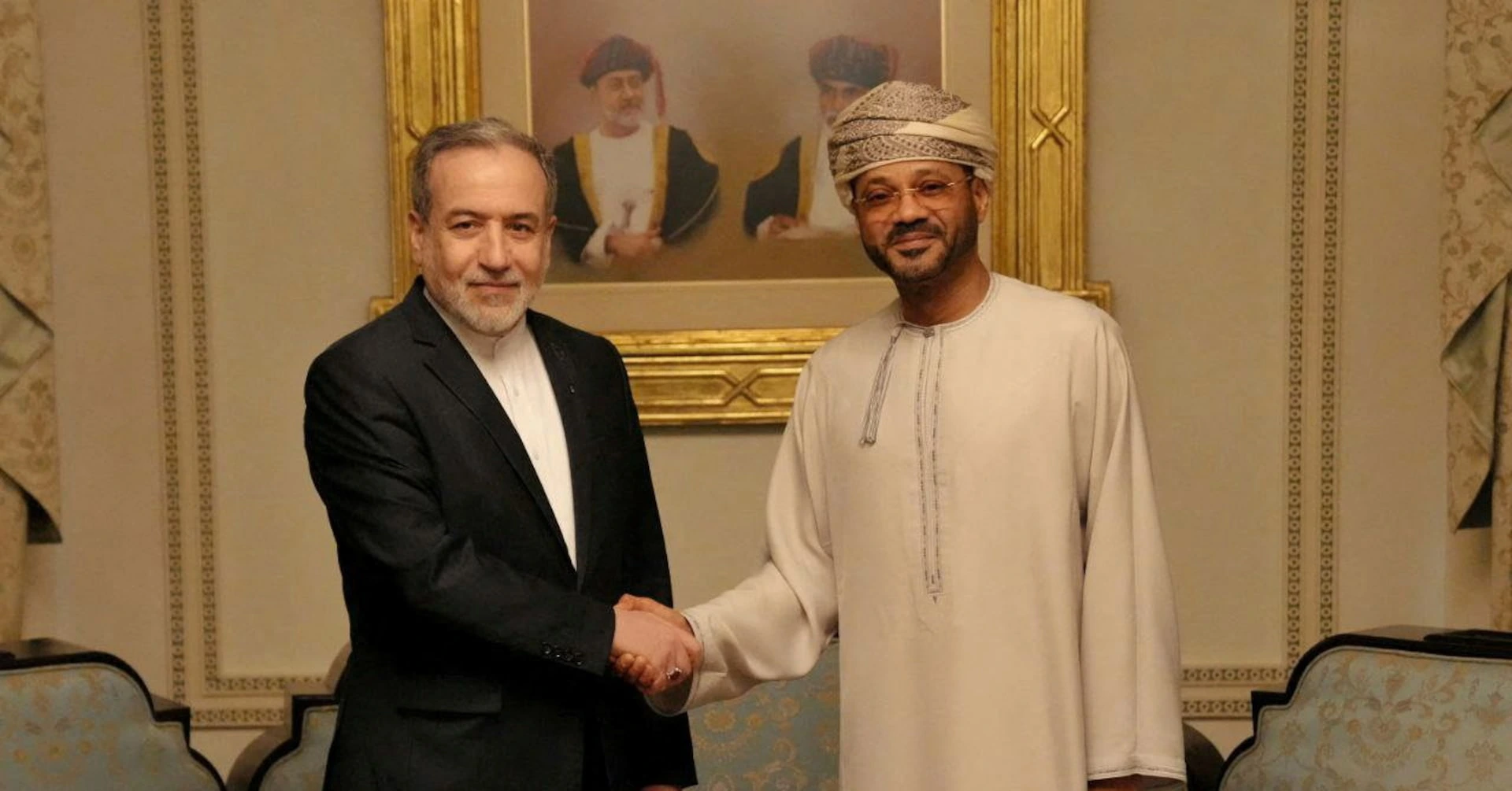
Iranian Foreign Minister Abbas Araghchi traveled to Muscat for the talks, while US participants include senior advisers Steve Witkoff and Jared Kushner, according to Iranian and US officials.
Tehran says the goal is a “fair, mutually satisfactory and honorable agreement regarding the nuclear issue,” according to an Iranian Ministry of Foreign Affairs spokesperson.
The Trump administration has signaled interest in expanding the agenda beyond nuclear limits, an approach Iran has publicly rejected.
Previous negotiations collapsed after the United States withdrew from the two thousand fifteen nuclear deal and reimposed sanctions.
Abas Aslani, a senior research fellow at the Tehran based Centre for Middle East Strategic Studies, said Iran’s leadership faces mounting economic pressure from inflation and public protests.
“Time matters for Tehran because economic hardship is weighing on the public,” he said. However, Aslani added that Iranian officials do not view participation in US/Iran talks in Oman as a concession.
He said Tehran believes pressure tactics failed to force negotiations on American terms.
German Chancellor Friedrich Merz said Thursday that regional concern over Iran remains high.
Speaking in Abu Dhabi, Merz said European and Gulf leaders are urging Tehran to return to negotiations and halt its nuclear activities.
Ali Hashem, reporting from Tehran for Al Jazeera, said early indications suggest “gaps are being bridged,” with both sides presenting frameworks to Oman’s foreign minister.
An Iranian diplomat familiar with the talks said the atmosphere was “serious but controlled.”
Officials on both sides say it remains unclear whether US/Iran talks in Oman will transition to direct negotiations. Any shift would depend on early confidence building steps and agreement on scope.
The opening of US/Iran talks in Oman underscores cautious diplomatic movement amid persistent mistrust, with regional stability and nuclear nonproliferation hanging on measured progress.
NOTE! This article was generated with the support of AI and compiled by professionals from multiple reliable sources, including official statements, press releases, and verified media coverage. For more information, please see our T&C.


