
KEY POINTS
- US tariffs on Indian goods reduced to 18% from 50% punitive 25% duties rescinded.
- India commits to buy over $500 billion in US energy, technology, and agricultural products.
- Move is part of broader US India strategy to reduce reliance on Russian oil and diversify global energy sources.
WASHINGTON — US President Donald Trump on Monday announced a trade agreement with India that reduces tariffs on Indian goods to 18 percent from 50 percent, following months of tense negotiations over India’s energy imports.
The deal requires India to limit purchases of Russian oil while buying more energy, technology, and agricultural products from the United States, according to White House officials.
The agreement represents a significant shift in US India trade relations, easing a major source of tension and opening the door for increased economic cooperation.
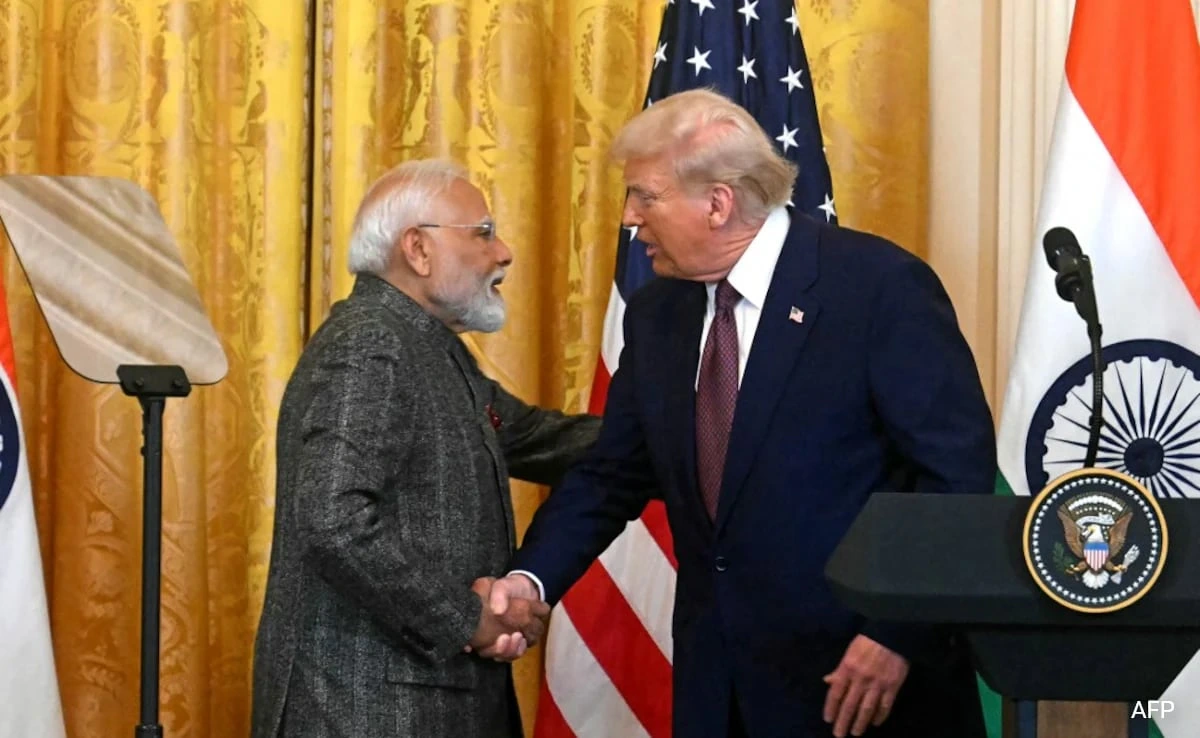
President Trump framed the decision as a gesture of friendship toward Indian Prime Minister Narendra Modi, emphasizing reciprocal benefits for both nations.
The announcement follows months of high stakes discussions on energy security and trade balances between the two largest democracies.
The US first imposed tariffs on Indian imports amid concerns over New Delhi’s continued purchases of Russian crude oil, which Washington sought to curb following international sanctions on Moscow after the Ukraine invasion in 2022.
In August 2025, Trump doubled duties on Indian goods to 50 percent. The punitive 25 percent tariff was layered on top of a 25 percent reciprocal tariff on US products, creating heightened trade friction.
India has historically relied on imported oil to meet nearly 90 percent of its domestic demand, with Russian crude offering a lower cost alternative.
Trade analysts said the deal signals a strategic recalibration in global energy flows.
“Reducing tariffs to 18 percent is likely to revive investor confidence in Indian equities and support US exporters,” said Ramesh Kumar, senior economist at the Indian Council for Research on International Economic Relations.
Jane Thompson, director of international trade policy at the Center for Strategic and International Studies in Washington, added, “The agreement aligns with US objectives to limit Russian energy influence in Asia while securing new markets for American technology and agricultural products.”
Market reactions reflected optimism. Shares of US listed Indian companies rose sharply after the announcement, including Infosys, Wipro, and HDFC Bank, signaling potential growth in bilateral trade flows.
| Metric | Previous Level | Current / Projected Level | Notes |
|---|---|---|---|
| U.S. tariff on Indian goods | 50% | 18% | Inclusive of punitive 25% duty removal |
| India’s Russian oil imports | 1.2 million bpd (Jan 2026) | 1.0 million bpd (Feb 2026) | Projected decline continues to 800,000 bpd in March |
| U.S. exports to India | $X billion (2025) | $500 billion+ commitment | Covers energy, technology, agriculture |
Prime Minister Modi praised the deal on social media. “Wonderful to speak with my dear friend President Trump today. Delighted that Made in India products will now have a reduced tariff of 18 percent,” he said.
White House Trade Adviser Peter Navarro emphasized the strategic importance. “This deal ensures energy security for India while protecting US jobs and industries,” Navarro said.
Industry leaders in India noted immediate market benefits. “Lower tariffs will improve competitiveness of our IT and manufacturing exports,” said Salil Parekh, CEO of Infosys.
Analysts anticipate increased bilateral trade, particularly in energy and technology sectors. India’s gradual shift away from Russian crude may accelerate, potentially incorporating Venezuelan oil.
Which the US is promoting as a substitute. Monitoring of implementation will be critical to ensure compliance with tariff reductions and energy purchases.
The US India trade deal marks a pivotal moment in international commerce, easing prior tariff conflicts and creating pathways for expanded economic engagement.
By linking tariff reductions to energy sourcing commitments, both nations aim to strengthen strategic ties while mitigating regional and global market risks.
NOTE! This article was generated with the support of AI and compiled by professionals from multiple reliable sources, including official statements, press releases, and verified media coverage. For more information, please see our T&C.


