
SUMMARY
- Trump said reports that senior General Dan Caine raised risks of attacking Iran are inaccurate.
- The Washington Post and Axios reported Caine warned about munitions shortfalls, allied support gaps and casualty potential.
- Trump’s military buildup in the Middle East has raised regional tensions and prompted caution from some US officials.
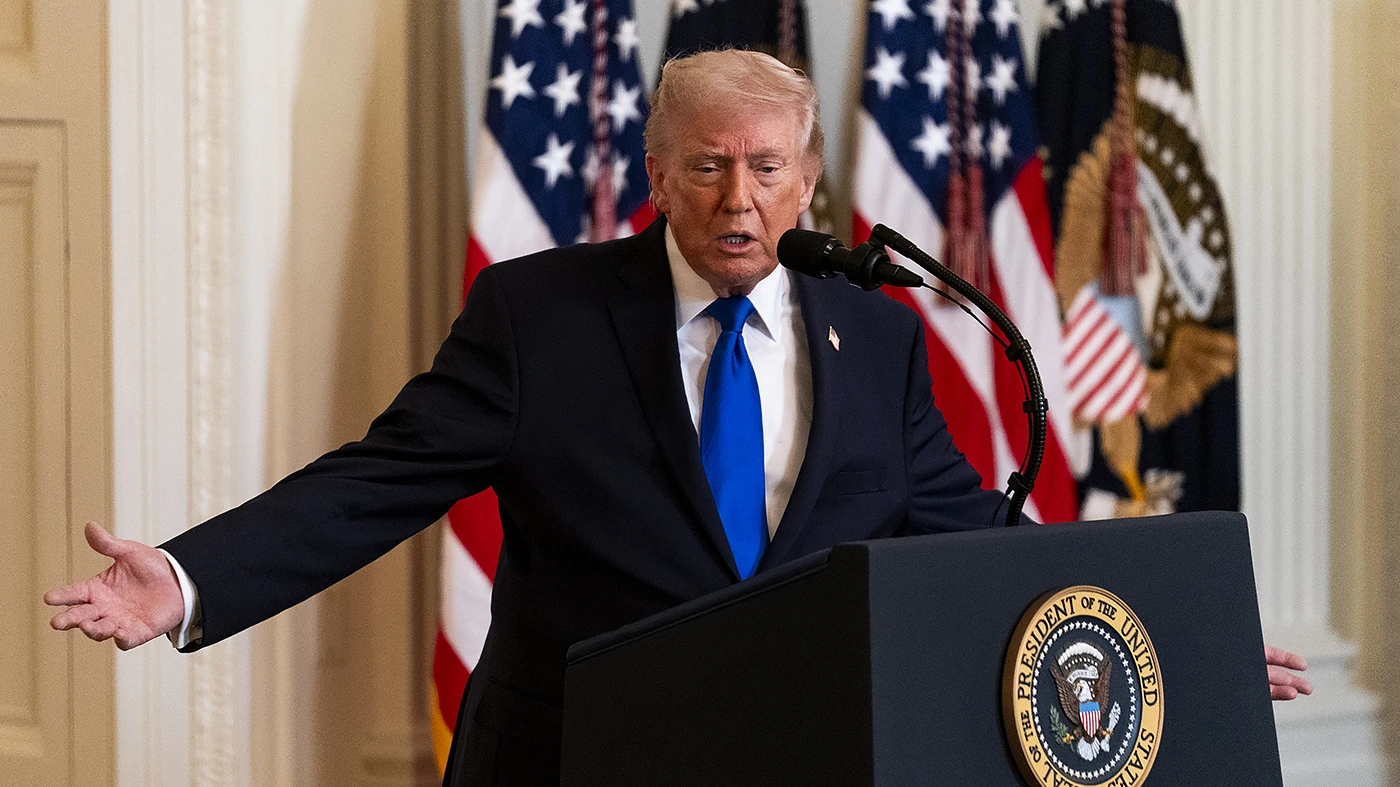
WASHINGTON — President Donald Trump on Monday forcefully rejected media reports that the chairman of the Joint Chiefs of Staff warned him about the risks of attacking Iran, dismissing coverage as “fake news” while reaffirming the United States could prevail in any conflict with Tehran.
The president’s comments came as the Pentagon, allies and foreign policy specialists grapple with the implications of a potential US military confrontation with Iran.
The risks of attacking Iran include extended conflict, substantial casualties and wider regional instability, according to multiple defense analysts and former officials.
Reports by The Washington Post and the online outlet Axios said Caine told Trump during a closed door briefing that US munitions stockpiles are depleted, regional allies may not support sustained operations and any major campaign against Iran could lead to protracted conflict.
President Trump, who has ordered a substantial increase in US forces in the Middle East, gave Tehran a list of demands this month that could curb the Islamic Republic’s nuclear and missile programs.
Iran has rejected the demands and called for negotiations without preconditions. The risks of attacking Iran have been a topic of debate within the US national security apparatus since at least early February when force levels in the region began rising.
Anthony Cordesman, senior fellow at the Center for Strategic and International Studies, said the risks of attacking Iran extend beyond the battlefield.
“We are looking at a scenario where Iran’s asymmetric capabilities could impose heavy costs on US assets and allied partners, even if a conventional engagement is brief,” Cordesman said.
Former US Ambassador to NATO Ivo Daalder, now at the Brookings Institution, said military options without clear end states are dangerous.
“History shows that military escalation with Iran could rapidly expand through proxies and unintended engagements,” Daalder said.
Pentagon spokesman Maj. Gen. Patrick Ryder said in a statement Caine’s role is to present options and consequences to civilian leadership, not to advocate specific policies.
Retired Marine Col. Lawrence Wilkerson, former chief of staff to Secretary of State Colin Powell, called media accounts “consistent with what defense leaders have privately expressed about the risks of attacking Iran.”
In Tehran, political analyst Fatemeh Rahimi of the University of Tehran said, “Iran’s leadership uses every US statement about military action to reinforce national unity and resistance narratives.”
Diplomats from European Union member states issued statements urging restraint this week, emphasizing diplomacy over force.
US lawmakers from both parties have called for clear articulation of objectives and legal justification before any military engagement.
President Trump’s public rejection of reports on the risks of attacking Iran underscores deep divisions within Washington over how to address Tehran’s behavior.
The unfolding debate reflects broader concerns about war, alliance cohesion and the long term strategic direction of US policy in the Middle East.
NOTE! This article was generated with the support of AI and compiled by professionals from multiple reliable sources, including official statements, press releases, and verified media coverage. For more information, please see our T&C.


