
SUMMARY
- The video drew on historically racist associations comparing Black individuals to primates, a practice widely condemned by scholars and civil rights groups.
- Elected officials and advocacy organizations criticized the post as offensive and inappropriate.
- White House officials dismissed criticism as exaggerated, framing the content as a meme rather than a personal attack.
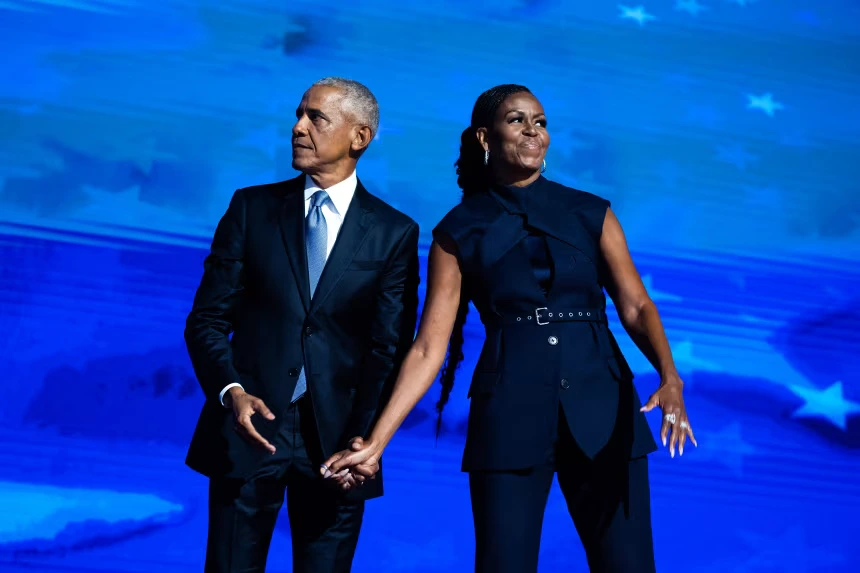
WASHINGTON — Former President Donald Trump shared a video on his Truth Social account Thursday night that briefly depicted former President Barack Obama and former First Lady Michelle Obama as apes, drawing swift criticism from politicians, civil rights organizations, and media commentators.
The short clip, which promotes false claims about the 2020 election, overlays the Obamas’ faces onto animated ape bodies for a brief moment, accompanied by the song “The Lion Sleeps Tonight.”
White House press secretary Karoline Leavitt defended the post, describing the backlash as “fake outrage” and calling it part of a larger internet meme portraying Trump as the “King of the Jungle” and Democrats as “Lion King” characters.
Leavitt asked media outlets to focus on “issues that actually matter to the American public.” The post appeared late Thursday on Truth Social and has quickly circulated online.
It forms part of a series of posts in which Trump promoted discredited claims that voting machines manipulated results in the 2020 election.
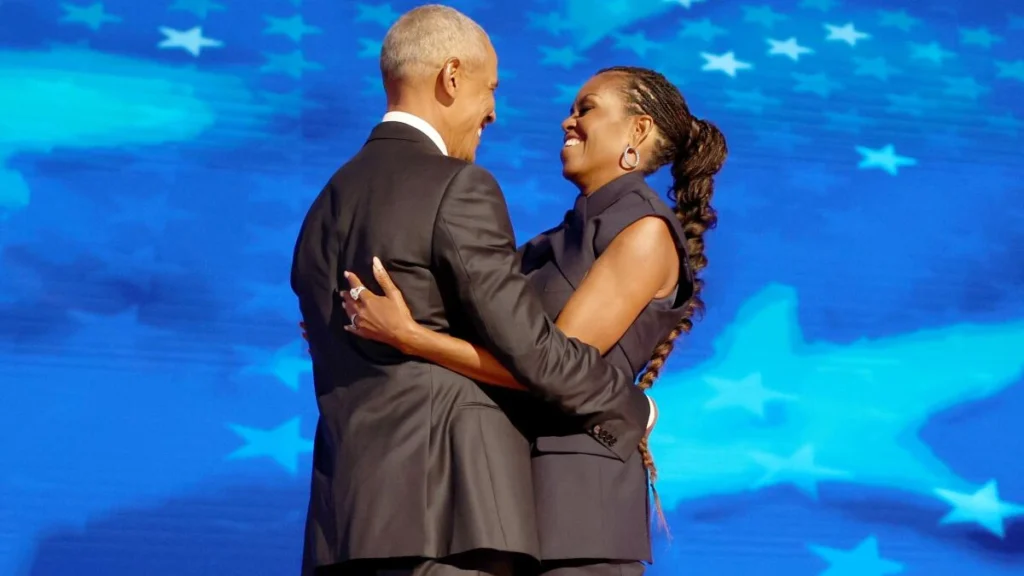
The video’s depiction of the Obamas for a brief moment triggered immediate discussion about the line between political satire and offensive racial imagery.
Historically, comparisons of Black people to apes have been used to justify discrimination, exclusion, and systemic racism.
Media scholars note that these portrayals carry deep cultural and historical significance and continue to evoke harmful stereotypes. Trump’s use of manipulated digital media is consistent with previous incidents.
In 2025, he posted AI-generated content showing Obama in handcuffs and digitally altered images targeting House Minority Leader Hakeem Jeffries, prompting public criticism from civil rights advocates and lawmakers.
Dr. Kimberly Jackson, director of the Race and Media Project at the University of Michigan, said the imagery is part of a longstanding history of dehumanizing Black leaders.
“These portrayals may appear brief, but they perpetuate stereotypes that have real social and psychological consequences,” Jackson said.
Dr. Marcus Thompson, senior fellow at the Center for Digital Ethics, emphasized the broader implications for public trust in digital media.
“When political figures disseminate content that includes racialized or manipulated depictions, it challenges the credibility of online discourse and heightens polarization,” Thompson said.
California Governor Gavin Newsom’s office called the video “disgusting behavior” and urged Republican leaders to denounce it.
Ben Rhodes, former deputy national security adviser under Obama, stated that the imagery contributes to a “deeply troubling legacy of racially charged attacks.”
The video highlights ongoing debates over political speech, social media responsibility, and the spread of manipulated media targeting public figures.
Legal scholars and digital ethics experts say the incident is likely to renew calls for clearer industry guidelines on offensive or misleading content.
Trump’s posting of the video with racialized depictions of Barack and Michelle Obama has intensified scrutiny of both his social media activity and the broader implications of digital media in politics.
Beyond immediate reactions, the episode underscores the continuing intersection of race, media, and political discourse.
NOTE! This article was generated with the support of AI and compiled by professionals from multiple reliable sources, including official statements, press releases, and verified media coverage. For more information, please see our T&C.


