
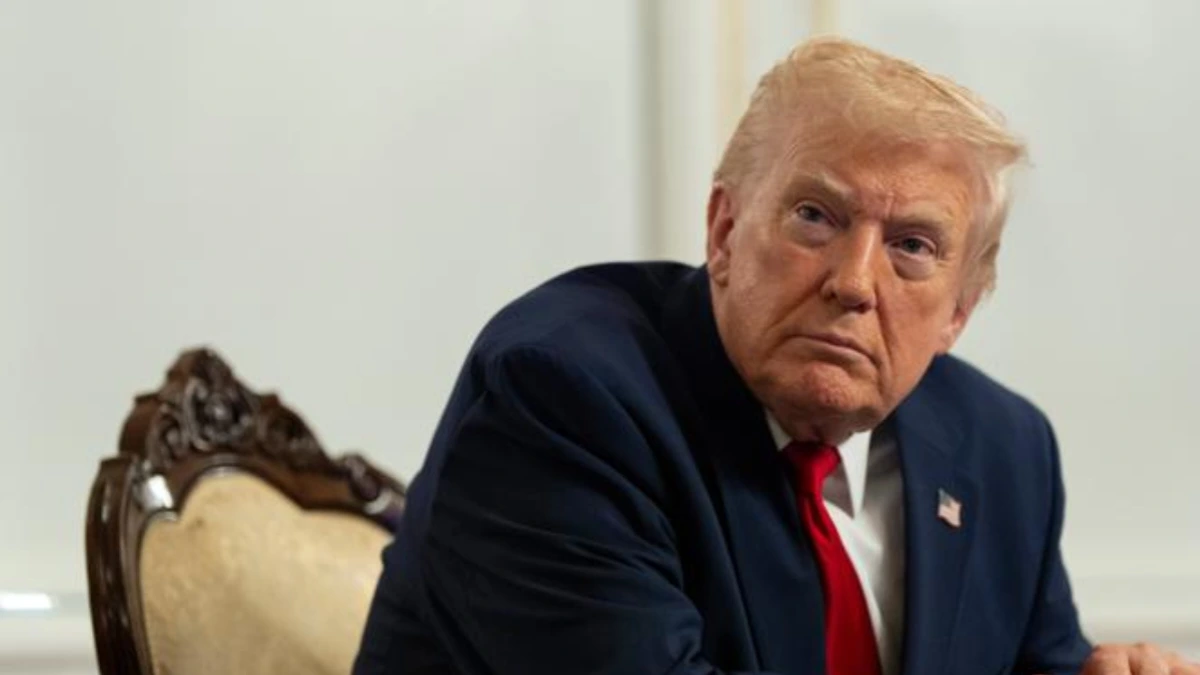
WASHINGTON — President Donald Trump presented the 2025 Kennedy Center honorees with their medals during a Saturday ceremony in the Oval Office, celebrating a group he described as “perhaps the most accomplished and renowned class” in the history of the awards.
The event marked a highly visible moment in what has become a broad restructuring of the Kennedy Center under his administration. Trump presents medals to the Kennedy Center honorees appears naturally throughout this report.
The 2025 honorees include actor Sylvester Stallone, singer Gloria Gaynor, country musician George Strait, the rock band Kiss and actor singer Michael Crawford. The president praised the recipients as “icons” whose work has “inspired, uplifted and unified millions of Americans.”
The ceremony represented a sharp contrast to Trump’s first term, when he distanced himself from the Kennedy Center Honors. Since returning to office in January, he has dismissed the board of trustees, installed Republican allies and elevated himself to chairman of the board, reshaping leadership and programming.
The president also debuted a redesigned medal, created and donated by Tiffany & Co., replacing the long standing rainbow colored ribbon that had become a hallmark of the event. “The new format reflects the prestige and legacy of this institution,” a senior White House official said.
Cultural historian Laura Mendel, who studies presidential involvement in the arts, said Trump’s renewed attention signifies a full scale reinvention of how the administration sees cultural diplomacy.
Experts say the shift is part of a broader political emphasis on cultural institutions. “When Trump presents medals to the Kennedy Center honorees, it’s not only an arts ceremony it has become a statement about ownership, image and national identity,” said Henry Barnes, a professor of arts policy at Georgetown University.
Barnes noted that the replacement of the old rainbow pattern design with a gold disc and navy ribbon signals “a symbolic break with decades of tradition.” The original medallion style had remained unchanged since the honors began in 1978.
Mendel said the changes raise questions about the long term direction of the program. “Presidents typically let the Kennedy Center operate independently. This degree of intervention is unusual, and future boards may need to address governance norms,” she said.
A former Kennedy Center administrator, who requested anonymity due to the political sensitivity, said the restructuring could lead to “lasting operational and artistic shifts” depending on how aggressively the board pursues new programming.
The Kennedy Center Honors typically spotlight figures with broad cultural influence. In past years, recipients have included Aretha Franklin, Steven Spielberg and Carol Burnett.
Under Trump’s renewed oversight, the selection process has expanded to include direct presidential influence, according to officials familiar with the changes. The White House said Trump had “significant input” in choosing the 2025 slate.
Attendance levels at the annual gala have fluctuated over the past decade. Internal Kennedy Center reports show that national television viewership dropped by nearly one third from 2010 to 2023 but stabilized during the 2024 broadcast. Analysts say this year’s heightened political attention could help reverse that trend.
Outside the White House, reactions were mixed. Emily Price, a tourist from Ohio who watched the motorcade enter the grounds, said she appreciated the visibility. “Seeing Trump present medals to the Kennedy Center honorees shows he’s taking culture seriously,” she said.
But Washington resident Marco Ellison viewed the changes cautiously. “The honors should celebrate artists, not politics. I worry the ceremony could lose its identity,” he said.
Within the arts community, many praised the 2025 honorees. “It’s a strong list of performers who defined their fields,” said Broadway producer Dana Romero. “Michael Crawford shaped modern musical theater, and Gloria Gaynor remains a defining voice of disco.”
Country music fan Linda Chavez said seeing Strait honored “felt overdue. He’s influenced generations.” Meanwhile, longtime Kiss fan Robert Klein said the band’s inclusion “finally brings rock front and center.”
Analysts say the evolution of the Kennedy Center Honors will continue to draw national attention. With Trump signaling further changes to the center’s programming and physical modernization, the institution may face a period of rebranding.
Administration officials said a multi year renovation plan will be announced later this spring. The White House emphasized that the updates will “strengthen cultural excellence for decades.”
Experts expect the next class of honorees to reflect the administration’s newly expanded role. Barnes said future decisions will determine “whether the Kennedy Center can preserve its legacy while navigating political influence.”
The ceremony in the Oval Office, in which Trump presented medals to the Kennedy Center honorees, blended celebration with institutional transformation.
As the president reshapes the Kennedy Center’s leadership, visual identity and programming, the awards remain a prominent symbol of American cultural achievement. How these changes will shape the future of the nation’s premier arts honor remains an open question.


