
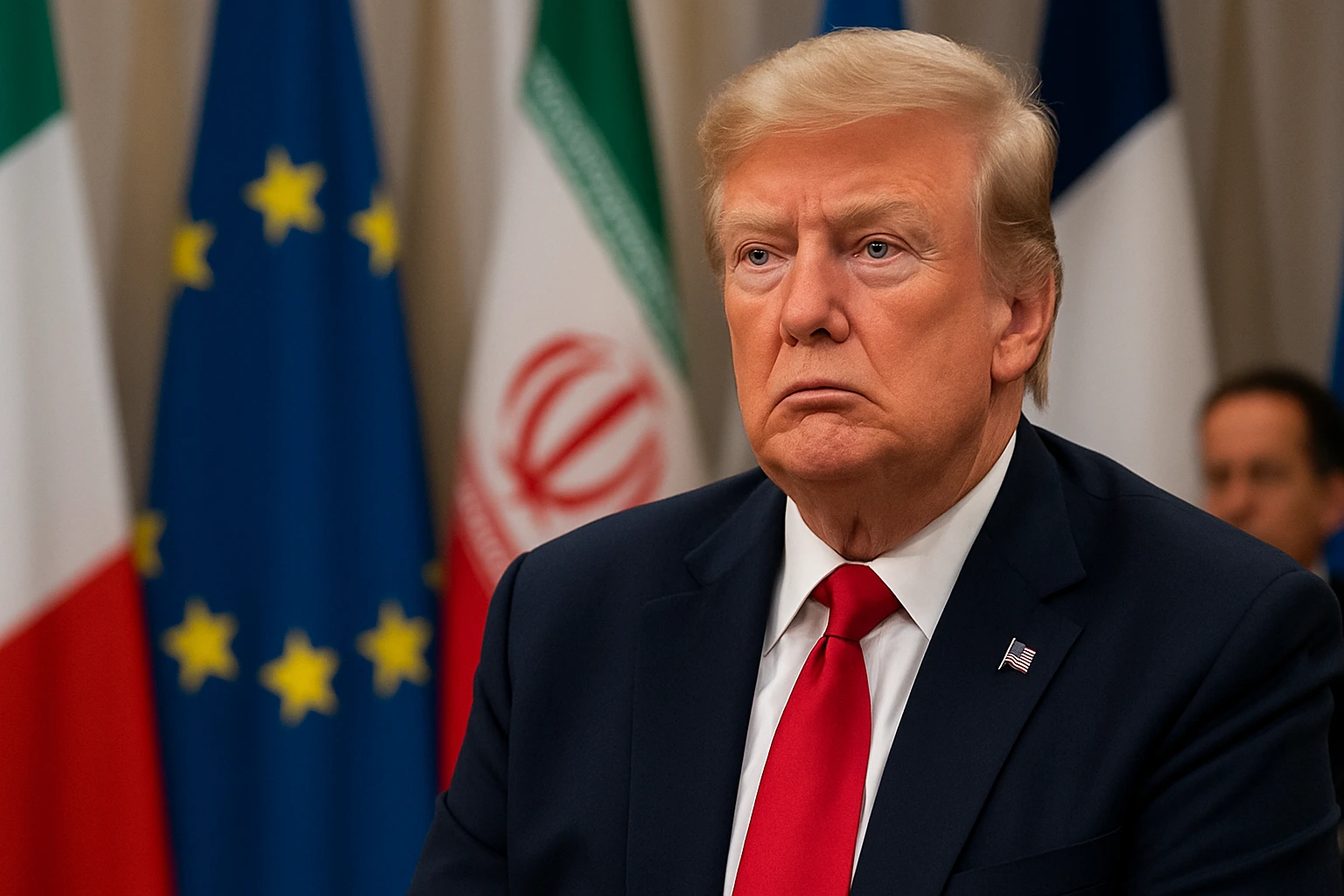
DOHA, Qatar — As President Donald Trump grapples with rising consumer prices, the Epstein files controversy and growing dissent within his own party at home, his domestic struggles appear to hold little sway on the global stage.
At the Doha Forum, a major international gathering focused on diplomacy and geopolitics, foreign officials and global leaders spoke candidly about Trump’s influence abroad, emphasizing that the US president’s decisions continue to carry immense weight regardless of political turbulence at home.
“He doesn’t need Congress to advance foreign policy,” an Arab official attending the forum said, referring to Trump’s historical tendency to act independently.
Trump’s first year of his second term has combined domestic controversies with bold international moves.
From reshaping US foreign aid to authorizing targeted military operations, the administration has maintained a high profile, often unpredictable foreign policy agenda.
The release of Trump’s National Security Strategy ahead of the Doha Forum drew attention for its critique of US allies in Europe.
The strategy warned of “civilizational erasure” facing European nations, prompting panelists to ask whether the president views Europe as a potential adversary.
Former Serbian Foreign Minister Vuk Jeremic said Trump’s impact on the world is undeniable. “Whether people like him or not, I don’t think there is any doubt that he is a very, very influential global actor,” Jeremic said.
The word “influential” was echoed by multiple officials, reflecting the perception that US presidential power remains significant even amid domestic challenges.
Analysts note that presidents often retain the capacity to shape international outcomes, even when their approval ratings decline at home.
Foreign policy analysts said presidents often pivot to international initiatives when domestic influence wanes.
“It is not unusual for US leaders to leverage foreign policy as a means to maintain relevance,” said Dr. Amina Khalil, a political science professor at the University of Doha.
African leaders attending the forum expressed hope that Trump would engage in resolving regional conflicts, including tensions in Sudan.
“The rhetoric is secondary to action,” one official said on condition of anonymity. “If he can advance the peace process, that is what matters.”
Some experts noted that Trump’s unpredictable style generates both concern and opportunity among international actors.
While some officials welcomed his willingness to challenge established norms, others warned about potential miscalculations.
Trump’s recent foreign policy actions have included shifting stances on Russia’s war in Ukraine, adjusting positions on Middle East conflicts, and proposing diplomatic engagement in Africa.
While claims of ending multiple wars are debated, officials stressed the importance of initiating dialogue.
“Peace is incremental,” Khalil said. “Even if agreements are fragile, beginning the conversation can prevent further escalation.”
Across the Sheraton resort in Doha, officials and business leaders emphasized the enduring weight of US decisions.
“The weakest US president is still stronger than the strongest leader of most other countries,” said a European diplomat.
African delegates said that Trump’s interventions, despite being controversial, are seen as an opportunity to address longstanding conflicts.
“You should be proud of your president,” one African official said, highlighting the pragmatic lens through which US influence is often viewed abroad.
Analysts predict that Trump’s domestic vulnerabilities may continue to shape international perceptions and strategies.
“Foreign leaders are watching closely,” Khalil said. “They know internal pressures can drive decisions that have global consequences.”
This period may see increased diplomatic activity, unpredictable alliances and ongoing scrutiny of the United States’ role in resolving conflicts worldwide.
Despite domestic turbulence, President Donald Trump remains a central figure in global geopolitics. Leaders from multiple regions recognize his capacity to influence outcomes, while balancing cautious optimism with concern over unpredictability.
The focus for many observers is less on rhetoric and more on whether US engagement can advance international stability and dialogue.


