
SUMMARY
- Premium only video releases are increasingly tied to chart performance metrics and revenue optimization.
- Archival storytelling reflects a broader shift toward legacy driven content in global pop production.
- Industry analysts see platform exclusivity as a test case for future artist-platform revenue models.
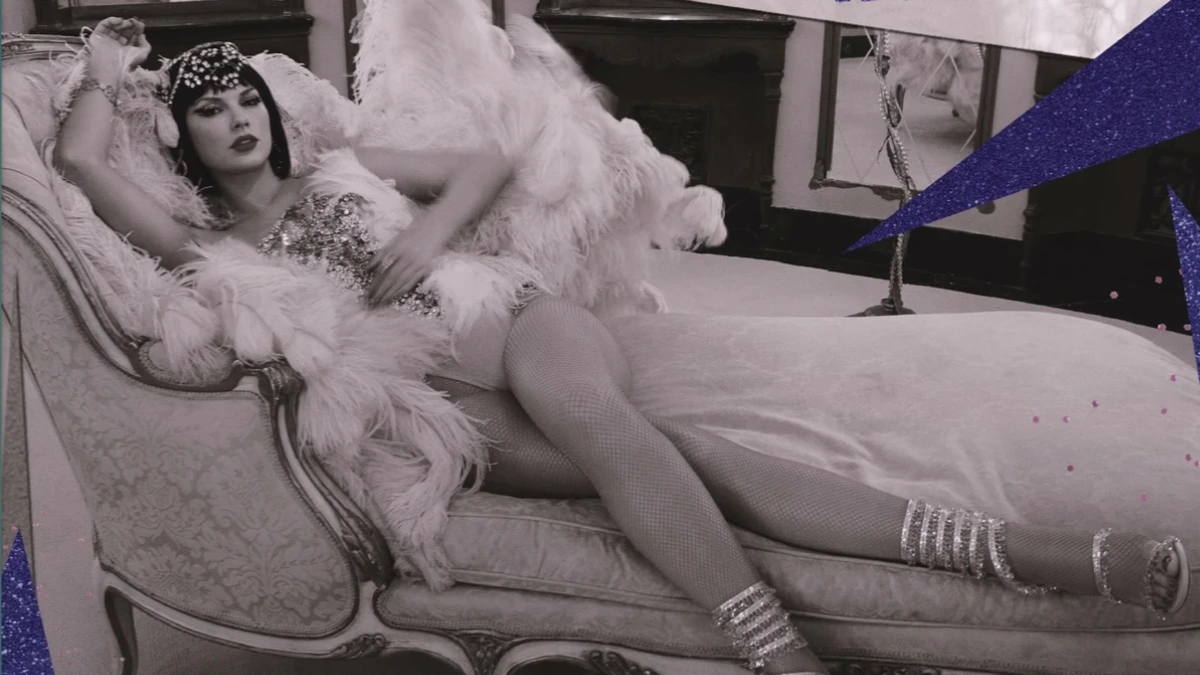
Taylor Swift released the “Elizabeth Taylor” music video Tuesday via paid platforms, highlighting a calculated distribution strategy tied to evolving streaming economics and chart rules in 2026.
The release of “Elizabeth Taylor” arrives as the global music industry recalibrates distribution strategies amid tightening monetization rules.
With streaming revenues plateauing in key markets, artists and labels are experimenting with exclusivity windows to maximize chart impact and subscriber value.
Swift’s latest video diverges from her earlier high-production visuals, opting instead for curated archival footage of Elizabeth Taylor. This follows a February rollout of “Opalite,” which also debuted behind a paywall before expanding to free platforms.
Since late 2024, Billboard’s revised methodology has prioritized streams from paid tiers, prompting major artists to rethink release sequencing.
Swift’s October album, “The Life of a Showgirl,” marked a thematic pivot toward fame, legacy and identity.
The inclusion of real life figures required estate approvals, reflecting increasing legal scrutiny in biographical storytelling within music.
“Artists are now treating distribution as a financial instrument, not just a marketing decision,” said Mark Mulligan, managing director at MIDiA Research.
He noted that premium exclusivity can boost short term revenue while influencing chart positioning.
At the same time, the use of archival imagery signals a cultural shift. “There’s a growing reliance on legacy figures to anchor contemporary narratives,” said Dr. Katherine Williams, professor of music industry studies at New York University.
“It bridges generational audiences and adds depth that algorithm driven content often lacks.”
Economically, the strategy aligns with platform competition. Apple Music and Spotify are under pressure to justify subscription costs amid slower user growth in North America and Europe.
Exclusive releases offer differentiation, though they risk limiting immediate reach. Socially, Swift’s portrayal of Taylor reflects parallels between celebrity scrutiny across eras.
References to Taylor’s public relationships and luxury branding underscore persistent media dynamics surrounding female fame.
“This is about valuing content properly,” said Daniel Ek, CEO of Spotify, during a recent earnings call, emphasizing the role of exclusives in sustaining subscription growth.
Rachel Jin, a Los Angeles based music supervisor, said the archival approach reduces production costs while enhancing storytelling authenticity. “It’s efficient but emotionally powerful,” she said.
From the estate side, Quinn Tivey, trustee of Elizabeth Taylor’s legacy, previously noted that the song “feels like a direct conversation with her legacy,” highlighting family approval and collaboration.
Over the next six to twelve months, industry analysts expect more tiered releases, with major artists staggering content across paid and free platforms.
Regulatory scrutiny around chart fairness may intensify, particularly in the United States and United Kingdom.
Streaming platforms are also likely to expand exclusive content deals, potentially including bundled video premieres and limited time releases.
However, sustained reliance on paywalled content could test audience tolerance, especially in emerging markets where subscription growth remains price sensitive.
The “Elizabeth Taylor” release underscores a structural shift in how music is distributed, monetized and contextualized.
By combining premium exclusivity with legacy storytelling, Taylor Swift’s strategy reflects broader industry adaptation to economic pressures and evolving audience engagement patterns in 2026.
NOTE! This article was generated with the support of AI and compiled by professionals from multiple reliable sources, including official statements, press releases, and verified media coverage. For more information, please see our T&C.


