
KEY POINTS
- Sean Grayson sentencing delivers the maximum penalty for second degree murder under Illinois law.
- The Sonya Massey killing prompted federal scrutiny, a multimillion dollar settlement and state law changes.
- The case highlights ongoing concerns over police responses to mental health crises.
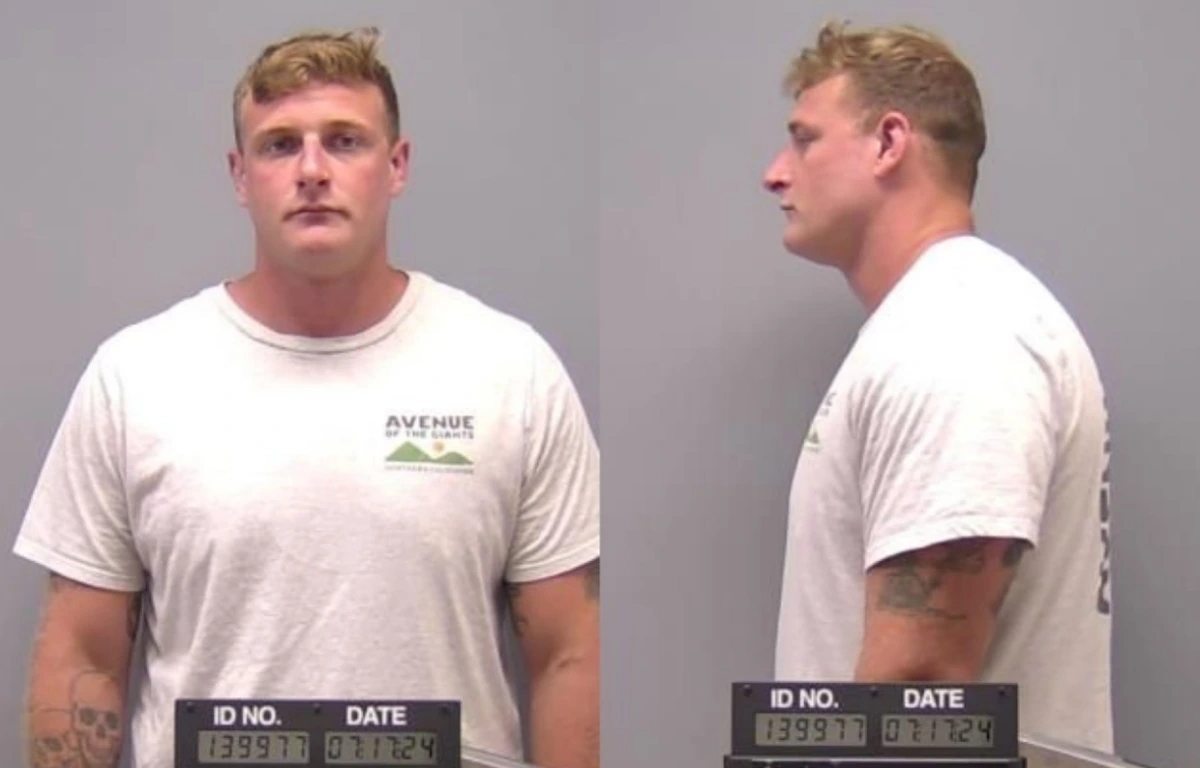
SPRINGFIELD, Ill. — Former Illinois sheriff’s deputy Sean Grayson was sentenced to twenty years in prison for the fatal shooting of Sonya Massey, a Black woman who called 911 for help, marking one of the most closely watched police accountability cases in the state in recent years.
The Sean Grayson sentencing concludes a case that has drawn national attention to police use of force inside private homes.
Massey, thirty six, contacted emergency services in July 2024 after reporting a suspected prowler near her Springfield residence. Minutes later, she was dead, shot in the face by an officer she had called for assistance.
Body camera footage presented at trial showed Grayson and Sangamon County Sheriff’s Deputy Dawson Farley searching Massey’s yard before entering her home.
Massey appeared disoriented and repeatedly prayed aloud. The encounter escalated after Grayson noticed a pot of hot water on the stove.
Prosecutors said Grayson unnecessarily escalated the situation, while the defense argued he feared imminent harm.
Grayson was originally charged with three counts of first degree murder, which carry potential life sentences.
An Illinois jury convicted him instead of second degree murder, a charge allowed when a defendant claims a genuine but unreasonable belief of danger.
Former federal prosecutor Laurie Levenson, a professor at Loyola Law School, said the verdict reflects “how juries navigate use of force cases where fear is claimed but actions appear excessive.”
She added that the maximum sentence signals judicial acknowledgment of the severity of the harm.
David Klinger, a criminologist at the University of Missouri-St. Louis who studies police shootings, said the case underscores risks when officers lack adequate training for mental health encounters.
“These situations require slowing down, not speeding up decision making,” he said. Massey’s mother, Donna Massey, told the court she now fears calling police.
“Today, I’m afraid to call the police in fear that I might end up like Sonya,” she said. Grayson apologized during sentencing, saying, “I made terrible decisions that night. I’m sorry.”
Civil rights attorney Ben Crump, who represented Massey’s family, said the sentence provides accountability but not closure. “No prison term can restore Sonya’s life,” he said.
The Sonya Massey killing has already produced systemic changes. The US Justice Department opened an inquiry that concluded with Sangamon County agreeing to expanded de-escalation training and enhanced use of force data collection.
Illinois lawmakers also enacted a new transparency law requiring fuller disclosure of prior misconduct in law enforcement hiring.
The Sean Grayson sentencing stands as a landmark moment in Illinois policing, illustrating both the limits and reach of the criminal justice system when officers misuse deadly force during civilian calls for help.
Author’s Perspective
In my analysis, the Sean Grayson sentencing reflects a structural shift in how US courts assess police use of force claims tied to “perceived threat,” especially inside private homes.
I predict expanded state level mandates for crisis-intervention certification and national decertification databases as a new policing standard. For everyday citizens, this case reshapes trust in emergency response.
NOTE! This article was generated with the support of AI and compiled by professionals from multiple reliable sources, including official statements, press releases, and verified media coverage. For more information, please see our T&C.


