
SUMMARY
- Samuel Alito hospitalization highlights health transparency concerns for lifetime appointed justices.
- Incident did not disrupt court operations or pending rulings.
- Security protocols ensured rapid medical response without escalation.
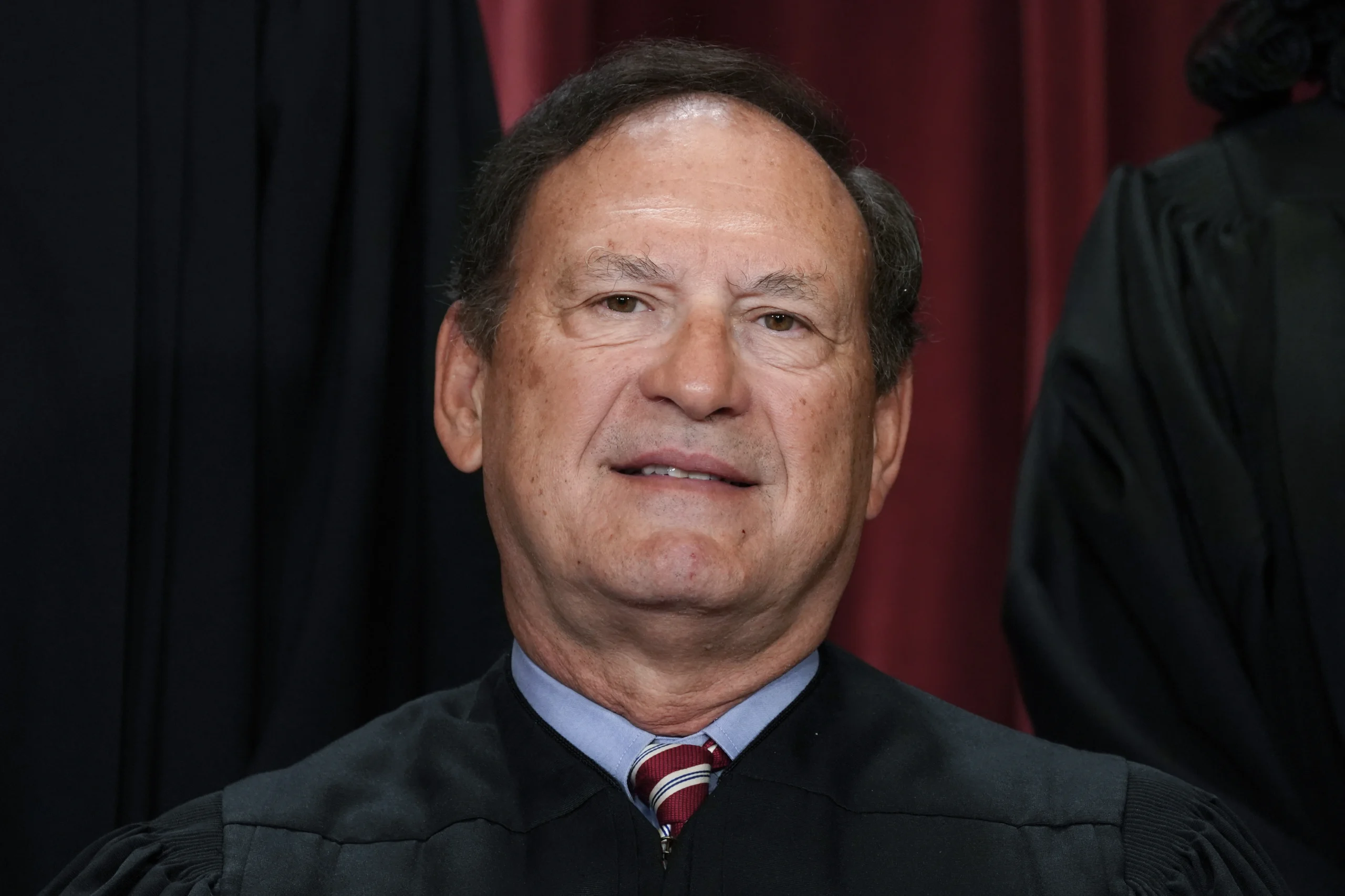
Samuel Alito hospitalization details emerged after the US Supreme Court justice experienced dehydration in Philadelphia on March 20, prompting a precautionary hospital visit.
The Samuel Alito hospitalization underscores rising global attention on judicial health disclosures as courts manage high stakes rulings in politically sensitive environments.
Samuel Alito, 76, attended a Federalist Society event before reporting dizziness, according to Fox News. He was treated and released the same night.
Dr. Jeremy Faust, emergency physician at Harvard Medical School, said dehydration in older adults can escalate quickly without early intervention.
Amanda Frost, law professor at the University of Virginia, noted judicial health transparency affects institutional trust and continuity planning.
A US Marshals Service official confirmed standard protective protocols were followed during the Samuel Alito hospitalization. Health disclosure norms for senior officials may tighten over the next 12 months.
The Samuel Alito hospitalization reinforces scrutiny on resilience within critical judicial institutions.
NOTE! This article was generated with the support of AI and compiled by professionals from multiple reliable sources, including official statements, press releases, and verified media coverage. For more information, please see our T&C.


