
KEY POINTS
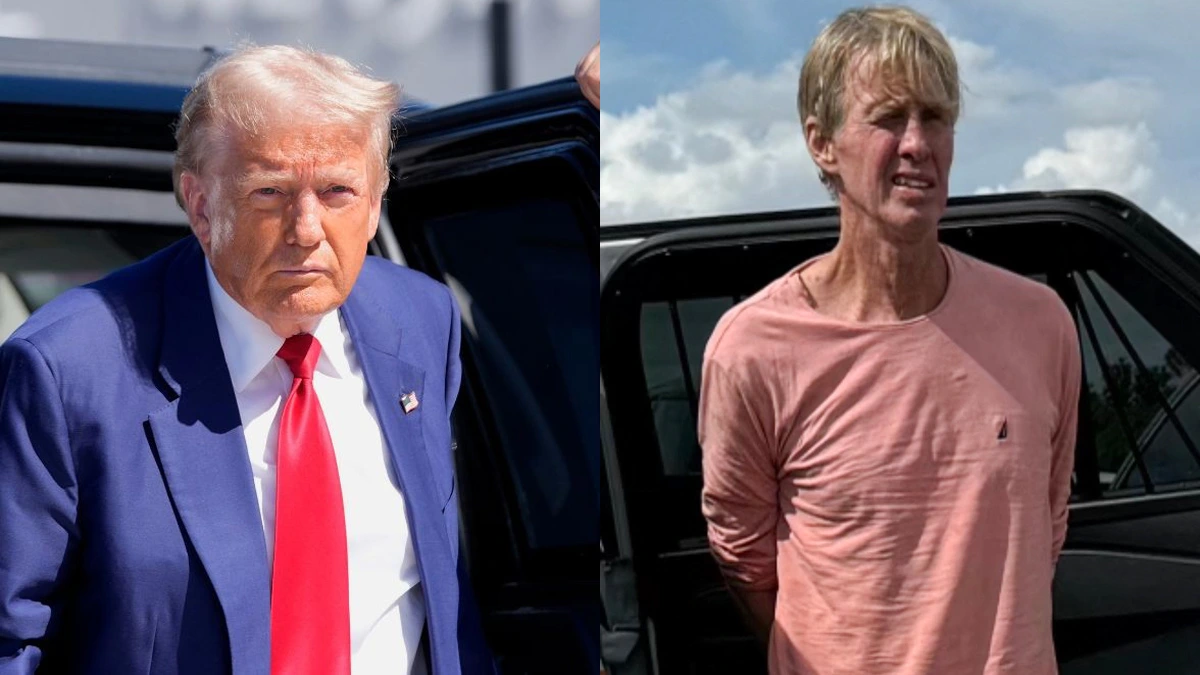
- Ryan Routh received a life sentence for attempting to assassinate Donald Trump at a Florida golf course.
- Federal agents recovered a semiautomatic rifle and evidence of premeditation, including target lists and notes describing the attempt as an assassination.
- The case followed a previous July 2024 shooting at a Trump campaign rally in Pennsylvania that left one dead and several wounded.
West Palm Beach, Florida – Ryan Routh, 59, was sentenced to life in federal prison Wednesday for attempting to assassinate former President Donald Trump at the Trump International Golf Club in West Palm Beach in September 2024.
The sentencing comes after a jury found Routh guilty of plotting to kill Trump, then a presidential candidate, in an incident that heightened concerns over political security during the 2024 election cycle.
Routh’s life sentence underscores the ongoing threats faced by political figures in the United States.
US District Judge Aileen Cannon, in her sentencing memorandum, described the crimes as “undeniably warrant[ing] a life sentence,” citing Routh’s sustained efforts to carry out the attack and lack of remorse.
The incident was swiftly thwarted by a US Secret Service agent who noticed a rifle barrel protruding from nearby foliage.
“This case highlights the critical role of federal protective services in preventing violence against elected officials,” said John Shipley, lead prosecutor and US attorney.
The attempted assassination occurred amid a tense presidential campaign season. Routh, a North Carolina native who lived in Hawaii prior to his arrest, acted erratically throughout the trial.
He represented himself, referencing unrelated topics including US history, the Russia/Ukraine conflict, and his intention to purchase a boat.
Jurors were also told he left behind a note for a friend labeling the incident an “assassination attempt” and a list of potential Trump appearances.
The Florida attack was the second assassination attempt against Trump in 2024.
In July, a 20 year old gunman opened fire at a rally in Butler, Pennsylvania, killing one person and wounding several, including Trump. The Pennsylvania shooter was killed at the scene by law enforcement.
Political security experts emphasized the implications for campaign safety and federal law enforcement.
Dr. Jennifer Martinez, a professor of political violence at Georgetown University, said, “The Routh case illustrates the persistent risk individuals pose even without a clear line of sight or immediate access to a target. Preventive measures by the Secret Service were critical.”
Former Secret Service agent Michael Donnelly added, “Threat assessments now increasingly rely on digital monitoring and behavioral profiling. Cases like Routh’s underscore the importance of proactive intervention.”
US Attorney Shipley emphasized the extensive evidence presented during the trial. “We showed the jury how close Routh came to carrying out a major political assassination.
Every piece of evidence pointed to deliberate planning,” he said. Judge Cannon reflected on Routh’s lack of remorse during sentencing.
“He took steps over months to assassinate a major presidential candidate, demonstrated the will to kill anyone in the way, and has expressed neither regret nor remorse to his victims,” Cannon said.
Local law enforcement officials also praised the Secret Service’s rapid response. West Palm Beach Police Chief Andrea Wallace said, “The agent’s vigilance prevented what could have been a catastrophic outcome. Coordination between federal and local authorities was key.”
The life sentence signals zero tolerance for political violence and reinforces legal protections for high profile public figures.
The Department of Justice has indicated continued investment in training and intelligence resources to prevent similar threats during elections.
Routh’s sentencing closes a high profile chapter in the 2024 campaign’s security narrative, reinforcing the critical role of law enforcement in safeguarding political processes.
The case highlights the ongoing challenges of protecting public officials against premeditated attacks while maintaining public confidence in democratic institutions.
NOTE! This article was generated with the support of AI and compiled by professionals from multiple reliable sources, including official statements, press releases, and verified media coverage. For more information, please see our T&C.


