
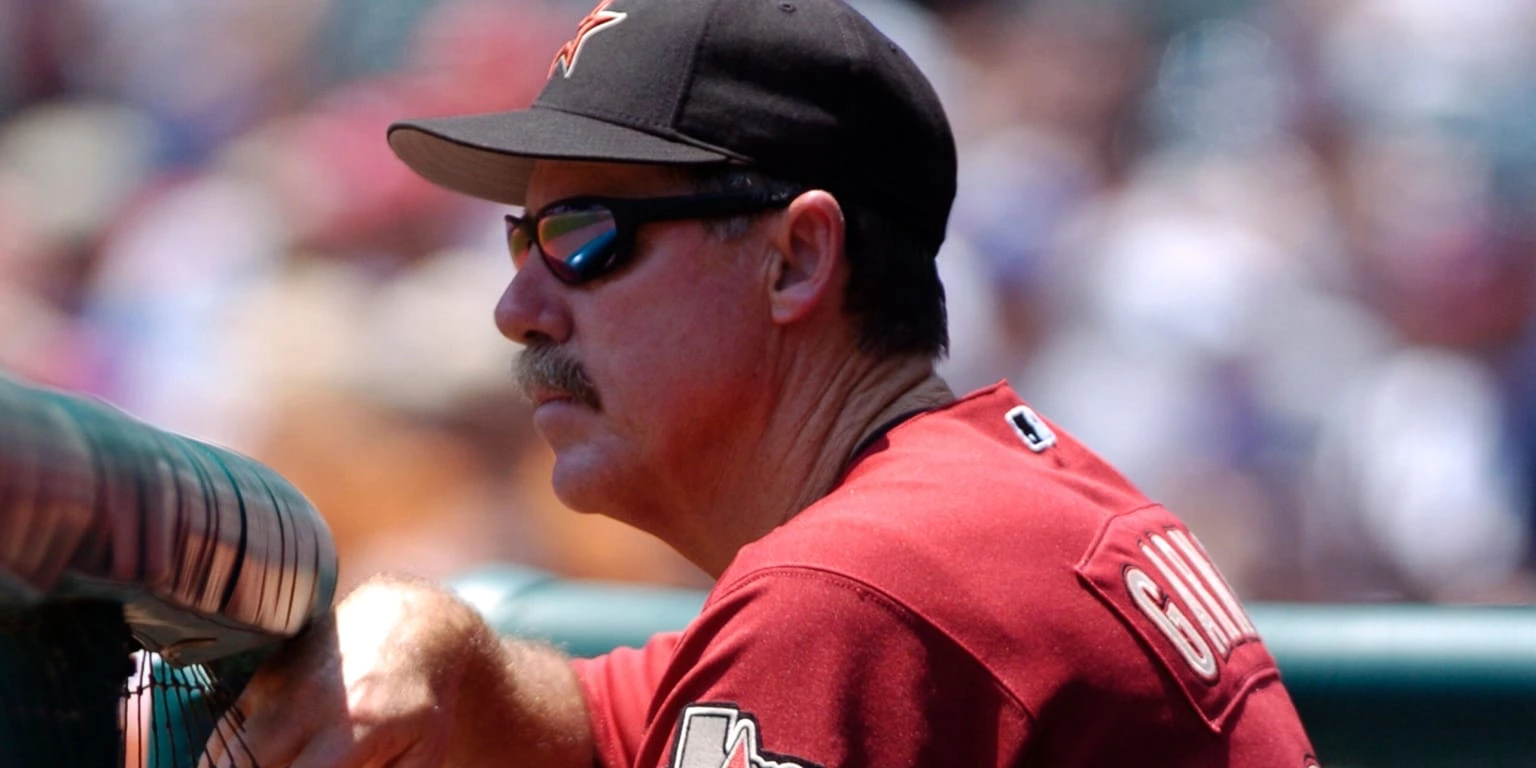
The death of Phil Garner, a former MLB All-Star and World Series champion, was confirmed Sunday after a two year battle with pancreatic cancer. He was seventy six.
SUMMARY
- Phil Garner death highlights the passing of a major figure in MLB’s competitive era.
- Phil Garner death recalls his elite 1979 World Series performance and leadership legacy.
- Phil Garner death underscores the decline of traditional player manager pathways in MLB.
The Phil Garner death comes as Major League Baseball continues shifting toward analytics-driven systems, making his instinct-based leadership style increasingly rare in the modern game.
Drafted by the Oakland Athletics in 1971, Garner debuted in 1973 and became an All-Star by 1976.
A move to the Pittsburgh Pirates led to his defining moment in the 1979 championship over the Baltimore Orioles. Later, with the Houston Astros, he transitioned into management, guiding them to a 2005 World Series appearance.
“Garner represented a bridge between instinct-driven baseball and structured systems,” said Dr. Alan Nathan, professor emeritus at the University of Illinois. “His adaptability would still hold value in today’s game.”
Bob Nightengale, USA Today MLB columnist, said the Phil Garner death reflects the loss of a clubhouse leader who managed during baseball’s structural transition. “He balanced authority and trust,” Nightengale noted.
Garner’s .500 batting average in the 1979 World Series remains a benchmark in postseason efficiency, now comparable to advanced clutch performance metrics tracked by modern analytics teams.
“Phil never lost his love for baseball,” said Ty Garner, his son, reflecting on the Phil Garner death and his enduring passion.
Pirates chairman Bob Nutting said the Phil Garner death is a loss for the entire baseball community, calling him “a fierce competitor and respected leader.”
Former Astros pitcher Roy Oswalt added, “He built trust inside the clubhouse during high pressure moments.”
Following the Phil Garner death, MLB teams are expected to further integrate former players into advisory roles rather than managerial positions, reflecting ongoing structural evolution in leadership models.
The Phil Garner death marks the end of a career defined by resilience, leadership, and postseason impact, leaving a lasting imprint on how baseball values experience alongside data driven strategy.
NOTE! This article was generated with the support of AI and compiled by professionals from multiple reliable sources, including official statements, press releases, and verified media coverage. For more information, please see our T&C.


