
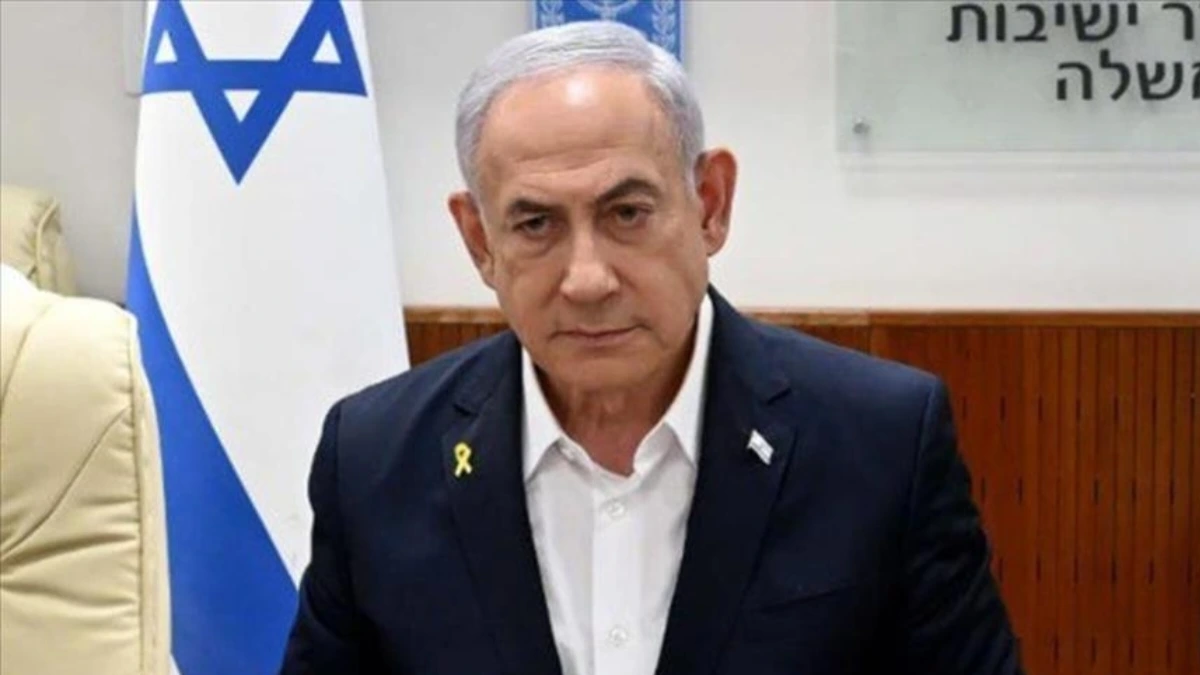
JERUSALEM — Israeli Prime Minister Benjamin Netanyahu formally asked President Isaac Herzog on Sunday for a presidential pardon in his years-long corruption case, arguing that the continued criminal proceedings were obstructing his ability to govern effectively.
The move, which Netanyahu framed as essential for the country’s stability, immediately sparked debate across Israel’s political and legal circles and renewed public scrutiny of a trial that has shaped national discourse for nearly a decade.
The request marks the first time during the ongoing proceedings that Netanyahu seeks pardon before any verdict has been reached, a step legal scholars called “extraordinary” and “rarely justified.” The focus keyword Netanyahu seeks pardon quickly became a centerpiece of national discussion.
Netanyahu, Israel’s longest-serving prime minister, was indicted in 2019 on charges of bribery, fraud and breach of trust in three separate cases involving wealthy associates, media executives and regulatory favors. The prime minister has repeatedly denied wrongdoing and has argued the cases were politically motivated.
His lawyers submitted a detailed letter to Herzog on Sunday, asserting that the trial had “deepened societal divisions” and created an environment that makes governance “almost impossible.”
In a video released by the Likud party, Netanyahu said he trusted the legal process but insisted the demands placed on him, including testifying “three times a week,” were incompatible with leading the country.
“My lawyers sent a request for pardon to the president of the country today. I expect that anyone who wishes for the good of the country support this step,” Netanyahu said in the statement.
Herzog’s office confirmed receipt of the request and said it had forwarded the materials to the Ministry of Justice for professional review, as required by law. “The president will make no determination until receiving the full legal opinion,” the office said in a written statement.
While Israeli presidents hold broad authority to issue pardons, such decisions are traditionally made only after legal proceedings conclude. No prime minister has ever requested clemency mid trial, making this moment as Netanyahu seeks pardon one of the most unusual in the country’s political history.
Legal experts described the request as an unprecedented test of presidential power. Dr. Yael Brenner, a constitutional law expert at Hebrew University, said a pre trial pardon would break long standing norms.
In Israel, clemency follows conviction, not ongoing litigation, she said. “Granting a pardon now would set a precedent that political pressure can supersede judicial independence.”
Another analyst, Eitan Romi, a researcher at the Israel Democracy Institute, said Netanyahu’s argument that the trial undermines national unity mirrors a broader narrative he has used to rally supporters.
“The message is clear: the prime minister says he cannot govern effectively while the trial continues,” Romi said. “But critics argue that pausing legal proceedings would weaken the rule of law.”
Privately, some officials in the justice system expressed concern that the request could deepen mistrust in state institutions. A senior judicial officer, speaking on condition of anonymity, said that “the integrity of the legal process must be protected,” regardless of political consequences.
The focus keyword Netanyahu seeks pardon emerged repeatedly in expert commentary as analysts debated whether the president’s decision could reshape Israel’s constitutional landscape.
Netanyahu’s corruption trial has become one of the most closely watched legal proceedings in Israel. Court records show more than one hundred hearings have been held since testimony began in 2020.
According to the Ministry of Justice, fewer than five presidential pardons in the last decade were granted before sentencing, and none involved high ranking elected officials.
Comparisons with other countries underscore the rarity of such a request. In parliamentary democracies like the United Kingdom or Canada, mid trial pardons for sitting leaders are virtually unheard of due to norms protecting judicial autonomy.
Political analysts say Israel’s system places significant symbolic weight on the presidency, but the role traditionally avoids intervening in active trials.
Data from recent polling by the Israel Democracy Institute indicated that Israeli society remains deeply divided over the corruption charges.
Roughly forty percent of respondents said they believed Netanyahu should continue governing while the trial proceeds, while fifty percent said a prime minister facing such allegations should step aside until a verdict is reached.
On the streets of Tel Aviv, reactions were swift and split. Miriam Alon, a small business owner, said she believed the request was an unnecessary attempt to escape accountability. “Everyone in this country has to face the law. Why should the prime minister be different?” she said.
In Jerusalem, Likud supporters defended the move. Avi Malka, a taxi driver and longtime Netanyahu voter, said the trial had gone on too long. “He was elected again and again,” Malka said. “If the country trusts him, the court should not take him away from leading us.”
Others expressed concern about the broader implications. Ruth Hadad, a retired schoolteacher from Haifa, said the political climate had become increasingly polarized. “Everything feels fragile,” she said. “When Netanyahu seeks pardon, it doesn’t just affect him. It affects how we view our democracy.”
Herzog is not expected to make an immediate decision. The Ministry of Justice will prepare a formal opinion, which will then be reviewed by the president’s legal adviser. Analysts estimate the process could take weeks or even months.
If Herzog denies the request, the trial will proceed as scheduled, with Netanyahu expected to continue testifying. If he grants the pardon, it could trigger political upheaval, including legal challenges and public protests.
Political scientist Daniel Shafir said the coming weeks will be critical. “The president must weigh public trust, legal tradition and political stability,” he said. “Whatever he decides will resonate far beyond this moment.”
As Netanyahu seeks pardon, government allies, opposition leaders and civil society groups are bracing for a prolonged confrontation that could shape Israel’s political system for years to come.
The request for clemency marks a turning point in a corruption saga that has dominated Israeli politics for years. While supporters frame it as a necessary step to enable effective leadership, critics warn it could compromise judicial independence and deepen national divisions.
As the review process unfolds, Israel faces an uncertain period in which law, politics and public sentiment will collide and the implications of Netanyahu’s decision to seek a pardon remain far from resolved.


