
SUMMARY
- Operation Metro Surge concludes after six weeks of intensified federal immigration enforcement in Minnesota.
- Polling shows the immigration surge is unpopular in key suburban battlegrounds.
- Lawmakers demand investigations into two fatal shootings linked to federal agents.
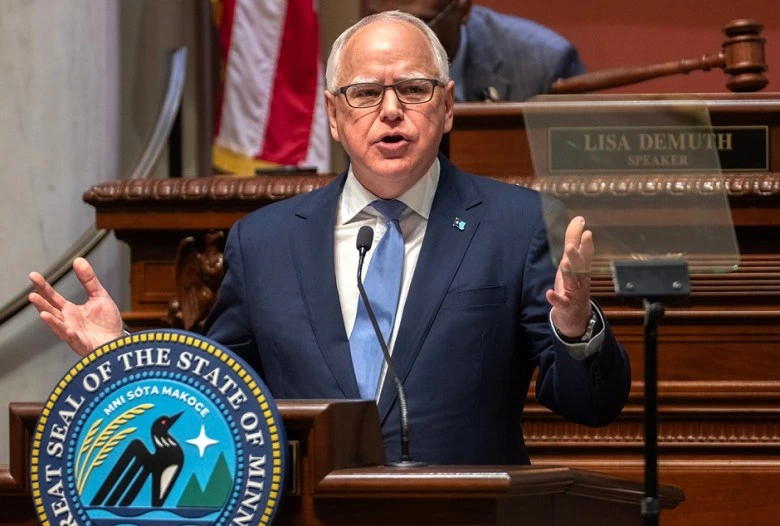
MINNEAPOLIS — Minnesota Gov. Tim Walz said Wednesday that residents “never wavered” during a six week federal immigration surge that brought thousands of US Immigration and Customs Enforcement agents into the state
As the White House confirmed Operation Metro Surge would wind down and personnel would be redeployed nationwide.
The drawdown of the Minnesota immigration surge follows weeks of protests, political hearings and two fatal shootings that intensified scrutiny of federal immigration enforcement tactics.
Walz described the operation as an “unprecedented federal invasion,” while White House border czar Tom Homan called it a success that led to the arrest of criminal suspects and coordination with some local officials.
Operation Metro Surge began in early January, deploying thousands of federal immigration agents across Minneapolis, St. Paul and surrounding suburbs.
Federal officials said the goal was to target individuals with criminal records and strengthen enforcement in jurisdictions described by Republicans as sanctuary policies.
The operation led to confrontations between agents and demonstrators. Renee Good and Alex Pretti were shot and killed by federal agents during separate January incidents.
State lawmakers traveled to Washington this week to testify before the Senate Homeland Security and Governmental Affairs Committee regarding the shootings.
Minnesota has long been politically competitive in suburban districts. A recent NBC News Decision Desk/KARE eleven/Minnesota Star Tribune poll powered by Survey Monkey found roughly two thirds of respondents viewed ICE negatively and believed federal tactics had gone too far.
Disapproval was strongest in the Twin Cities suburbs, central to this year’s races for governor and US Senate.
Republican US Rep. Tom Emmer of Minnesota told senators the unrest stemmed from “radical sanctuary state and city policies” that limited cooperation between local and federal law enforcement. He said the situation was “entirely preventable.”
US Sen. Amy Klobuchar, a Democrat running for governor, said Minnesotans “never blinked” and called for accountability and structural changes within ICE.
Larry Jacobs, director of the Center for the Study of Politics and Governance at the University of Minnesota, said the Minnesota immigration surge reshaped the political environment in suburban districts.
“Suburban voters often respond strongly to perceptions of instability,” Jacobs said. “Sustained federal operations combined with high profile incidents can alter turnout and issue salience.”
Muzaffar Chishti, senior fellow at the Migration Policy Institute, said large-scale enforcement actions are rare at the state level.
“Deploying thousands of agents to one state for weeks is unusual in modern immigration enforcement,” Chishti said. “The long term impact depends on legal findings, community trust and electoral response.”
Minneapolis Mayor Jacob Frey said the operation was “catastrophic for our neighbors and businesses” and urged a “great comeback” as agents depart.
Community advocate Maria Alvarez, director of the Minnesota Immigrant Rights Coalition, said food distribution networks expanded during the enforcement push.
“Families were afraid to leave their homes,” Alvarez said. “Local volunteers stepped in to fill gaps.”
Homan defended the federal immigration enforcement effort, saying it removed dangerous individuals and was conducted within legal authority.
Federal officials have not indicated whether similar immigration surges will occur in other states.
Walz said questions remain about investigations into the January shootings and potential federal oversight reviews. Senate hearings are ongoing.
Minnesota’s suburbs are expected to remain central in upcoming elections, with immigration enforcement likely to feature prominently in campaign debates.
The end of Operation Metro Surge closes an intense chapter in Minnesota’s immigration enforcement landscape, leaving unresolved legal reviews, political consequences and broader questions about the role of federal authority in state communities.
NOTE! This article was generated with the support of AI and compiled by professionals from multiple reliable sources, including official statements, press releases, and verified media coverage. For more information, please see our T&C.


