
SUMMARY
- The Dolphins will absorb a record $99.2 million in dead money from the Tua Tagovailoa release, affecting salary cap planning.
- The move follows extensive roster changes including cuts of Tyreek Hill and Bradley Chubb as part of a broader reset.
- Analysts say the release signals a new strategic direction and highlights questions about long‑term quarterback stability.
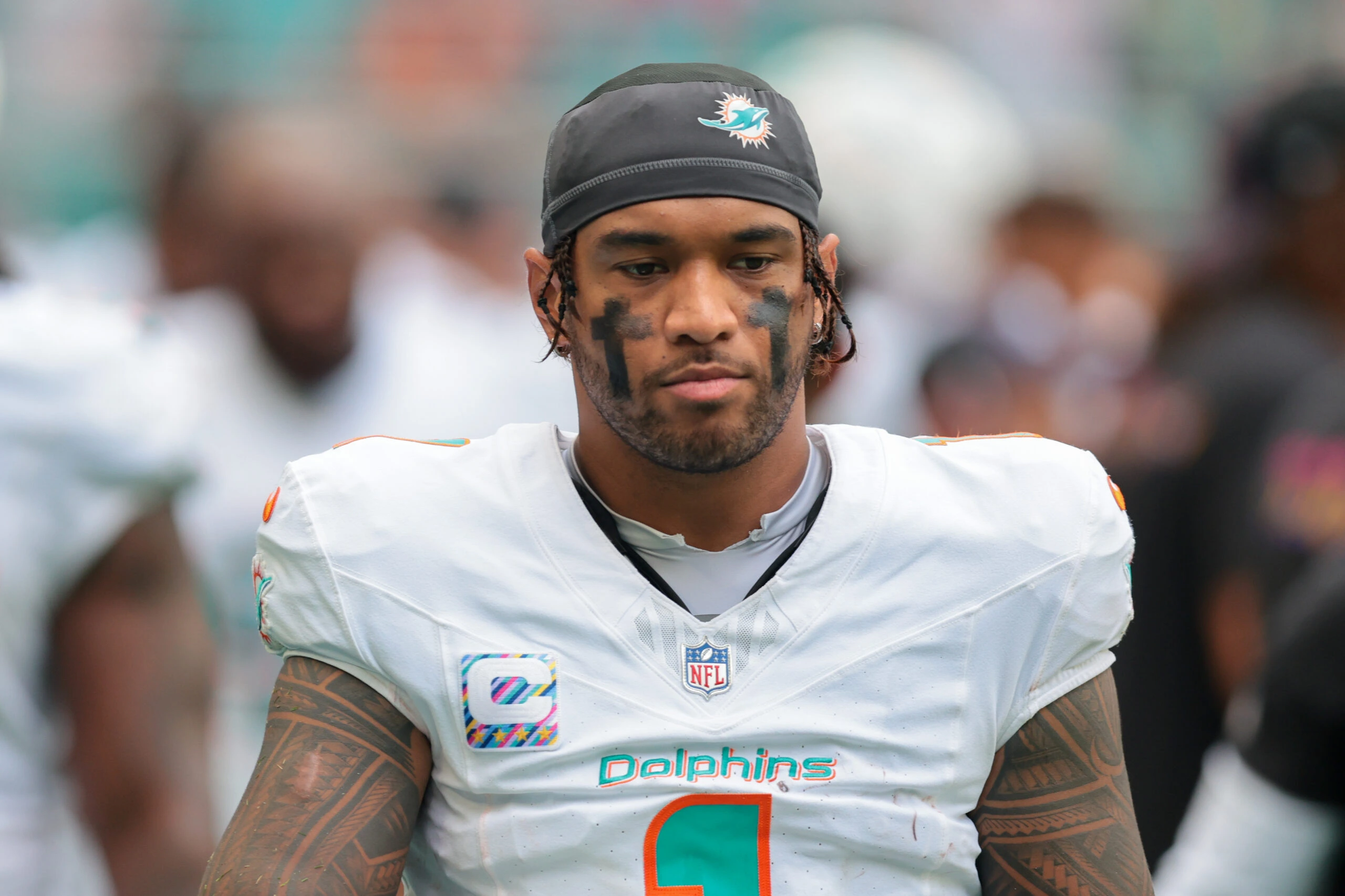
The Miami Dolphins announced Monday that they will release veteran quarterback Tua Tagovailoa after the start of the new league year in a move that underscores a full‑blown NFL rebuild and reshapes one of the franchise’s most consequential decisions in years.
The Tua Tagovailoa release marks a dramatic turning point for the Miami Dolphins as the organization embarks on a comprehensive rebuild that extends beyond the quarterback position.
General manager Jon‑Eric Sullivan said in a statement that the team respects Tagovailoa’s contributions on and off the field but will pursue “infusing competition across the roster and establishing a strong foundation” moving forward.
Tagovailoa, 28, was selected with the fifth overall pick by the Dolphins in the 2020 NFL draft after a standout career at the University of Alabama.
He has played six seasons with Miami, highlighted by a Pro Bowl selection in 2023 when he led the league with 4,624 passing yards and by leading the NFL in passer rating and touchdown percentage in 2022.
Persistent injuries including multiple concussions limited his availability and contributed to uneven performance. During the 2025 season, Tagovailoa was benched in favor of rookie Quinn Ewers after throwing a league leading number of interceptions, according to NFL statistics.
Sports business analyst Darren Heitner, founder of Heitner Legal, said that the financial implications of the Tua Tagovailoa release go beyond cap figures and reflect “organizational commitment to reset culture and performance standards.”
Heitner noted that incurring record dead money could constrain future spending but might be offset by increased flexibility after June 1.
NFL economist Michael Leeds, professor at Emory University’s Goizueta Business School, said teams often accept short‑term financial pain for long term strategic gain and that the Dolphins’ decisions mirror other franchise rebuilds in league history.
Former NFL quarterback Trent Dilfer, Super Bowl XXXV champion and ESPN analyst, said the Tua Tagovailoa release “signals a league wide shift toward prioritizing quarterback durability and consistent production.”
Miami Dolphins fan and season ticket holder Laura Martinez said she was “saddened by the decision but hopeful the team’s rebuild will yield long term success.”
The Dolphins enter offseason free agency and the draft with significant resources and cap space but also with heightened scrutiny over quarterback options.
The Tua Tagovailoa release creates an open competition for the starting role while allowing Miami to pursue veteran and rookie alternatives.
NFL agent Drew Rosenhaus said teams will evaluate Tagovailoa’s medical evaluations closely before offering potential contracts but that opportunities could arise for a quarterback in the right system.
The Tua Tagovailoa release reflects a pivotal moment for the Miami Dolphins in reshaping their roster and strategic direction.
While the financial and competitive ramifications will unfold over the coming seasons, the decision underscores how NFL franchises navigate performance, health and long term planning in a complex sports business environment.
NOTE! This article was generated with the support of AI and compiled by professionals from multiple reliable sources, including official statements, press releases, and verified media coverage. For more information, please see our T&C.


