
SUMMARY
- Iran’s size and terrain make military operations more complex than in smaller regional states.
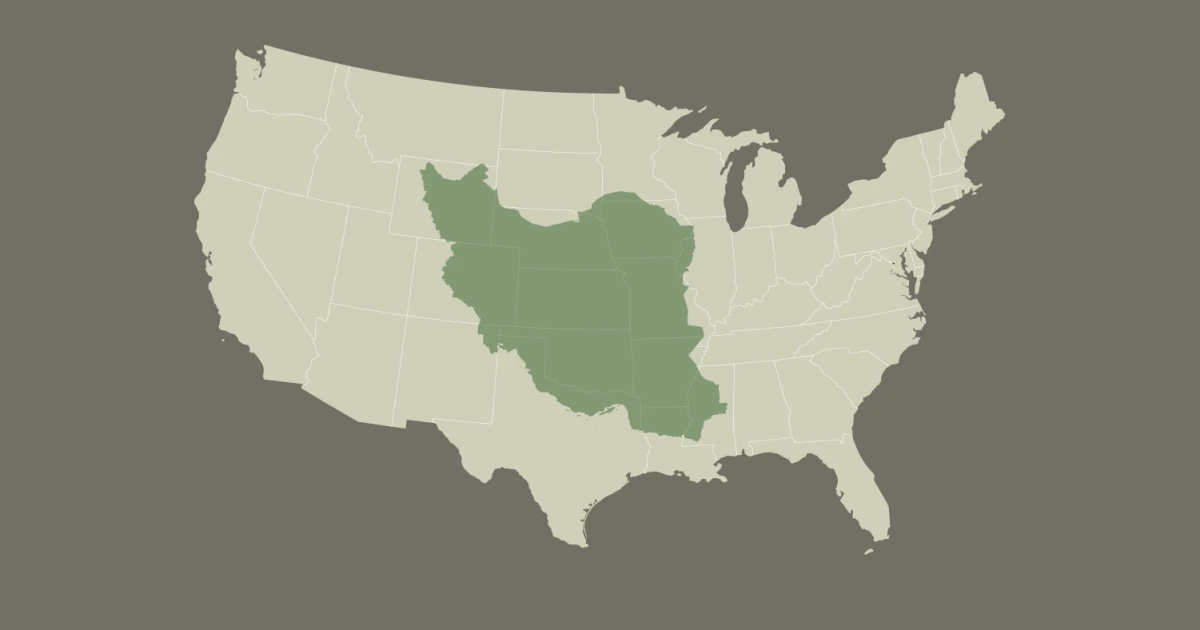
- A map comparing Iran with the fifty US states highlights the country’s vast territory.
- Public opinion in the United States remains divided over strikes on Iran.
Military strikes by the United States and Israel on Iran have killed at least 1,045 people since Saturday according to regional authorities as Tehran launched retaliatory drone and missile attacks on Israel and several Gulf countries escalating tensions across the Middle East.
As the conflict intensifies policymakers and analysts are examining Iran’s vast geography population centers and economic resources highlighting how the country’s size could shape military strategy and regional stability.
Iran covers roughly 1.65 million square kilometers placing it among the world’s largest countries by land area according to data from the United Nations and the World Bank.
The scale of the country has drawn renewed attention during the conflict as analysts assess how geography influences defense planning infrastructure protection and population safety during wartime.
Located in western Asia Iran shares land borders with Iraq Turkmenistan Afghanistan Pakistan Azerbaijan Turkiye and Armenia making it a central geographic hub in the region.
Its terrain ranges from rugged mountain chains to vast desert plateaus creating natural barriers that historically complicated large scale invasions and shaped internal development.
A visual comparison map circulating in international media shows that Iran is nearly as large as the US state of Alaska and significantly larger than most individual American states.
Analysts note that matching Iran’s total land area would require combining states such as Texas California Montana and Illinois.
“Iran’s geographic scale significantly influences military calculations,” said Ali Vaez director of the Iran Project at the International Crisis Group.
Large territory allows for dispersed infrastructure and population centers which can complicate targeting and defense planning during conflicts he said.
Suzanne Maloney vice president and director of foreign policy at the Brookings Institution said Iran’s terrain also shapes where most people live.
“The majority of Iran’s population is concentrated in the western half of the country where mountains fertile valleys and water sources support major cities and industries,” she said.
The comparison illustrates how Iran’s territory is roughly one sixth the size of the United States but about eighty times larger than Israel. Public opinion in the United States reflects divisions over the conflict.
According to polling data cited by the Pew Research Center only about one in four Americans approve of the strikes on Iran while support is higher among Republicans aligned with former president Donald Trump.
“Foreign policy views often follow partisan lines especially during overseas military actions,” said John Gramlich senior researcher at the Pew Research Center.
Analysts say the scale of Iran’s territory population and energy infrastructure could influence how the conflict develops in the coming weeks particularly if fighting expands beyond Israel and Iran or threatens key oil routes in the region.
As tensions continue between Iran the United States and Israel the country’s geographic scale remains a central factor shaping military strategy political debate and the broader implications of the conflict across the Middle East.
NOTE! This article was generated with the support of AI and compiled by professionals from multiple reliable sources, including official statements, press releases, and verified media coverage. For more information, please see our T&C.


