
SUMMARY
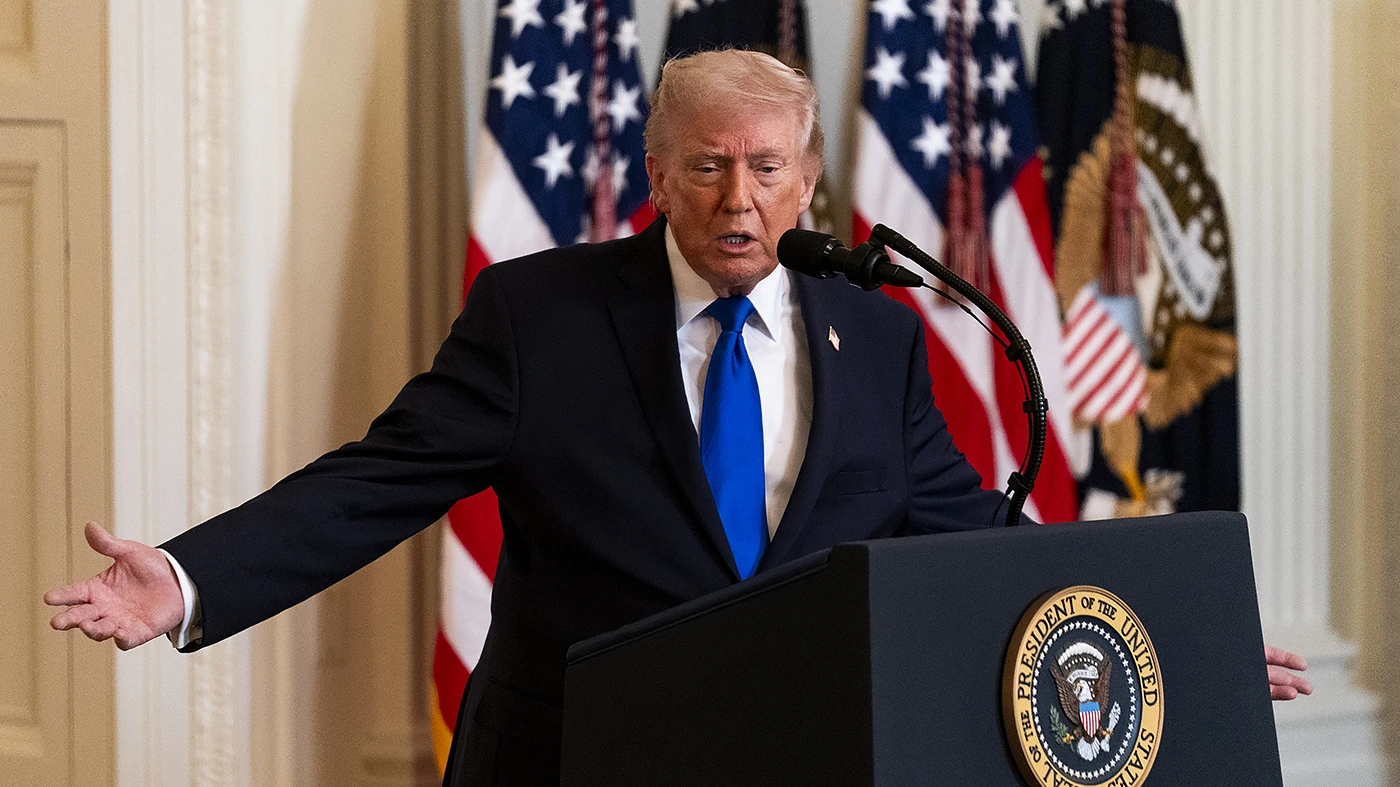
- Trump says any Iran deal requires “unconditional surrender,” signaling a hardened US stance in the Iran conflict.
- Airstrikes and missile launches between Iran and Israel expand the regional security crisis.
- UN Secretary General António Guterres urges urgent diplomacy to prevent the Iran conflict from spiraling further.
Airstrikes struck Iran’s capital early Saturday as US President Donald Trump said Washington would accept no agreement with Tehran short of “unconditional surrender,” intensifying a rapidly widening conflict that has already triggered missile exchanges with Israel, drone interceptions near Saudi oil infrastructure and urgent diplomatic warnings from the United Nations.
The escalating Iran conflict has unfolded across several fronts, combining aerial bombardment, missile strikes and geopolitical maneuvering among major powers.
Israeli forces said they launched a new wave of attacks targeting sites in Tehran while Iranian media reported retaliatory strikes toward Tel Aviv. Explosions were visible in the skies above the Israeli city, according to a CNN team on the ground.
Video circulating online and verified by journalists showed Tehran’s Mehrabad Airport engulfed in flames after the strikes. Iranian state television reported explosions in both eastern and western districts of the capital.
The airport, which serves domestic and military flights, sits close to several government and security facilities.
Iranian outlets also reported missile launches toward Israel while Saudi Arabia’s Ministry of Defense said four drones heading toward the Shaybah oil field were intercepted and destroyed.
The expanding battlefield has heightened fears that the Iran conflict could threaten energy supplies and shipping lanes across the Middle East.
United Nations Secretary-General António Guterres warned that continued escalation risks consequences beyond the immediate combatants.
“The situation could spiral beyond anyone’s control,” Guterres said while calling for serious diplomatic negotiations.
Ali Vaez, Iran project director at the International Crisis Group, said the confrontation reflects a breakdown of already fragile regional diplomacy.
“When military signaling replaces negotiation channels, miscalculation becomes far more likely,” Vaez said, noting that parallel contacts between Tehran and Moscow could influence the conflict’s trajectory.
Patrick De Haan, head of petroleum analysis at GasBuddy, said markets often react quickly to conflict involving oil producing regions.
“Even limited disruption in the Gulf can push fuel prices upward because traders anticipate supply risks,” De Haan said.
Meanwhile, US Defense Secretary Pete Hegseth said Washington is monitoring contacts between foreign governments and Iran amid reports that Russia may be sharing intelligence with Tehran.
“We’re tracking everything,” Hegseth said in a television interview. Diplomatic activity is continuing alongside the military escalation.
Russian President Vladimir Putin and Iranian President Masoud Pezeshkian spoke by phone and agreed to maintain contact, according to Russia’s state news agency TASS. European leaders have also called for restraint as the Iran conflict widens.
The widening Iran conflict is unfolding at a moment of already strained relations between Washington, Tehran and several regional actors.
Repeated exchanges of missiles, drones and airstrikes are raising concerns among diplomats that miscalculation could trigger a broader regional war involving multiple states.
International organizations are urging renewed negotiations to prevent further civilian harm after reports that strikes damaged hospitals, schools and other civilian infrastructure in Iran.
For now, military operations and political messaging continue simultaneously, leaving global markets, regional governments and humanitarian agencies closely watching whether diplomacy can slow the conflict before it spreads further across the Middle East with unpredictable security and economic consequences for the wider international community in coming
NOTE! This article was generated with the support of AI and compiled by professionals from multiple reliable sources, including official statements, press releases, and verified media coverage. For more information, please see our T&C.


