
KEY POINTS
- Iran’s airspace closure affected multiple commercial flights, requiring reroutes or denials of entry.
- US and UK government advisories cited heightened risk of regional escalation.
- Rising tensions coincide with global scrutiny of Iran’s domestic crackdown and potential military actions.
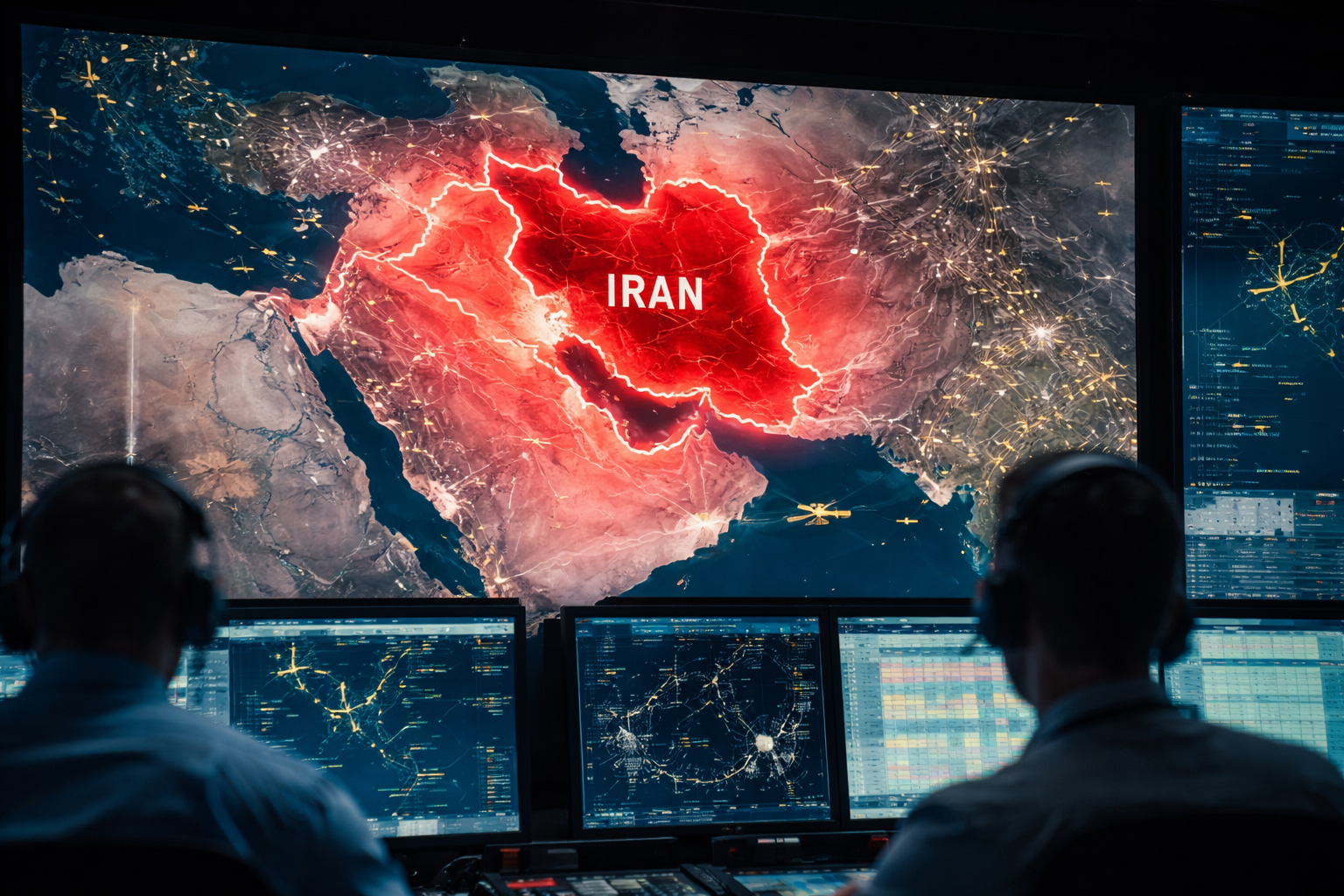
Iran issued a notice to airmen late Wednesday closing its airspace to all flights except international flights with prior permission, amid escalating regional tensions.
US and UK officials warned travelers to exercise heightened caution and limit non essential travel to Israel.
The temporary closure of Iran’s airspace Wednesday highlighted rising geopolitical tensions in the Middle East.
The action, in effect for just over two hours, forced airlines to reroute flights or seek permission for entry, affecting international travel schedules and raising concern among foreign governments.
Iran’s directive comes amid heightened scrutiny of the government’s response to widespread protests.
The demonstrations, sparked by economic grievances and political repression, have reportedly resulted in more than 3,000 deaths.
In parallel, US and UK officials issued warnings against all but essential travel to Israel and advised heightened vigilance at key military bases, citing potential regional fallout.
“Temporary airspace closures are often used as precautionary measures in tense geopolitical climates,” said Dr. Hadi Farzan, a Middle East security analyst.
“These actions signal both a show of sovereignty and a potential readiness to escalate if provoked.” US officials have moved personnel amid rising tensions, underscoring the strategic unpredictability in US Iran interactions.
“Planes were immediately redirected, causing delays and operational challenges,” said a commercial airline spokesperson tracking Flight Radar 24 data. “Passengers remain anxious amid uncertainty over regional developments.”
Officials caution that continued domestic unrest in Iran, combined with heightened US Iran military readiness, may trigger additional temporary travel restrictions.
Governments are likely to monitor developments closely while advising civilians to avoid non essential travel. Iran’s airspace closure underscores the volatility in Middle East travel and security.
Foreign advisories reflect the broader concern over regional escalation and its impact on international aviation and diplomatic stability.
Author’s Perspective
In my analysis, Iran’s airspace closure signals a strategic pivot in Middle East risk management, reflecting broader geopolitical volatility.
I predict accelerated adoption of dynamic flight routing protocols and AI driven risk assessment by airlines.
Travelers and businesses must monitor advisories closely. Prioritize real time route analytics to mitigate disruption.
NOTE! This report was compiled from multiple reliable sources, including official statements, press releases, and verified media coverage.


