
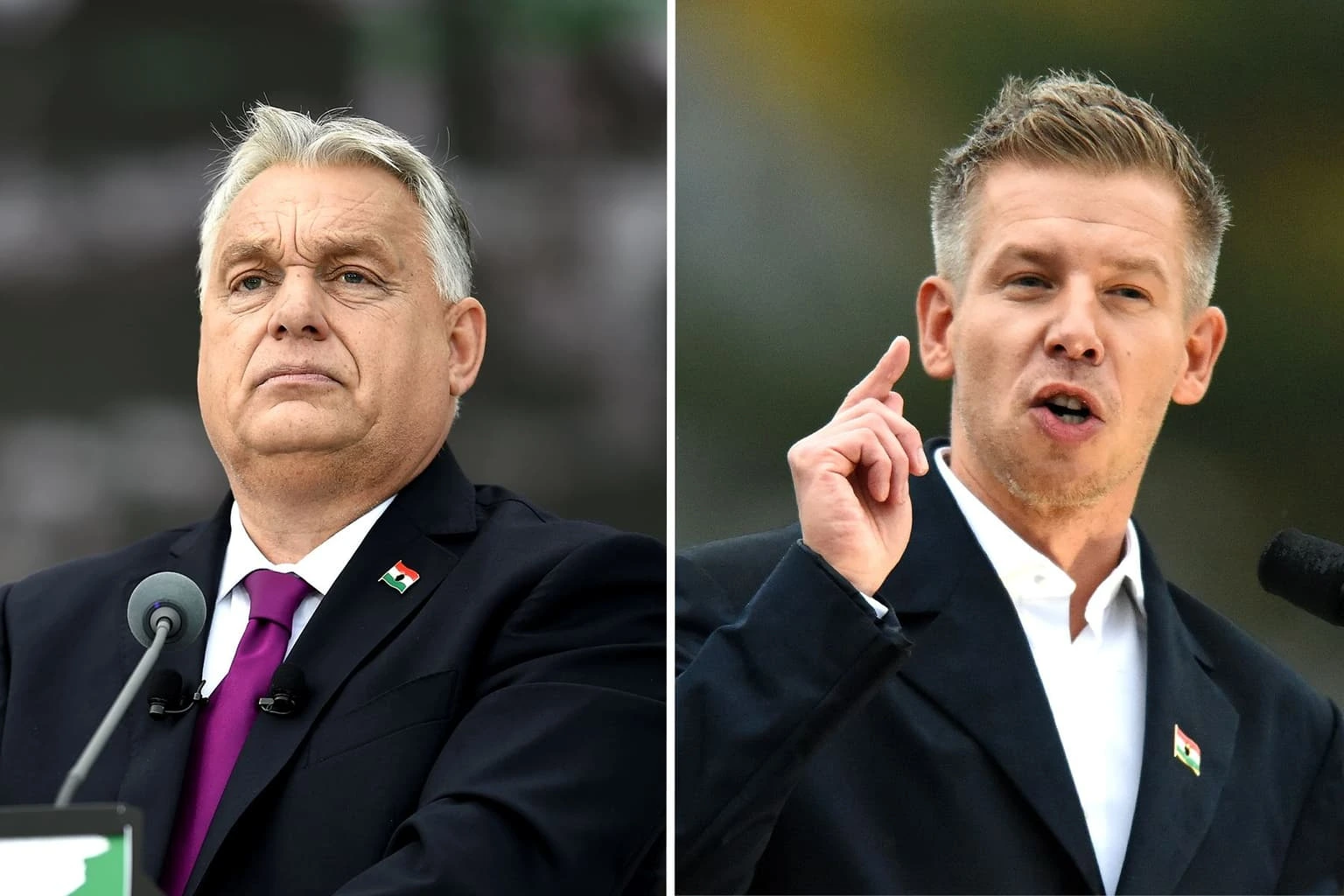
In a decisive Hungary election 2026 result, Viktor Orban conceded defeat Sunday to challenger Peter Magyar, ending a sixteen year rule amid record turnout and shifting voter sentiment.
SUMMARY
- Magyar’s coalition is projected to secure a two thirds parliamentary majority, enabling sweeping constitutional and institutional reforms.
- The outcome signals voter fatigue with centralized governance and economic stagnation in Hungary.
- European Union policymakers are preparing for a recalibrated relationship with Budapest.
The Hungary election 2026 marks a turning point for Europe’s political balance, as one of the European Union’s most prominent nationalist leaders exits power.
The result carries implications for EU cohesion, NATO alignment and regional economic policy at a time of heightened geopolitical tension.
Orban rose to dominance after 2010, consolidating power through constitutional changes and media influence. His Fidesz party maintained repeated electoral victories, often benefiting from a fragmented opposition.
Magyar, a former insider, emerged in 2024 with an anti corruption platform. By early 2026, his Tisza aligned movement unified opposition groups, capitalizing on inflation pressures and public service dissatisfaction.
“This is not just an electoral loss, it is a structural political reset,” said Zselyke Csaky, senior fellow at the German Marshall Fund. She noted the scale of Magyar’s mandate could reverse institutional changes enacted over the past decade.
Laszlo Bruszt, professor at Central European University, said economic stagnation played a decisive role. “Hungarian households faced declining real incomes for nearly three years. That eroded the government’s core support base,” he said.
The endorsement of Orban by Donald Trump added international attention but did not translate into domestic gains. Analysts point to a disconnect between foreign policy positioning and local economic concerns.
“I voted for change because daily life became harder,” said Orsolya Rozgonyi, a Budapest based HR manager. “This feels like a reset moment.”
Gergely Gulyas, Orban’s chief of staff, acknowledged the clarity of the result but said institutions would ensure continuity during transition.
At a polling station, Maria Toth, a mother of two, expressed concern about uncertainty. “Stability matters. I hope the new leadership protects families,” she said.
Over the next six to twelve months, Magyar’s government is expected to prioritize anti corruption legislation, judicial independence reforms and negotiations with EU institutions to unlock frozen funds.
According to the European Commission, Hungary has billions of euros in suspended funding tied to rule of law conditions. Early compliance signals could stabilize markets and strengthen the forint.
However, policy shifts on Russia and Ukraine may test Hungary’s existing energy arrangements and diplomatic ties.
The Hungary election 2026 underscores a broader European pattern in which economic pressures and governance concerns reshape long standing political dominance, carrying implications for institutional alignment across the European Union and transatlantic partnerships.
NOTE! This article was generated with the support of AI and compiled by professionals from multiple reliable sources, including official statements, press releases, and verified media coverage. For more information, please see our T&C.


