
KEY POINTS
- Don Lemon was arrested after covering an anti immigration protest at a Minnesota church linked to an ICE official.
- Federal prosecutors have not publicly identified the charges following a judge’s earlier rejection of an initial bid.
- The case has renewed scrutiny of press protections during protests involving immigration enforcement.
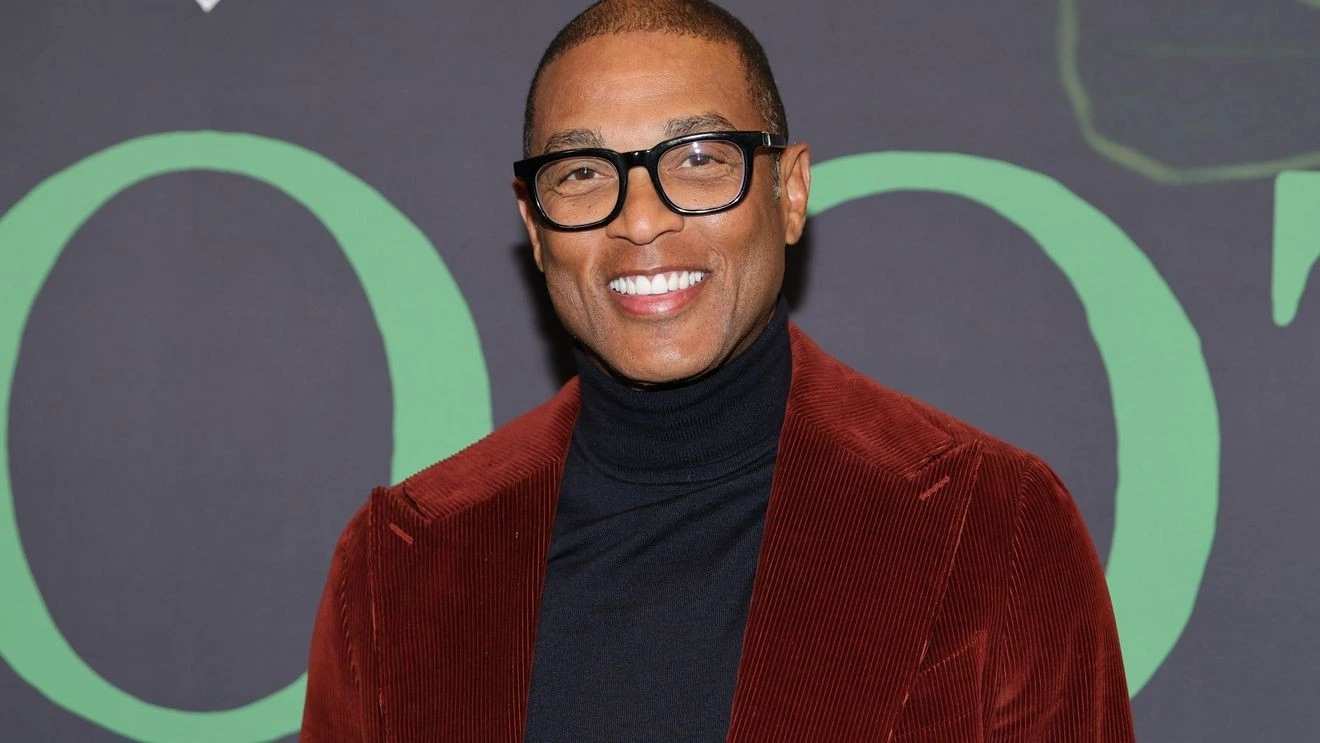
WASHINGTON — Journalist Don Lemon was arrested by federal agents in Los Angeles in connection with an anti immigration protest that disrupted a church service in Minnesota, his attorney said Friday, escalating tensions between the Trump administration and press freedom advocates.
The arrest of Lemon, a veteran television journalist fired from CNN in 2023, places renewed focus on how federal authorities treat reporters covering politically charged protests.
The incident comes amid heightened national debate over immigration enforcement and the role of journalists at demonstrations involving federal agencies.
Lemon was detained after federal agents took him into custody in Los Angeles, where he had been covering the Grammy Awards, according to his lawyer, Abbe Lowell.
The arrest stems from a Jan. 18 protest at Cities Church in St. Paul, Minnesota, where demonstrators interrupted a service by chanting slogans critical of US Immigration and Customs Enforcement.
Prosecutors previously sought to charge Lemon but were rebuffed last week by a magistrate judge, who declined to approve the initial request. Authorities have not publicly disclosed what charges, if any, they now intend to pursue.
Cities Church is affiliated with the Southern Baptist Convention and lists David Easterwood as a pastor.
Easterwood also leads an ICE field office, a dual role that has drawn attention because many Baptist pastors maintain secular employment alongside ministry duties.
Lowell said Lemon had no organizational ties to the protesters and was present solely to document events.
“Don has been a journalist for 30 years, and his constitutionally protected work in Minneapolis was no different than what he has always done,” Lowell said.
Jameel Jaffer, executive director of the Knight First Amendment Institute at Columbia University, said arrests of journalists during protests raise serious concerns.
“Law enforcement must distinguish between participation and documentation,” Jaffer said, noting that courts have repeatedly affirmed press protections in public spaces.
Former Justice Department official Mary McCord, now a visiting professor at Georgetown Law, said the case underscores legal ambiguity.
“The facts matter greatly,” she said. “If a journalist is acting independently and not coordinating with protesters, First Amendment protections are at their strongest.”
Attorney General Pam Bondi said the administration views the church disruption as a civil rights issue. “We do not tolerate attacks on places of worship,” Bondi wrote in a social media post.
Civil rights lawyer Nekima Levy Armstrong, who has represented protesters in Minnesota, said the federal response has unsettled local communities. “People see unequal enforcement priorities, and that erodes trust,” she said.
Federal prosecutors have not indicated whether they will refile charges or pursue additional investigations related to the protest or related shootings involving ICE officers.
Court filings in the coming weeks are expected to clarify the government’s legal theory. Lemon’s arrest adds to a growing list of high profile clashes between journalists and federal authorities during protests.
The outcome may shape how reporters cover immigration enforcement and other contentious issues in the months ahead.
Author’s Perspective
In my analysis, the Don Lemon arrest reflects a widening fault line between federal enforcement priorities and First Amendment jurisprudence, particularly around protest journalism.
From a strategic perspective, the case signals a tougher federal posture that risks chilling on the ground reporting during immigration related demonstrations.
I predict clearer DOJ guidelines or court-driven standards defining journalist presence versus participation at protests. For everyday citizens, this shapes what information reaches them uncensored.
Journalists and outlets should document assignments, credentials and editorial intent in real time to mitigate legal exposure.
NOTE! This article was generated with the support of AI and compiled by professionals from multiple reliable sources, including official statements, press releases, and verified media coverage. For more information, please see our T&C.


