
SUMMARY
- Reports indicate DHS leadership has faced internal disagreements over enforcement strategy, particularly in Minnesota, where federal operations met public criticism.
- Adviser Corey Lewandowski has reportedly exercised influence over personnel decisions and contract approvals beyond typical temporary advisory roles.
- Congressional members and watchdogs have raised concerns about accountability, ethics compliance, and adherence to standard operational procedures.
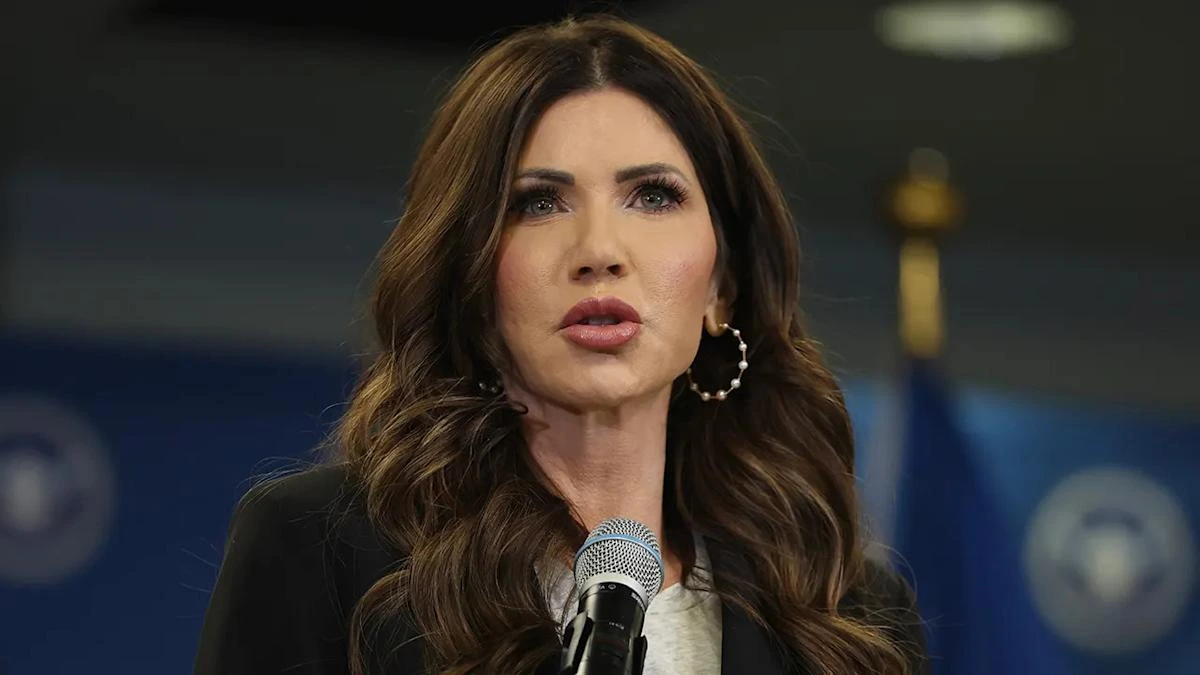
WASHINGTON — Leadership disputes at the US Department of Homeland Security (DHS) have drawn national scrutiny, as reports emerge of internal conflicts between Secretary Kristi Noem and senior advisers, including former Trump campaign manager Corey Lewandowski.
Allegations of mismanagement, personnel disputes, and unconventional operational decisions have surfaced amid broader debates over immigration enforcement and agency oversight.
The internal tensions were described in reporting by The Wall Street Journal, citing multiple current and former DHS officials, and have prompted questions from Congress about decision making authority and oversight within the department.
The DHS oversees immigration enforcement, border security, and disaster response, making operational consistency and clear chains of authority crucial.
Sources familiar with internal dynamics describe clashes between political appointees and career officials over how enforcement operations are implemented and communicated to the public.
These disagreements have occasionally involved disputes over personnel assignments and management practices, drawing attention from both Democratic and Republican lawmakers.
A key point of contention reportedly involves enforcement operations in Minneapolis, where federal agents were involved in high profile actions that drew criticism for their handling of protests and arrests.
Officials said Secretary Noem and Lewandowski pressured acting ICE Director Todd Lyons to modify strategies after public backlash, despite Lyons previously advocating similar measures.
Kristi Noem, appointed Secretary of Homeland Security under the Trump administration’s second term, leads a department tasked with enforcing complex immigration and border laws.
Corey Lewandowski serves as a special government adviser with temporary federal authority, a role that typically limits influence to specific policy guidance.
Reports indicate Lewandowski has taken a hands on role in overseeing contracting and personnel matters, raising questions about scope of authority.
Congressional Democrats have formally requested clarification regarding the extent of Lewandowski’s responsibilities, citing concerns over ethics, temporary appointment limitations, and adherence to federal regulations.
The House Oversight Committee highlighted the need for transparency to maintain public confidence in DHS operations.
Barbara L. McQuade, a professor of law at the University of Michigan, said, “Federal agencies require clear internal structures and accountability.
When political advisers assume operational authority without oversight, it can undermine both mission effectiveness and public trust.”
Luke Hartman, a former Homeland Security senior official, emphasized the importance of collaboration between political appointees and career staff.
“Leadership in sensitive agencies must maintain open communication with experienced civil servants to ensure lawful, effective operations,” Hartman said.
Officials familiar with the department described tension among staff, particularly regarding the allocation of responsibilities and enforcement priorities.
A DHS career official, speaking on condition of anonymity, said, “There’s frustration among staff when directives appear to bypass standard procedures.”
Representative Jamie Raskin, a senior Democrat on the House Oversight Committee, said congressional review seeks to ensure “all officials act within legal and ethical boundaries and that career staff have a clear role in operational decisions.”
Oversight and congressional inquiries are expected to continue in the coming months, focusing on departmental authority structures, adherence to federal ethics standards, and the implementation of enforcement policies.
Both internal reforms and external accountability measures may follow as lawmakers and agency officials address the reported management challenges.
The emerging scrutiny highlights the balance federal agencies must maintain between political leadership, career staff authority, and public accountability.
DHS operations remain under observation as lawmakers assess the impact of leadership decisions on enforcement efficiency, ethical compliance, and public trust.
NOTE! This article was generated with the support of AI and compiled by professionals from multiple reliable sources, including official statements, press releases, and verified media coverage. For more information, please see our T&C.


