SoftBank to buy ABB robotics unit in $5.4 billion deal to boost AI ambitions

SoftBank founder Masayoshi Son stands beside an ABB industrial robot in front of SoftBank headquarters after announcing the $5.4 billion deal to buy ABB’s robotics unit.

TOKYO — SoftBank Group Corp. announced Monday that it has agreed to acquire the robotics division of Swiss engineering firm ABB for $5.4 billion, a move signaling the Japanese technology conglomerate’s renewed push into robotics and artificial intelligence.  The deal, subject to regulatory approval across multiple markets, marks one of SoftBank’s largest acquisitions in recent … Read more

Anthropic India Office Plans Signal AI Push With Reliance and Mukesh Ambani

Aerial view of Bengaluru city skyline featuring modern office towers surrounded by greenery, symbolizing Anthropic’s India office expansion and partnership plans with Reliance Industries.

BENGALURU, India — Artificial intelligence startup Anthropic is preparing to establish a major presence in India, with plans to open a new office in Bengaluru and explore a strategic partnership with Mukesh Ambani’s Reliance Industries, people familiar with the matter told TechCrunch.  The move highlights Anthropic’s effort to expand in its second largest market after … Read more

China manufacturing leads the world as 300,000 new robots boost factories amid population decline

Industrial robots operating under China’s national flag symbolizing automation and China manufacturing growth

Shanghai, China — China’s manufacturing sector continues to hum despite demographic headwinds, with nearly 300,000 new industrial robots installed last year, helping offset a declining workforce and maintaining the nation’s edge as the world’s largest manufacturing hub. The country installed 295,000 industrial robots in 2024, according to the International Federation of Robotic World Robotics Report, … Read more

Germany AI government push aims to cut bureaucracy costs and modernize public services

Germany AI government modernization plan in Berlin skyline

BERLIN — Germany’s federal government is placing artificial intelligence (AI) at the center of its modernization efforts, unveiling a wide ranging plan to digitize bureaucracy, streamline public administration, and position the country as a European leader in responsible AI adoption.  The initiative, announced last week by Chancellor Friedrich Merz’s cabinet, aims to reduce bureaucracy costs … Read more

OpenAI Infrastructure Expansion: WSJ Reports Altman Seeks Funding and AI Chip Partnerships in Asia and Middle East

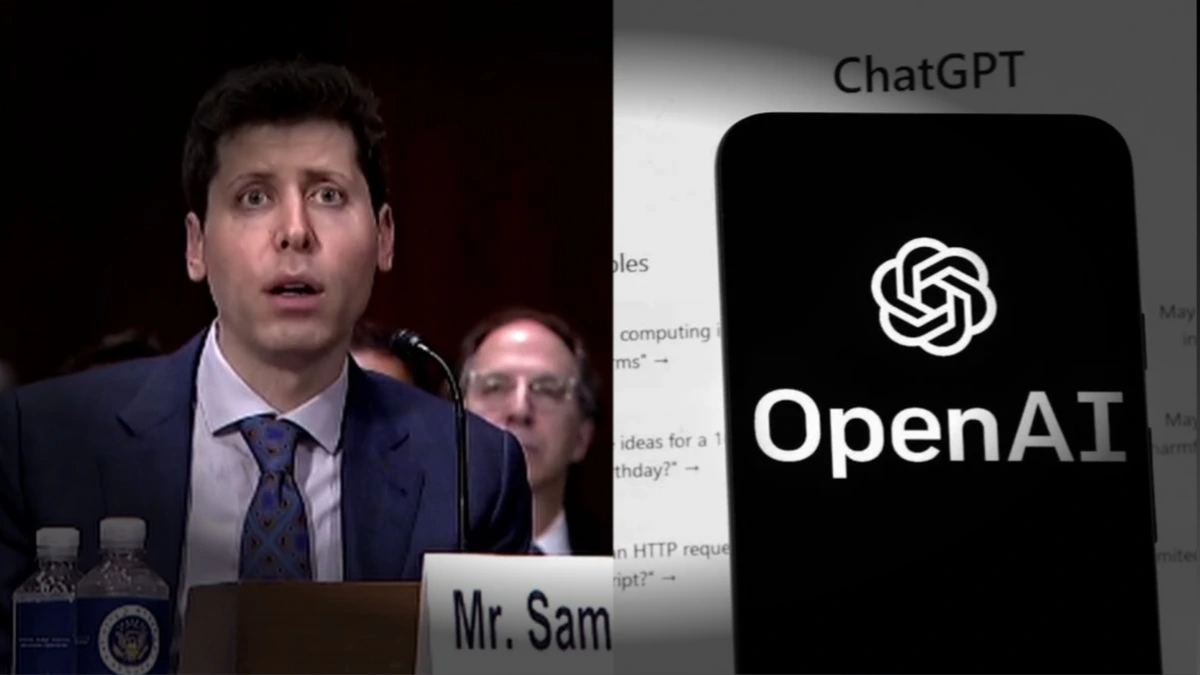
OpenAI CEO Sam Altman discusses global fundraising strategy for OpenAI infrastructure expansion across Asia and the Middle East.

WASHINGTON — OpenAI CEO Sam Altman has embarked on a global tour spanning East Asia and the Middle East to secure financing and manufacturing partnerships for the company’s rapidly expanding artificial intelligence infrastructure, according to sources familiar with the matter. Since late September, Altman has met with top technology suppliers in Taiwan, South Korea, and … Read more

Trump Policies and Job Cuts, AI Isn’t the Real Threat to US Employment

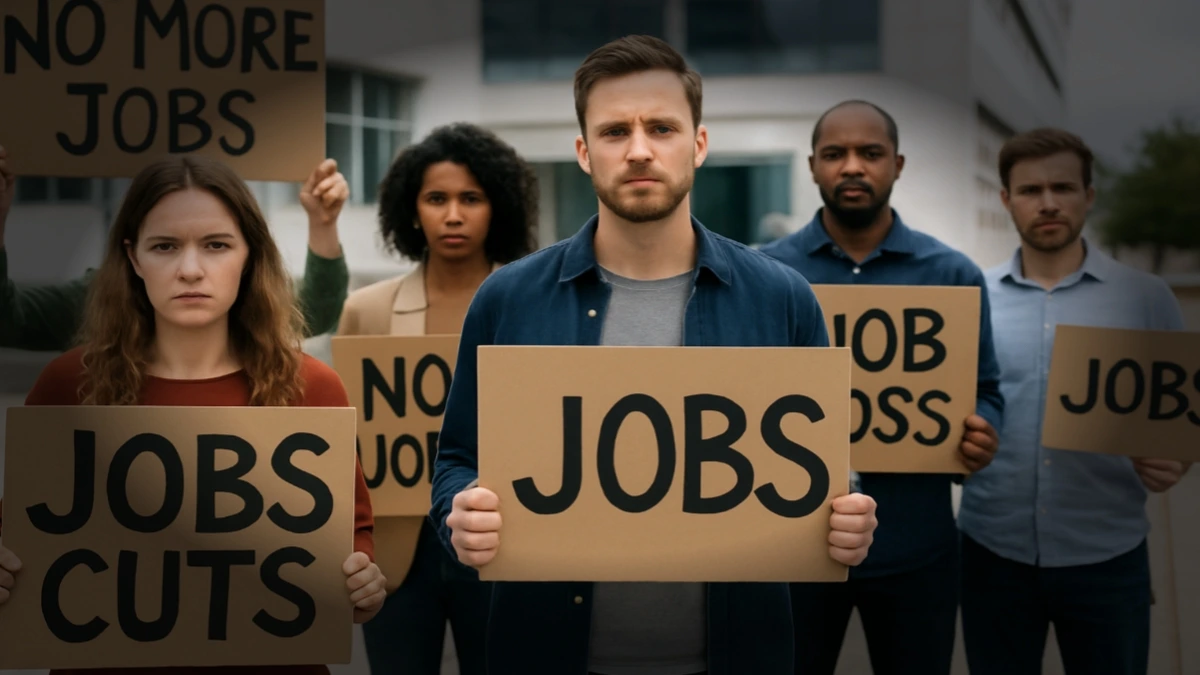
The American labor market is facing growing instability, but artificial intelligence isn’t the main culprit. Despite fears that automation would wipe out millions of jobs, new data from the Yale Budget Lab shows Trump policies and job cuts are far more closely linked than AI to the current employment crisis. Economic experts, labor data, and employer feedback all suggest that government actions including agency downsizing, tariffs, and restrictive immigration rules have accelerated job losses and slowed hiring nationwide. Since the emergence of AI tools like ChatGPT in 2022, the public has worried about widespread job displacement. Yet, a 33 month study by the Yale Budget Lab found minimal evidence that artificial intelligence has eliminated large numbers of jobs or drastically changed overall employment demand. Instead, Trump administration policies have had a deeper and more immediate effect. Researchers identified nearly 300,000 planned layoffs tied directly to “DOGE Actions,” including cuts to federal agencies and nonprofit funding. Analysts say these choices have weakened both public and private sector hiring. The fear around AI has overshadowed the real policy driven disruptions shaping today’s job market, said Dr. Helen Parker, economist at Yale Budget Lab. “Our data clearly point to Trump policies and job cuts as a stronger causal link than automation.” Career experts also report that AI’s impact is more subtle than sensational headlines suggest. “There’s been a lot of hype but no real job destruction yet,” said Cynthia Meis, Director of Career Services at the University of Iowa Tippie College of Business. Companies are cautious, but the hiring slowdown is mainly due to economic policy shifts. Labor specialists say Trump’s tariffs, agency cuts, and restrictive immigration fees have strained employers and reduced workforce confidence. “Policy uncertainty is a powerful drag,” said Andy Challenger, senior vice president at Challenger, Gray & Christmas. “We’re seeing more planned layoffs tied to market conditions created by Trump policies, not automation.” The numbers reinforce that trend. ADP and the Stanford Digital Economy Lab reported that private sector employers cut 3,000 jobs in August and 32,000 in September, reversing earlier estimates of modest growth. Outplacement firm Challenger, Gray & Christmas recorded 117,313 new jobs in September, a 71% drop year over year the weakest since 2011. Year to date, only 205,000 jobs have been announced, the lowest total since 2009. So far in 2025, employers have revealed 946,426 planned layoffs, projected to surpass one million by year’s end. Of those, 20,000 linked to automation or AI. 300,000 tied directly to Trump administration actions, 210,000 due to tariffs and inflationary conditions. Even manufacturing, once promised revival under Trump, has lost 42,000 jobs since April’s “Liberation Day” trade policy shift, according to Bureau of Labor Statistics data. Workers and employers alike describe a strained job environment. “It’s harder than ever to land a position,” said Amanda Lopez, a 29 year old marketing professional in Dallas. “Employers tell me hiring is paused because of budgets, not AI.” Small business owners echo similar frustrations. “Tariffs have pushed my material costs up 15%,” said James O’Reilly, who runs a manufacturing firm in Ohio. “We had to freeze hiring until conditions improve.” Career services teams report students struggling with long hiring cycles. “Employers now demand multiple interviews and longer processes,” Meis said. “It’s exhausting candidates and slowing job growth.” Analysts warn more turbulence ahead as Trump policies continue reshaping the labor landscape. The administration’s new $100,000 fee on H-1B visas crucial for tech and healthcare employers has already discouraged international hiring. “Restricting skilled immigration could deepen labor shortages in critical sectors,” Parker said. Meanwhile, inflation pressures persist. The University of Michigan projects 4.7% inflation next year, and consumer prices have risen 2.7% in the past twelve months. Wage growth for low income workers has slowed, widening the gap between top earners and the rest of the workforce. Living costs are climbing while opportunities shrink Challenger said. “That imbalance could further weaken the labor market.” Despite public anxiety about automation, AI is not the driving force behind America’s job losses. The evidence points squarely at Trump policies and job cuts fueled by government downsizing, tariffs, and restrictive hiring regulations. As the US economy navigates uncertainty, experts urge policymakers to balance fiscal discipline with labor market stability to prevent further erosion of employment opportunities.

The American labor market is facing growing instability, but artificial intelligence isn’t the main culprit. Despite fears that automation would wipe out millions of jobs, new data from the Yale Budget Lab shows Trump policies and job cuts are far more closely linked than AI to the current employment crisis. Economic experts, labor data, and … Read more

DoorDash Robot Deliveries Are Here: Company Shocks Market With Restaurant Reservations Expansion

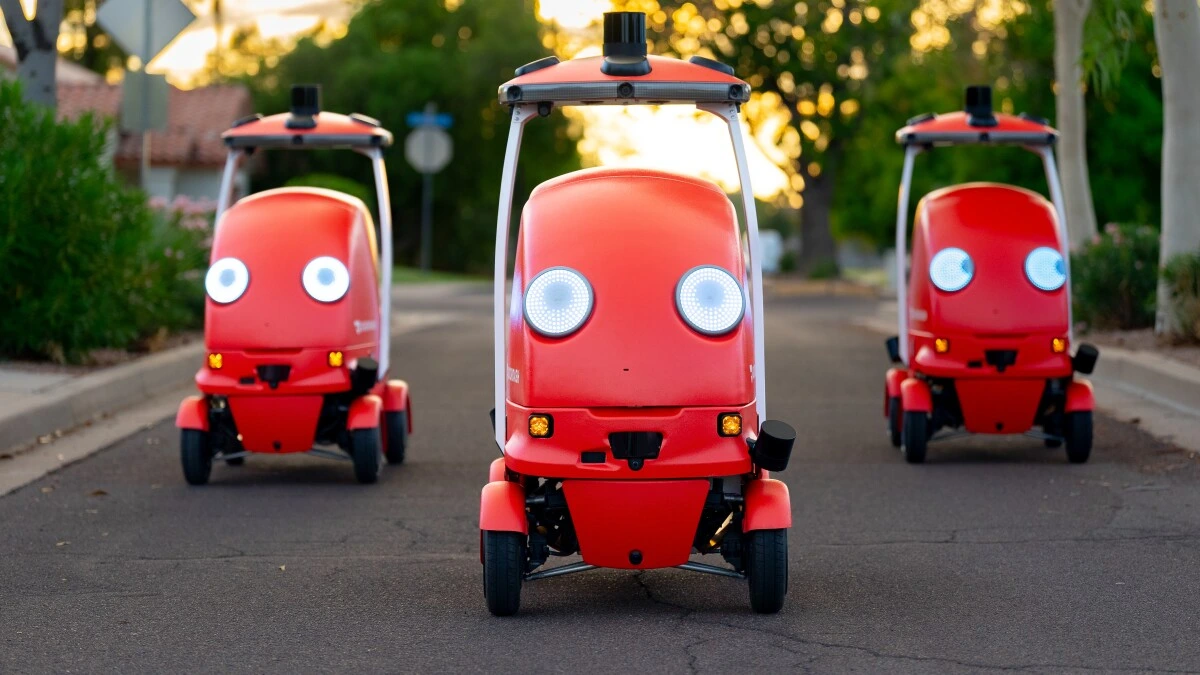
DoorDash robot deliveries debut in U.S. with new autonomous robot Dot and restaurant reservation expansion

SAN FRANCISCO — DoorDash is expanding its services beyond traditional food delivery, introducing restaurant reservations and autonomous robot deliveries in select US markets as it looks to stay ahead in the competitive on demand delivery industry. The San Francisco based company announced Tuesday it will roll out a new Going Out tab for restaurant reservations … Read more

OpenAI unveils Sora 2 with user cameos, launches new AI video and audio app

OpenAI Sora 2 AI video generation model showcasing photorealistic scenes and realistic visuals

SAN FRANCISCO — OpenAI on Tuesday unveiled Sora 2, the latest version of its artificial intelligence model for generating video and audio, alongside a new mobile app that allows users to create and share AI generated clips featuring “cameos” of themselves and others. Introduced during a livestreamed event, Sora 2 builds on the company’s earlier … Read more

Amazon and Google Tip Off Nvidia CEO Secret Briefings Reveal Who Really Controls the AI Chip Race

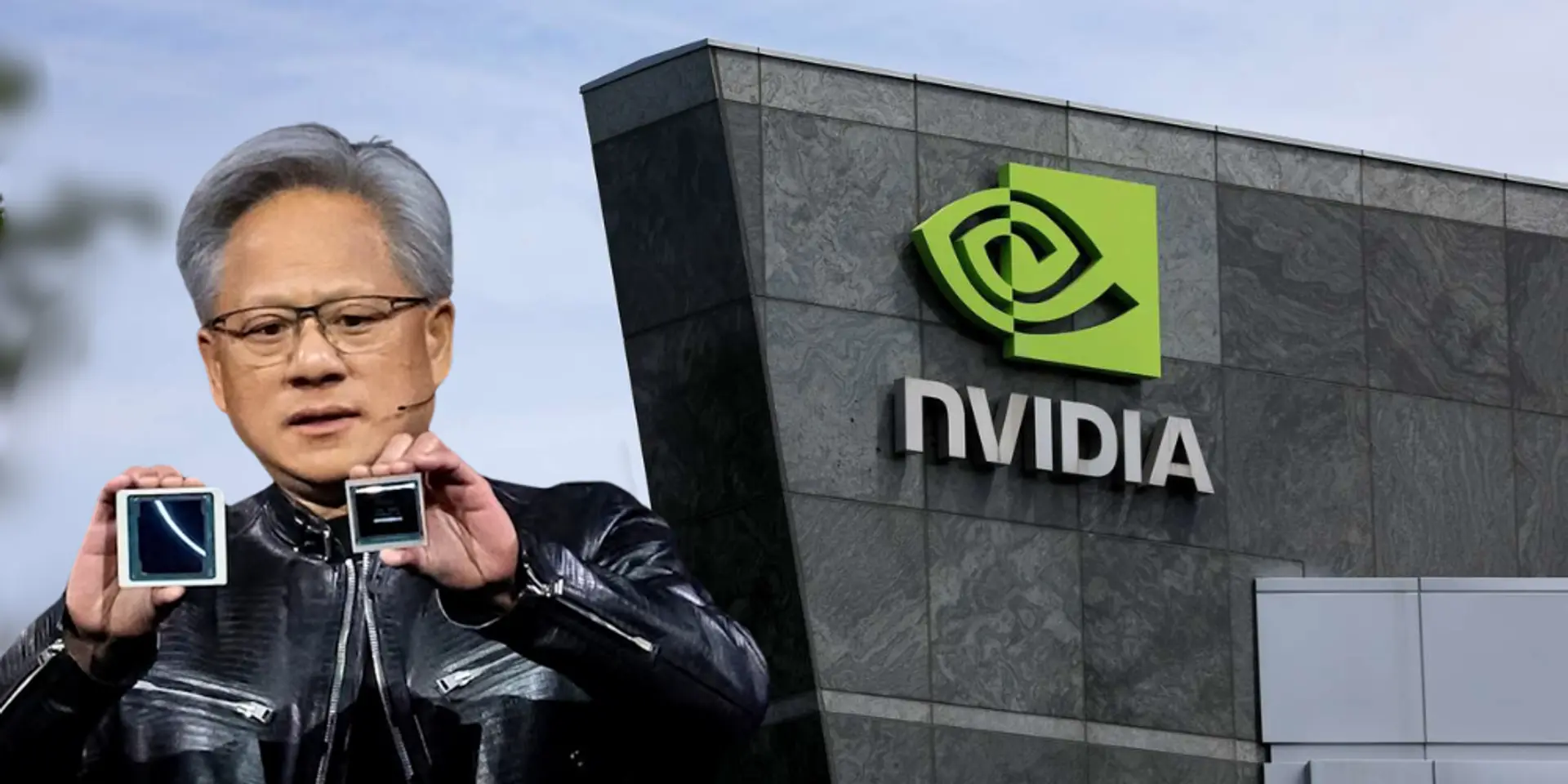
Amazon and Google tip off Nvidia CEO Jensen Huang before unveiling AI chips, reflecting Nvidia’s dominance in the AI hardware market.

SAN FRANCISCO — Before announcing their latest artificial intelligence chips, Amazon and Google tip off Nvidia CEO Jensen Huang, according to a new report from The Information.  The practice underscores Nvidia’s commanding position in the AI hardware ecosystem, where its GPUs power the majority of training and inference workloads for large scale AI models. Sources … Read more

South Korea’s Homegrown AI Shocks the World A Bold Plan to Beat OpenAI and Google

A South Korean professional observing a glowing AI interface symbolizing South Korea homegrown AI innovation and technology development.

Artificial intelligence is no longer just a tool it’s a matter of national power. From the US to China, countries are racing to build sovereign AI systems that reflect their language, values, and strategic priorities.  South Korea homegrown AI is the latest entrant in this global race and Seoul is making bold moves to ensure … Read more