
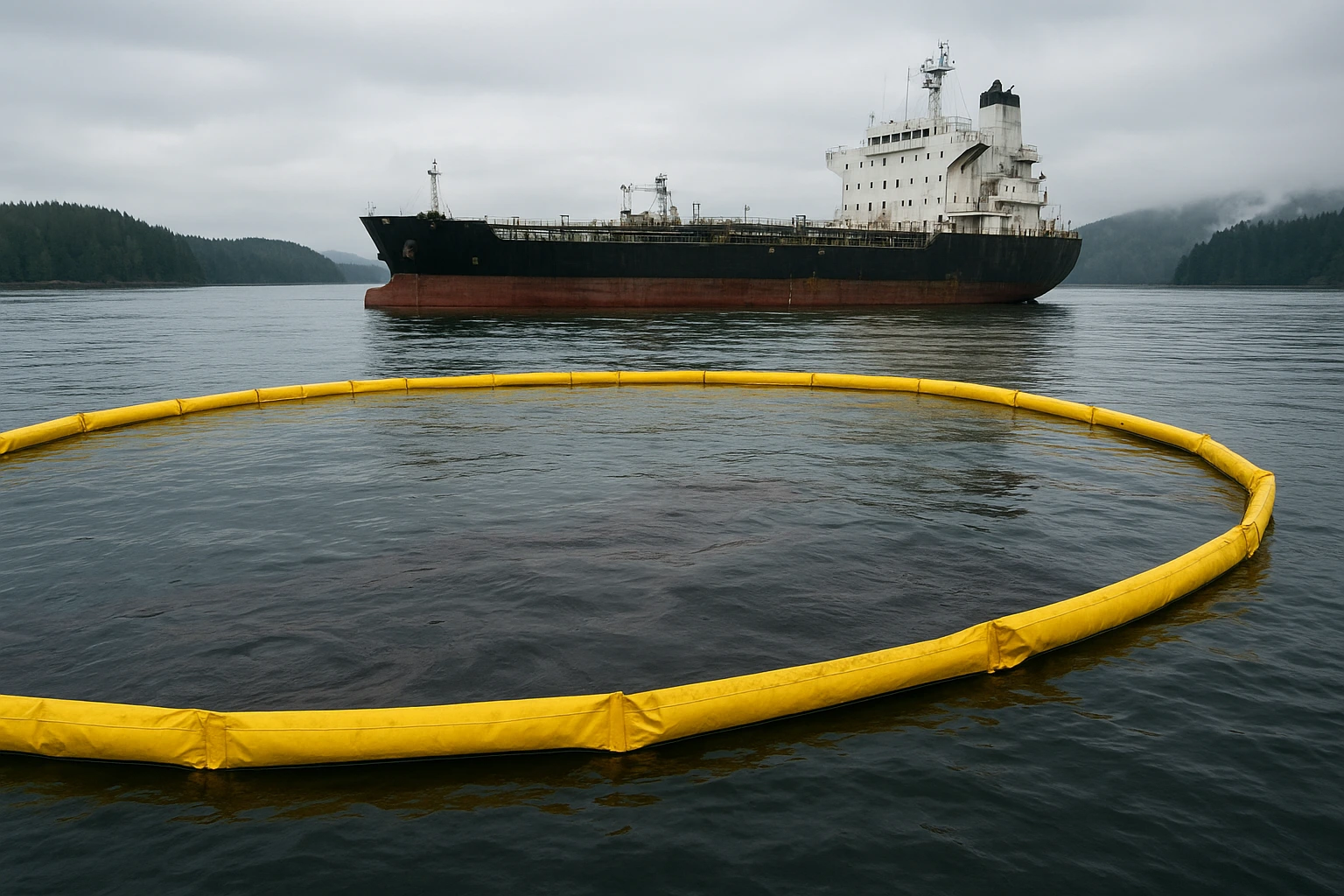
Canada is weighing approval of a new oil pipeline that would transport bitumen from Alberta to the British Columbia coast, sparking renewed concerns among First Nations about potential environmental damage.
The proposal comes nearly a decade after a major diesel spill near the entrance to Seaforth Channel, which devastated local communities and highlighted the dangers of oil transport in the region.
In 2016, a tug grounding released 110,000 litres of diesel near the Heiltsuk Nation’s traditional harvesting sites, causing immediate economic loss and long term damage to clam gardens cultivated for centuries.
“People were devastated,” said Marilynn Slett, chief councillor of the Heiltsuk Nation. “The spill contaminated our primary harvesting sites, causing losses that are still ongoing today.”
Prime Minister Mark Carney has proposed a pipeline capable of moving at least one million barrels a day to Asian markets. As part of the project, the government is considering lifting a tanker moratorium that has protected British Columbia’s northern coast for more than fifty years.
The ban, formalized into law in 2019, reflects the challenges of shipping oil through regions prone to severe storms, rugged shorelines, and fragile marine ecosystems.
Canada is the world’s fourth largest oil producer, with reserves outpacing most Opec members, yet the country is experiencing accelerated warming.
Coastal communities and indigenous populations are particularly vulnerable to environmental changes and industrial risks. Environmental experts caution that oil tanker traffic in northern British Columbia could be perilous.
Rick Steiner, a marine ecologist who responded to the Exxon Valdez disaster, said, “It is spectacularly dangerous to conceive of putting a pipeline to northern BC and hauling that oil across the Gulf of Alaska.
The region’s weather and sea conditions make a spill almost inevitable.” John Vaillant, author and researcher of the region’s maritime climate, described the Hecate Strait as “a malevolent weather factory,” where winter storms generate extreme hazards for shipping.
“Any tanker operating there faces conditions that few crews or vessels are prepared to withstand,” Vaillant said. The proposed pipeline would significantly increase oil exports from Alberta, a province currently responsible for roughly 17 percent of Canada’s crude oil production.
Previous incidents highlight the potential environmental risk the 2016 Seaforth Channel spill required extensive cleanup, yet long term ecological impacts continue to affect fisheries, shellfish beds, and local livelihoods.
First Nations leaders along the central coast have expressed unanimous opposition. Chiefs representing more than 600 communities voted for Ottawa to uphold the oil tanker ban.
“This project would never happen without risking our communities and ecosystems,” said a spokesperson for the coalition of coastal First Nations.
Green Party leader Elizabeth May emphasized the physical dangers “There is no chance on God’s green Earth that an oil tanker will ever move through the inner waters between Haida Gwaii and the north coast of British Columbia.
Governments cannot ignore science or pretend that an oil tanker would not break apart under these conditions.” Local fishermen and residents in Bella Bella also voiced concerns, citing past experiences.
“After the diesel spill, our fisheries were devastated. Many families lost income and food sources,” said a fisherman from the Heiltsuk Nation. “We cannot allow that to happen again.”
The federal government faces a complex balancing act between economic growth, energy export demands, and environmental protection.
Carney’s administration is considering legislative changes to accelerate project approvals while addressing climate policy obligations.
However, opposition from First Nations, environmental groups, and some political leaders suggests that implementation could face significant delays.
As discussions continue, environmental monitoring, emergency preparedness, and community engagement will likely become central points of negotiation.
Experts warn that even with modern safety protocols, the region’s natural conditions present a persistent risk for oil spills.
Canada’s potential approval of a new oil pipeline highlights tensions between economic priorities and environmental stewardship.
Coastal First Nations, environmental experts, and local communities remain concerned about the dangers of tanker traffic along the northern British Columbia coast.
The government must navigate these competing interests while addressing climate risks, economic pressures, and indigenous rights, with the outcome uncertain.


